Hey there! As a supplier of Fiber Optic LC Pigtails, I often get asked about their water resistance. So, I thought I'd dive deep into this topic and share everything you need to know.
First off, let's understand what Fiber Optic LC Pigtails are. These little guys are short lengths of fiber optic cable with an LC connector pre - installed at one end. They're super handy for connecting fiber optic equipment, like routers, switches, and servers. You can check out our Fiber Optic Lc Pigtails on our website for more details.
Now, onto the main question: what's the water resistance of Fiber Optic LC Pigtails? Well, it depends on a few factors.
Construction and Materials
The construction and materials used in making Fiber Optic LC Pigtails play a huge role in their water resistance.
Cable Jacket
The outer layer of the fiber optic cable, known as the cable jacket, is the first line of defense against water. Most of the time, we use materials like PVC (Polyvinyl Chloride) or LSZH (Low - Smoke Zero - Halogen) for the cable jacket. PVC is a common choice because it's cheap and offers decent protection. But it might not be the best in extremely wet conditions.
On the other hand, LSZH is a great option when water resistance is a priority. It doesn't release toxic fumes when burned, and it has better water - blocking properties. When water tries to seep into the cable, the LSZH jacket acts as a barrier, preventing it from reaching the delicate fiber inside.
Buffer Layer
Inside the cable jacket, there's a buffer layer. This layer further protects the fiber from physical damage and moisture. Some buffer layers are made with materials that have water - absorbing properties. These materials can soak up any water that manages to get past the cable jacket, keeping the fiber dry.
Connector Design
The LC connector itself also needs to be water - resistant. A well - designed LC connector has seals and gaskets that prevent water from entering the connection point. If water gets into the connector, it can cause signal loss and other issues. So, we make sure our connectors are tightly sealed to keep the water out.
Testing for Water Resistance
We don't just assume that our Fiber Optic LC Pigtails are water - resistant. We put them through a series of tests to make sure they can withstand wet conditions.
Immersion Test
One of the most common tests is the immersion test. We take a sample of the pigtails and immerse them in water for a certain period. Then, we check for any signs of water penetration. We also measure the optical performance of the pigtails before and after the test. If there's a significant drop in signal strength, it means the water has affected the fiber.

Humidity Test
Another test is the humidity test. We place the pigtails in a chamber with high humidity levels for an extended period. This simulates real - world conditions where the pigtails might be exposed to high humidity. Just like in the immersion test, we monitor the optical performance to see if the humidity has any impact.
Applications and Water Resistance Requirements
The water resistance requirements of Fiber Optic LC Pigtails vary depending on their applications.
Indoor Applications
For indoor applications, the water resistance requirements are usually not as strict. In an office or a data center, the chances of the pigtails being exposed to water are relatively low. However, there might still be some areas where there's a risk of water, like near a water cooler or in a basement. In these cases, we recommend using pigtails with at least a basic level of water resistance. Our Lc Simplex Fiber Patch Cord is a great option for indoor use.
Outdoor Applications
Outdoor applications are a different story. Pigtails used outdoors are exposed to all kinds of weather conditions, including rain, snow, and humidity. For these applications, we need pigtails with high - level water resistance. They should be able to withstand long - term exposure to water without any loss in performance. If you're looking for pigtails for outdoor use, make sure to choose ones that have been specifically designed and tested for these conditions.
Comparing with Other Types of Pigtails
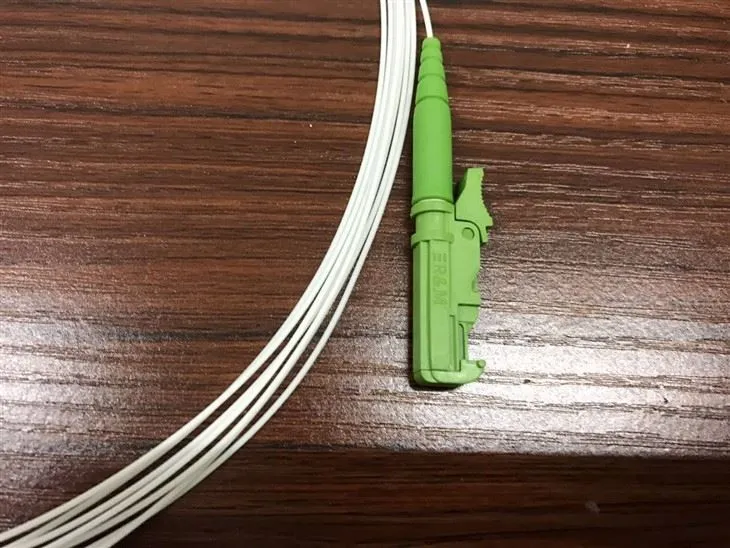
It's also interesting to compare the water resistance of Fiber Optic LC Pigtails with other types of pigtails, like Fiber Optic E2000 Pigtail.
The E2000 pigtail is another popular type of fiber optic pigtail. It has a different connector design, which can affect its water resistance. The E2000 connector is larger and has a more robust locking mechanism. In some cases, this can make it more water - resistant than the LC connector. However, the overall water resistance still depends on the cable jacket and buffer layer, just like with the LC pigtails.
Maintenance and Care
Even if you have water - resistant Fiber Optic LC Pigtails, proper maintenance and care are still important.
Cleaning
Regular cleaning is essential to keep the pigtails in good condition. Dirt and debris can accumulate on the connectors and cable jacket, which can reduce the water resistance. We recommend using a clean, dry cloth to wipe the connectors and the cable. If there's any stubborn dirt, you can use a special fiber optic cleaning solution.
Storage
When not in use, it's important to store the pigtails properly. Keep them in a dry place, away from any sources of water. If possible, store them in a sealed container to protect them from humidity.
Conclusion
So, to sum it up, the water resistance of Fiber Optic LC Pigtails depends on their construction, materials, and how they're tested. We, as a supplier, make sure to use high - quality materials and rigorous testing procedures to ensure that our pigtails can withstand wet conditions.
Whether you're using them indoors or outdoors, it's important to choose the right pigtails for your needs. If you have any questions about the water resistance of our products or need help choosing the right pigtails, don't hesitate to reach out. We're here to help you make the best decision for your fiber optic needs.
If you're interested in purchasing Fiber Optic LC Pigtails or have any procurement - related questions, feel free to contact us. We're always ready to have a chat and discuss your requirements.
References
- Fiber Optic Association Handbook
- Industry Standards for Fiber Optic Cables and Connectors