Hey there! As a supplier of Fiber Optic FC Connectors, I've seen my fair share of issues that customers run into. These connectors are super important in the world of fiber optics, but they're not without their problems. So, let's dig into what the common problems with Fiber Optic FC Connectors are.
1. Physical Damage
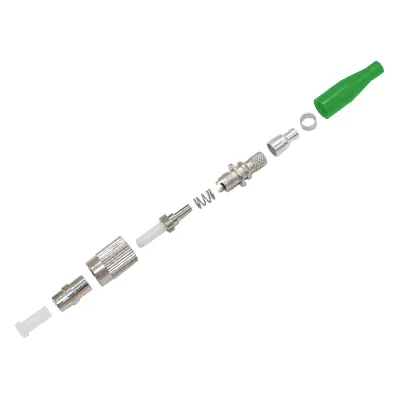
One of the most obvious problems is physical damage. FC connectors are like other connectors in that they can get banged up pretty easily. Dropping an FC connector, for example, can cause the ceramic ferrule inside to crack. You know, the ferrule is that little piece that holds the fiber optic cable in place. If it's cracked, light can't travel through the fiber properly, and that means signal loss.
Another way physical damage can happen is from improper handling during installation. If someone is in a hurry and forces the connector into a port, they can bend or break the pins. And once those pins are damaged, it's a real pain to fix. You might have to replace the entire connector, which can be costly.
2. Contamination
Contamination is a huge issue with FC connectors. Dust, dirt, and even oils from your fingers can get on the end face of the connector. When this happens, it can block the light from passing through the fiber. The light signal either gets weakened or distorted, and that messes up the data transmission.
Imagine having a high - speed internet connection that keeps dropping because of a little bit of dust on your FC connector. It's a frustrating situation for both customers and installers. We often recommend using connector cleaners to keep the end faces clean. But even with cleaners, it's easy for contamination to happen if the connector is exposed for too long in a dirty environment.
If you're looking for other types of connectors, you might be interested in Fiber Optic Fast Connector Sc. It's another popular option in the fiber optic world.
3. Poor Alignment
Proper alignment is crucial for FC connectors to work well. The fibers in the connectors need to be lined up perfectly so that the light can travel smoothly from one fiber to the other. But achieving this alignment isn't always easy.
During the installation process, even a tiny misalignment can cause significant signal loss. There are different factors that can lead to poor alignment. For instance, the connector housing might not be snugly fit, or the clamping mechanism might not be tight enough. Over time, due to vibrations or temperature changes, the alignment can also shift. This is why it's important to have a good quality installation process and keep an eye on the connectors over time.
4. Insertion Loss
Insertion loss is a measure of how much the signal weakens when it goes through the connector. It's a common problem with FC connectors. There are several reasons for insertion loss. As I mentioned before, physical damage, contamination, and poor alignment can all contribute to it.
But there are also other factors. The quality of the materials used in the connector can play a role. Cheaper connectors might have lower - grade ferrules, which can cause more scattering of the light signal. Also, the way the fibers are polished can affect insertion loss. If the polish isn't smooth enough, the light will bounce around inside the connector, leading to a loss of signal strength.
5. Return Loss
Return loss is another problem to watch out for. It occurs when some of the light signal reflects back towards the source instead of passing through the connector. This reflected light can interfere with the original signal and cause all sorts of issues, like data corruption.
A rough or dirty end face on the connector can cause light to reflect back. Also, misaligned fibers can lead to return loss. If the fibers aren't properly matched in terms of their refractive index, some of the light will be reflected. Return loss is a bit more tricky to measure and fix compared to insertion loss, but it's essential to keep it under control for a reliable fiber optic system.
If you're interested in different connector types, check out Conector Ftth Fiber Optic Sc Fast Connector and Fiber Optic Sc Connector. These are great alternatives to the FC connectors, depending on your specific needs.
How to Address These Problems
Now that we've talked about the common problems, let's discuss how to deal with them. First of all, proper handling and installation are key. Train your installers to be careful when handling FC connectors. Make sure they use the right tools and follow the installation instructions carefully.
Regular cleaning is also crucial. Use high - quality connector cleaners and cleaning procedures to keep the end faces of the connectors clean. And when it comes to alignment, invest in good quality alignment tools. You might also want to consider using testing equipment to measure insertion and return loss during and after installation.
As a supplier, I'm always here to help. If you're facing issues with your FC connectors or are thinking about your next fiber optic project, don't hesitate to reach out. We can offer you advice on choosing the right connectors, proper installation methods, and how to maintain them. Whether you need a small number of connectors for a home network or a large quantity for a business installation, we've got you covered. We can also discuss the details of your order, such as pricing and delivery options. If you're interested in purchasing Fiber Optic FC Connectors or any of our other products, just get in touch, and we'll start the conversation about your specific needs.
References
- Fiber Optics Installation Handbook.
- Industry reports on fiber optic connector performance.