


Fiber Optic Pigtail
Evolux Fiber: Your Professional Fiber Optic Pigtail Manufacturer!
Shenzhen Evolux Fiber Co., Ltd is a leading provider of cutting-edge optical fiber solutions, specializing in the research, development, manufacturing, and distribution of high-quality fiber optic products. Established in 2013 year, and headquartered in Shen Zhen, China, we have emerged as a trusted name in the field of fiber optics. With a strong focus on innovation and reliability, we strive to meet the evolving demands of the global telecommunications industry.

Our Advantages
Diverse Product Portfolio
We provide a comprehensive range of optical fiber products, from single-mode and multi-mode optical fibers to specialty optical fibers for specific applications, including optical fiber cables, connectors, transceivers, adapters, and related accessories to meet the diverse needs of our customers.
Excellent Customer Support
We have assembled a team of experts who are ready to support our customers. They assist customers in selecting the right fiber optic solution and guide the implementation process, allowing customers to enjoy comprehensive pre-sales consultation to post-sales support and technical assistance.
Advanced R&D Facilities
State-of-the-art R&D facilities, equipment, and specialized laboratories provide an ideal environment for conducting cutting-edge research, experimentation, and testing of fiber optic materials, design, and manufacturing processes.
Professional Customization Services
We offer customization options that allow customers to tailor fiber optic products to their specific needs. Fiber diameter, coating material, or connector type can all be customized flexibly.


Product Categories
Latest Products
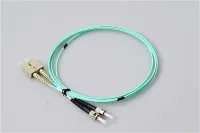
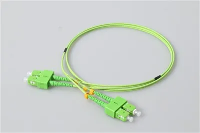
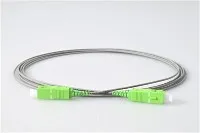
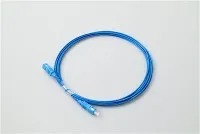


Fiber Optic Pigtail Manufacturer
for Telecom, FTTH and Data Center Projects
Source splice-ready fiber optic pigtails directly from EVOLUX Fiber.
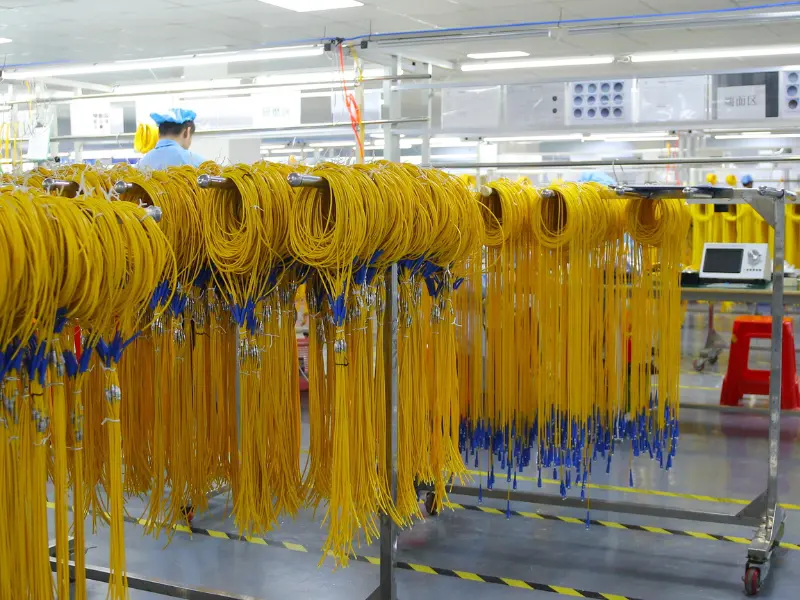
We manufacture and supply single-mode and multimode fiber optic pigtails with LC, SC, FC, ST, E2000 and other connector options. Standard and customized configurations are available for fiber distribution frames, patch panels, terminal boxes, FTTH networks, telecom infrastructure and data center cabling systems.
Choose the connector, polish type, fiber mode, cable diameter, length, fiber count, jacket material and packaging required for your project.
marketing.
01
Direct Manufacturer
Standard and customized fiber optic pigtails supplied for global B2B customers.
02
Single Mode & Multimode
OS1, OS2 and multimode fiber options for telecom, FTTH, LAN and data center applications.
03
Multiple Connector Options
LC, SC, FC, ST, E2000 and other connector configurations available.
04
Custom Specifications
Select fiber type, polish, cable diameter, length, fiber count, color coding and packaging.
Customize Your Fiber Optic Pigtail
EVOLUX Fiber provides flexible fiber optic pigtail customization for telecom operators, distributors, system integrators, contractors, equipment manufacturers and OEM buyers. Configure the product according to your network, installation and branding requirements.
Connector and Polish Type
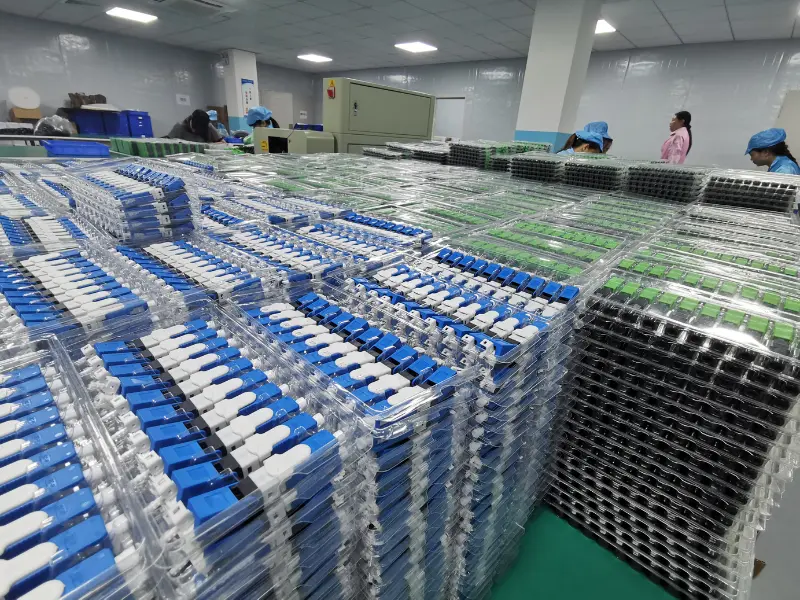
Choose from LC, SC, FC, ST, E2000, MU, MT-RJ and other connector types upon request.
Available polish options include:
UPC/APC/PC, subject to connector type and application
Fiber Type and Performance
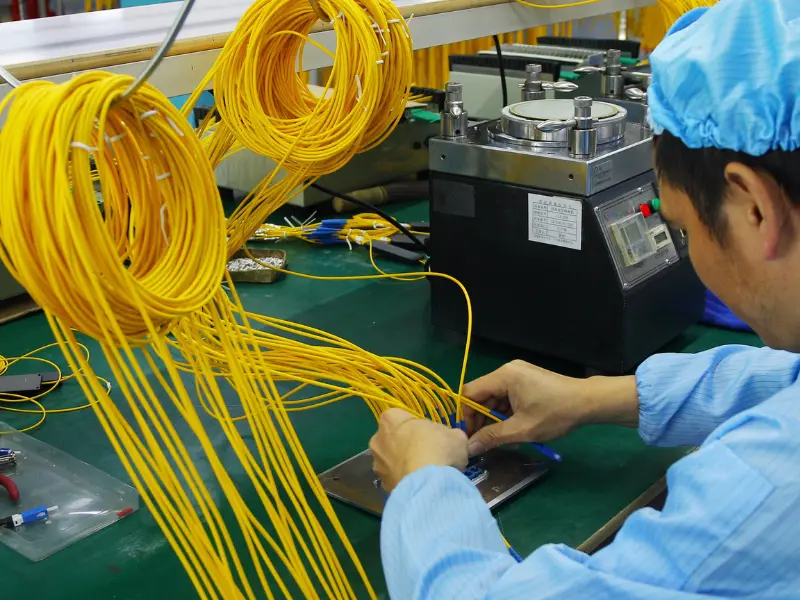
Single-mode and multimode options are available for different transmission distances and network applications.
Available options include:
- OS1 and OS2
- OM1, OM2, OM3, OM4 and OM5
- G.652D, G.657A1 and G.657A2
Other fiber specifications upon request
Cable Structure and Length
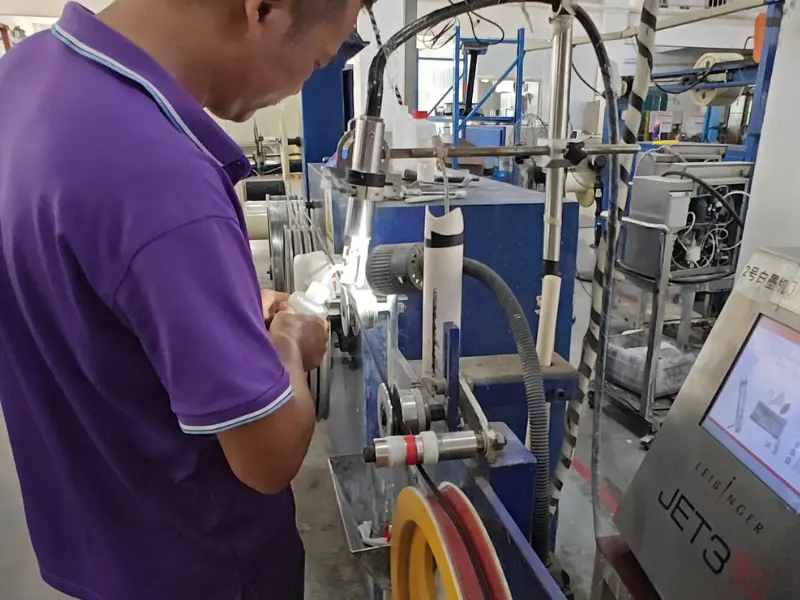
Select the appropriate cable diameter, material and length according to your installation environment.
Available options include:
- 0.9 mm, 2.0 mm and 3.0 mm
- PVC, LSZH and PE materials
- Standard lengths from 0.5 m to 3 m
Customized cable structures and lengths
Fiber Count and Color Coding
Fiber optic pigtails can be supplied individually or as multi-fiber sets.
Available configurations include:
- 1, 2, 4, 6, 8, 12, 24 and 48 fibers
- Standard 12-color sequence
- TIA-598 or IEC color coding
Customer-specified colors, numbers and labels
Labels, Packaging and OEM Service
Customize products for project management, distribution or private-label sales.
Available services include:
- Product and project labels
- Barcode or QR code
- Individual, set or bulk packaging
- Neutral packaging
- Customer logo and private-label packaging
- Customized carton marks and product information

Testing and Documentation
Inspection and documentation can be arranged according to your order requirements.
Available documents may include:
- Product data sheet
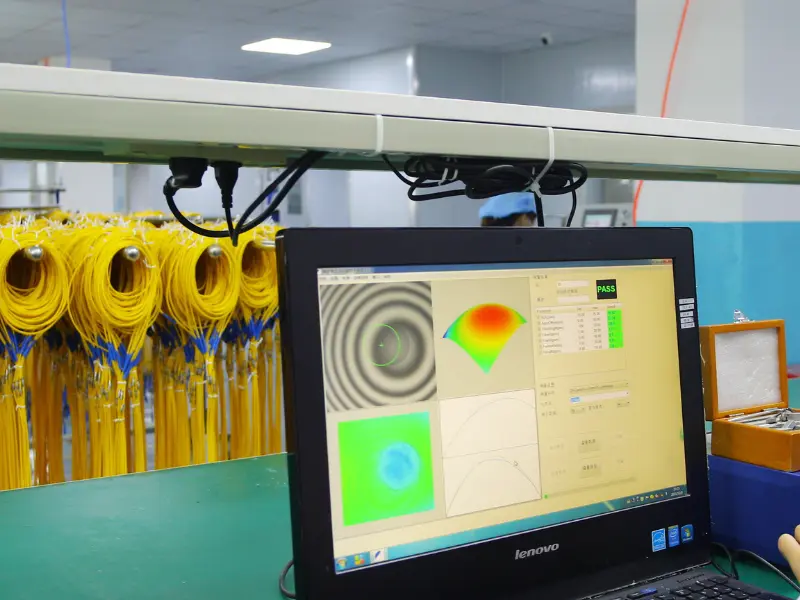
- Batch or individual test records
- Insertion loss and return loss reports
- Packing list
- Certificate of conformity
- Customized documentation formats
Fiber Optic Pigtail Production Process
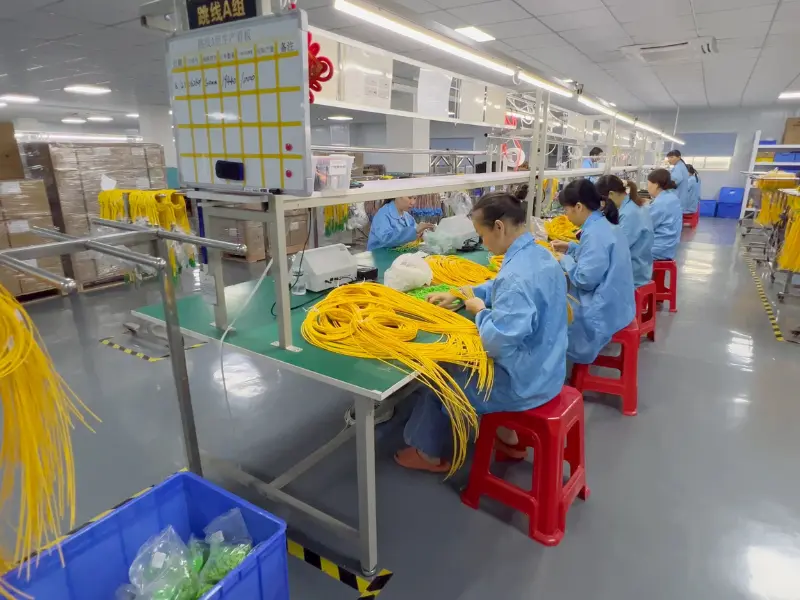
A reliable fiber optic pigtail depends on precise fiber preparation, connector assembly, polishing, testing and final inspection. EVOLUX Fiber follows a structured production process to help maintain product consistency and meet the confirmed technical requirements of each order.
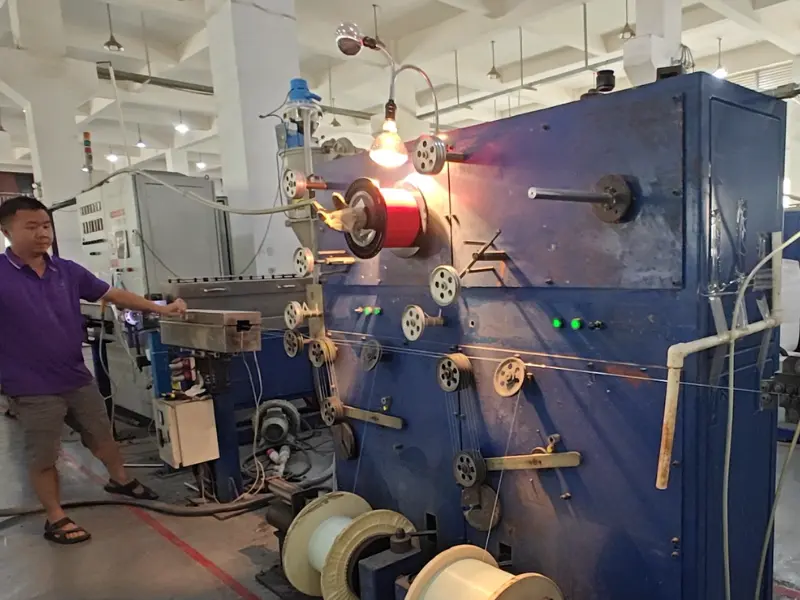
Material Preparation and Inspection
Before production, the fiber, connectors, ferrules, boots, jackets and other components are checked against the approved product specification.
Inspection items may include:
- Connector model
- Fiber type and grade
- Cable or buffer diameter
- Jacket material
- Product color
- Component appearance
- Order quantity
This step helps prevent incorrect materials from entering the production process.
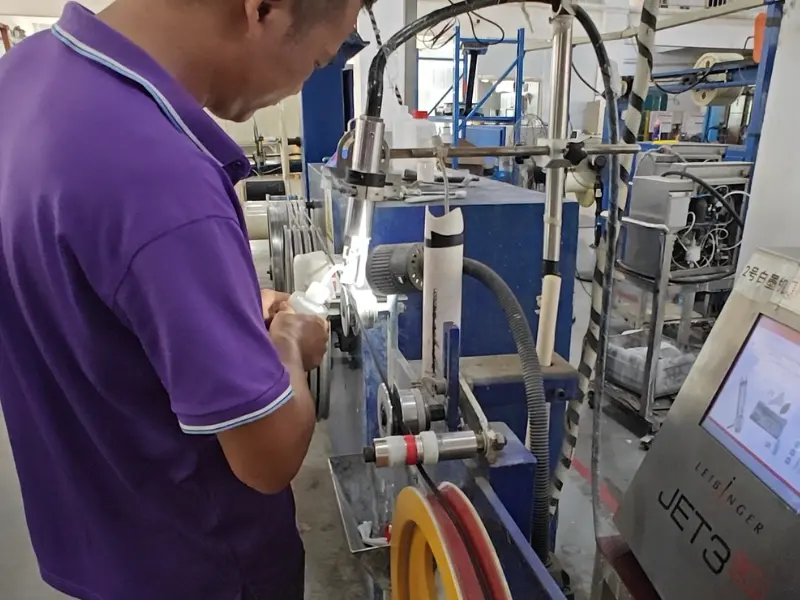
Fiber Cutting, Stripping and Cleaning
The optical fiber is cut to the required length and prepared for connector assembly.
The process includes:
- Measuring and cutting the fiber
- Removing the outer jacket or buffer
- Stripping the fiber coating
- Cleaning the bare fiber
- Inspecting the prepared fiber
- Careful fiber preparation helps reduce contamination and physical damage before termination.
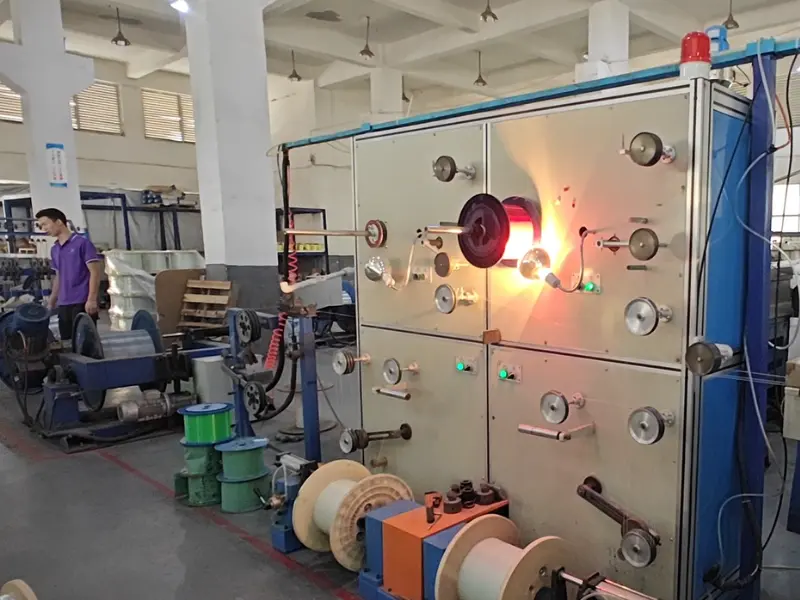
Connector Assembly and Curing
The prepared fiber is inserted into the connector ferrule and fixed according to the required termination process.
This stage may include:
- Adhesive preparation
- Fiber insertion
- Connector positioning
- Ferrule assembly
- Temperature-controlled curing
- Boot and housing assembly
Correct positioning and curing are important for maintaining mechanical stability and optical performance.
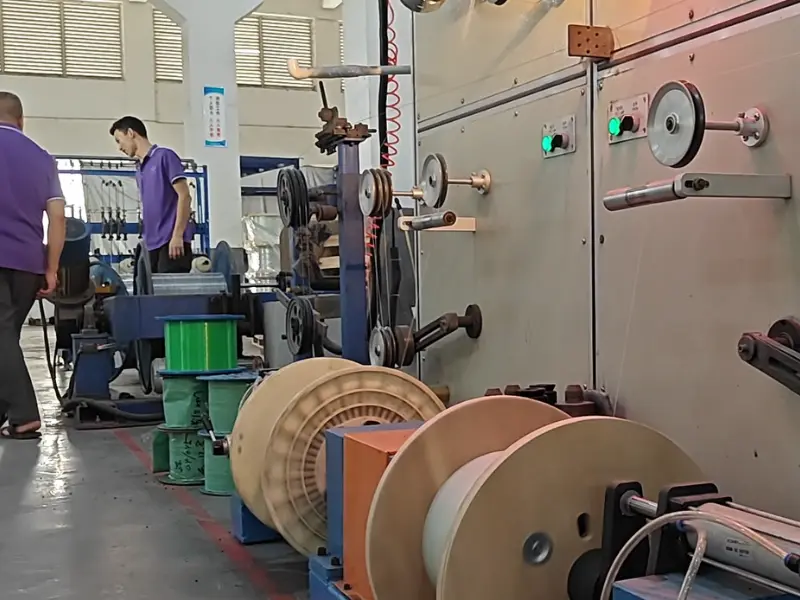
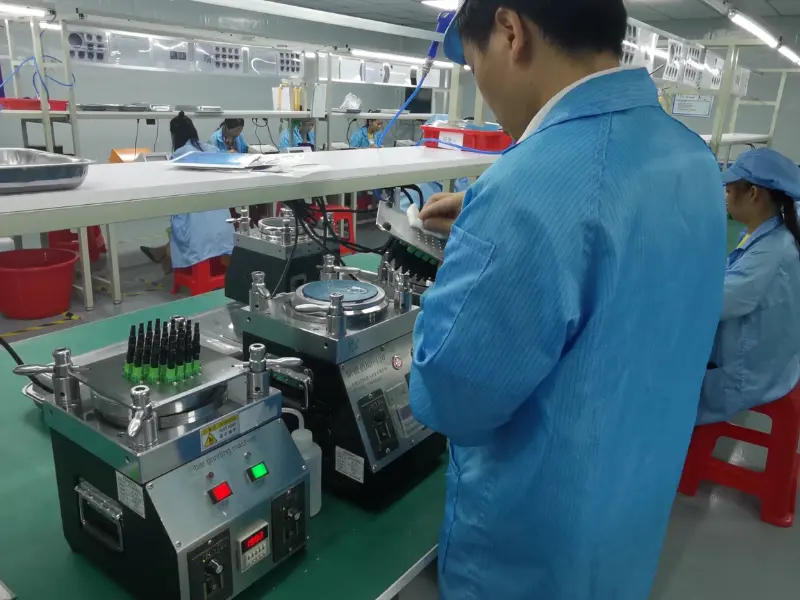
Precision Ferrule Polishing
After curing, the connector ferrule is polished to create the required end-face geometry.
The polishing process is selected according to the connector type and polish requirement, including UPC or APC configurations.
The process may involve:
- Excess-fiber removal
- Coarse polishing
- Fine polishing
- Final finishing
- End-face cleaning
Controlled polishing helps reduce scratches, defects and excessive optical loss.
Optical Testing and End-Face Inspection
Finished connectors are inspected and tested according to the agreed product specification and quality requirements.
Inspection items may include:
- Connector end-face inspection
- Insertion loss testing
- Return loss testing
- Continuity testing
- Polarity verification
- Fiber color-sequence confirmation
- Product-length verification
Individual or batch test records can be discussed according to the order requirements.
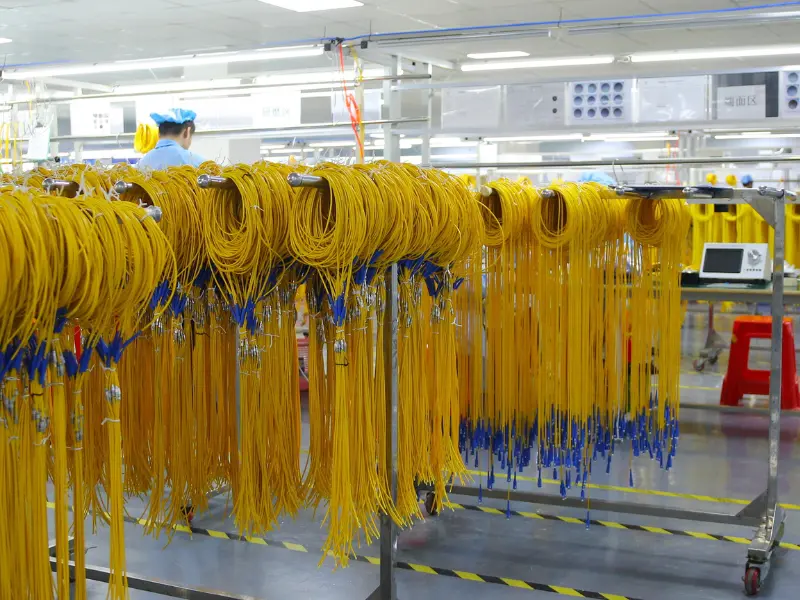
Final Inspection, Labeling and Packaging
Before shipment, the completed fiber optic pigtails are checked against the confirmed order details.
Final inspection may cover:
- Connector type
- Polish type
- Fiber mode
- Product length
- Fiber count
- Color coding
- Label information
- Product appearance
- Packaging quantity
Products are then fitted with protective dust caps, labeled and packed according to the agreed packaging method.
A fiber pigtail usually has an optical connector pre-installed at one end and where the other end bare fiber is used for fusion splicing to another fiber. Pigtails can have female or male connectors. Fiber optic pigtails are usually unjacketed in order to be spliced and then protected in a fiber splice tray with a mechanical or thermal splice joint protector.
Classification of Fiber Optic Pigtails
By Fiber Type
Fiber optic pigtails are divided into two main types: single-mode (colored yellow) and multimode (colored orange) fiber. Multimode fiber optic pigtails use bulk multimode fiber cables with either 62.5/125 micron or 50/125-micron specifications, terminated with multimode fiber optic connectors at one end. Additionally, 10G multimode fiber cables (OM3 or OM4) are available in fiber optic pigtails, usually distinguished by an aqua jacket color. On the other hand, single-mode fiber pigtail cables utilize 9/125 micron single-mode fiber cables and are terminated with single-mode fiber connectors at one end.
A variety of fiber optic pigtails are available. each terminated with a different connector. Commonly used pigtail cable connectors encompass a range of options, such as LC fiber pigtail, SC fiber pigtail, ST fiber pigtail, FC fiber pigtail, MT-RJ fiber pigtail, E2000 fiber pigtail, and others. Each connector has advantages and is suitable for different applications and systems. Let's take a closer look at some of the commonly used ones:
● SC Fiber Optic Pigtail: The SC pigtail cable connector features a non-optical disconnect design with a 2.5mm pre-radiused zirconia or stainless alloy ferrule. SC fiber pigtail is known for its cost-effectiveness and widespread use in CATV, LAN, WAN, test, and measurement applications.
● FC Fiber Optic Pigtail: The FC fiber pigtail utilizes the metallic body of FC optical connectors and has a screw-type structure with high-precision ceramic ferrules. FC fiber optic pigtails and related products find wide application in general fiber optic connections.
● ST Fiber Optic Pigtail: The ST pigtail connector is particularly popular for multimode fiber optic LAN applications. It has an extended 2.5mm diameter ferrule made of ceramic (zirconia), stainless alloy, or plastic. ST fiber pigtails are commonly utilized in telecommunications, industry, medical, and sensor applications.

By Application Environment

There are specialized pigtail cables, known as armored fiber pigtails and waterproof fiber pigtails, designed to withstand harsh and extreme environments.
● Armored Pigtail: Armored fiber optic pigtails are constructed with a stainless steel tube or other strong steel material inside the outer jacket. This design provides extra protection for the fiber and enhances the overall network reliability. It also helps prevent damage caused by rodents, construction work, or the weight of other cables.
● Waterproof Pigtail: Waterproof fiber pigtail is designed with a stainless steel strengthened waterproof unit and an armored outdoor PE (Poly Ethylene) jacket. This pigtail type is well-suited for harsh environments such as communication towers, CATV installations, and military applications. The waterproof pigtail cable offers excellent toughness, tensile strength, and reliable performance, making it ideal for outdoor connections.
Fiber optic pigtails come in various strand fiber counts, such as 1, 2, 4, 6, 8, 12, 24, and 48 strands. The design of the pigtail depends on the fiber count.
● Simplex Fiber Optic Pigtail: This type contains one fiber and a single connector on one end.
● Duplex Fiber Optic Pigtail: A duplex pigtail features two fibers and two connectors on one end, with each fiber usually marked as "A" or "B," or using different colored connector boots to indicate polarity.
Similarly, pigtails with 4, 6, 8, 12, 24, 48, and even more than 48 fibers have their respective features, accommodating the specific needs of various applications and systems.
Note: Fiber pigtails have either female connectors (used in patch panels for easy connections) or male connectors (directly plugged into optical transceivers for signal transmission).

Advantages of Fiber Optic Pigtails
Ease of Installation
Fiber optic pigtails come with pre-terminated connectors, making them easy to install and reducing the need for on-site termination. This simplifies the installation process and saves time.
Consistent and High-Quality Terminations
Pigtails are factory terminated, ensuring consistent and high-quality terminations. This minimizes the risk of human error during field terminations, resulting in better overall performance.
Compatibility
Pigtails can be terminated with various connector types, such as SC, LC, ST, or others, ensuring compatibility with different equipment and systems. This adaptability is valuable in diverse networking environments.
Reduced Signal Loss
The factory terminations and precision in connector alignment help minimize signal loss and ensure efficient light transmission. This is crucial for maintaining the performance and integrity of the fiber optic network.
Application of Fiber Optic Pigtail
Terminating Fiber Optic Cables
Fiber optic pigtails are commonly used to terminate fiber optic cables, which are used to transmit optical signals over long distances. The pigtails are connected to the fiber optic cable and then spliced or terminated with an optical connector to another component in the system, such as a patch panel or optical transceiver.


Building Fiber Optic Networks
Fiber optic pigtails are widely used in building fiber optic networks, where they are used to connect various components, such as optical transceivers, optical amplifiers, and optical splitters. They provide a reliable and efficient connection between these components, ensuring the proper transfer of optical signals within the network.
Data Centers
Fiber optic pigtails are also used in data centers to connect optical transceivers and patch panels. This enables data centers to handle large amounts of data traffic efficiently and with minimal signal loss, ensuring high-speed and reliable data transfer.


Testing and Maintenance
Fiber optic pigtails are also used in testing and maintenance of fiber optic systems. They provide a convenient way to test optical signals without disrupting the main fiber optic cable, making it easier to identify and resolve issues.
Fiber optic pigtails require proper installation and termination to ensure optimal performance. Let's explore the step-by-step process for both installation and termination, along with some maintenance tips.
Installation Process
Begin by preparing the fiber optic cable, ensuring it is clean and free from any damage or kinks. Strip the outer jacket of the cable using a fiber stripper, exposing the fiber strands. Clean the exposed fibers using lint-free wipes and isopropyl alcohol to remove any dirt or contaminants. Prepare the pigtail by stripping its protective coating, leaving a small length of bare fiber. Align the stripped ends of the cable and pigtail, ensuring they are properly aligned for fusion splicing or mechanical connectors. Use fusion splicing or mechanical connectors to join the fibers together securely. Protect the splice or connection point with heat shrink tubing or connector boots. Test the installed pigtail using an optical power meter to verify signal strength. Common applications and industries that utilize fiber optic pigtails include telecommunications, data centers, medical facilities, and industrial automation. They are essential in connecting various devices such as switches, routers, transceivers, and patch panels.
Termination Process
Start by preparing the fiber optic cable in a similar manner as mentioned in the installation process. Strip the outer jacket of the cable to expose the fibers. Clean both ends of the cable using lint-free wipes and isopropyl alcohol to remove any contaminants. Prepare the connector by removing its protective cap and cleaning it as well. Insert each fiber into its corresponding slot in the connector ferrule. Securely attach the connector body to provide strain relief for the terminated fibers. Inspect and clean any excess adhesive or debris around the connector area. Test each terminated pigtail using an optical power meter to ensure proper signal transmission. To maintain optimal performance of fiber optic pigtails, regular inspection and cleaning are necessary. Avoid bending or twisting them excessively, as this can cause signal loss or breakage. Additionally, keep them protected from dust and moisture.
Factors to Consider Before Choosing a Fiber Optic Pigtail
Fiber Type
The first thing you need to consider when choosing fiber optic cable is the type of fiber. There are two main types of fiber: single-mode and multimode. Single-mode fiber is designed for long-distance transmission, while multimode fiber is better suited for shorter distances. If you're transmitting data over long distances, you'll want to use single-mode fiber. If you're transmitting data over shorter distances, multimode fiber will suffice.
Core Size
The core size of a fiber optic cable refers to the diameter of the glass or plastic core that carries the light signal. The core size affects both the bandwidth and distance capabilities of the cable. Generally speaking, larger core sizes are better for shorter distances and lower bandwidths, while smaller core sizes are better for longer distances and higher bandwidths.
Jacket Material
The jacket material of a fiber optic cable is important, as it protects the fiber from damage and environmental factors. There are several different jacket materials to choose from, including PVC, LSZH, and Plenum. PVC is the most common jacket material and is suitable for most applications. LSZH (Low Smoke Zero Halogen) jackets are used in environments where smoke and toxic fumes could be a hazard, such as in aircraft or submarines. Plenum jackets are used in air handling spaces, such as in office buildings.
Connector Type
The connector type is another important factor to consider when choosing fiber optic cable. There are several different connector types available, including SC, FC, ST, and LC. The connector type you choose will depend on the equipment you're connecting to and the distance between them.
Installation Environment
Finally, you'll want to consider the installation environment when choosing fiber optic cable. Different environments require different types of cable. For example, if you're installing cable in a harsh outdoor environment, you'll want to choose cable that is designed for outdoor use and can withstand exposure to the elements. If you're installing cable in a data center, you'll want to choose cable that is easy to install and manage.
Using Tips for Fiber Optic Pigtail
Keep Cable Connectors Clean And Dry
Before using fiber optic cables, clean the connectors on the cable and on the cables or ports the cable is connected to. Connectors can easily be contaminated by dust, oils from hands, film residue condensed from air vapors, and coatings left after water and solvents evaporate. Moisture can also corrode cable terminations, so store cables in dry areas.
Leave Dust Caps On Until Ready To Connect
Dust caps keep contaminants and moisture away from the connector and protect it from damage. After removing a dust cap, inspect and clean the ferrule before connecting to another cable or device. Only use cleaning products intended for fiber optic connectors.
Take It Easy
Fiber cables are extremely durable consisting of cladding, coatings, and jackets that protect the delicate glass strands and provide strength. Still, if mishandled,the glass strands can fracture which affects signal transmission.
Test For Failure Points
Exceeding the bend radius or crush resistance ratings of the cable can affect performance, so use a visual fault locator (VFL) to find any failure points or a power meter to determine if there is signal loss.
Avoid Tangled Cables
Coil fiber optic cables and secure connectors with hook and loop type fasteners. Since compressed cables could cause signal loss, avoid using plastic zip ties. When zip ties are the only solution, cinch the zip ties loosely.
Ultimate FAQ Guide to Fiber Optic Pigtail
Q: What are Fibre pigtails used for?
Q: What is the difference between a pigtail and a patch cord?
Q: What is Fiber Optic Pigtail?
Q: How to test connectors?
Q: What size is a fiber pigtail?
Q: What are the types of fiber pigtails?
Q: Where are fiber pigtails used?
Q: What is the difference between a fiber cable and a patch cord?
Q: What types of fiber optic pigtail are available?
Q: What is the wavelength for a fiber optic pigtail?
Q: What is the maximum distance a fiber optic pigtail can transmit signals?
Q: How does a fiber pigtail work?
Q: What is the most common pigtail connector widely used?
Q: Where do we use pigtail joints?
Q: How do you splice pigtails?
Q: What is a single mode pigtail?
Q: How to replace a pigtail connector?
Q: What are the advantages of pre-terminated fiber optic pigtails?
Q: What is the maximum pulling tension for fiber optic pigtails?
Q: Are fiber optic pigtails suitable for outdoor applications?
As one of the leading fiber optic pigtail manufacturers and suppliers in China, we warmly welcome you to buy fiber optic pigtail in stock here from our factory. All customized products are with high quality and low price. For pricelist and free sample, contact us now.
optical fiber pigtail for commercial use, optical fiber pigtail with mt rj connector, optical fiber pigtail fcc approved