Hey there! As a supplier of Fiber Optic FC Connectors, I'm super stoked to chat with you about the quality standards of these little wonders. In the world of fiber optics, these connectors play a crucial role, so it's essential to understand what makes a top - notch FC connector.
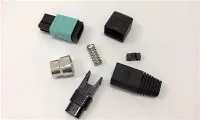
First off, let's talk about the physical construction. The body of a high - quality Fiber Optic FC Connector is usually made from materials that can withstand a fair amount of wear and tear. Aluminum alloy is a popular choice as it's durable and offers good mechanical strength. The connector's housing should be well - designed to protect the fiber inside from dust, moisture, and physical damage. If the housing is flimsy or poorly constructed, it won't do its job of safeguarding the delicate fiber, which can lead to signal degradation.
The ferrule is another critical part of the FC connector. It holds the fiber in place and ensures that the light signal can pass through with minimal loss. A good quality ferrule should be made of a precise and stable material like zirconia. Zirconia ferrules have excellent dimensional stability, which means they keep their shape over time. This is crucial because even the slightest misalignment of the fiber within the ferrule can cause significant signal loss.
When it comes to the end - face finish of the ferrule, it's all about smoothness and precision. The end - face should be polished to a high degree to minimize reflections. Reflections can cause interference in the light signal, reducing the overall performance of the fiber optic link. A well - polished end - face will have a smooth, mirror - like finish. If you take a close look at a top - quality FC connector, you'll notice that the end - face looks clean and free of scratches or pits.
Now, let's touch on the optical performance standards. Insertion loss is one of the most important metrics to consider. Insertion loss refers to the amount of light that is lost when the connector is inserted into the fiber optic system. A good Fiber Optic FC Connector should have low insertion loss, typically less than 0.3 dB. This low insertion loss ensures that the majority of the light signal can pass through the connector without significant attenuation.

Return loss is another key factor. Return loss measures the amount of light that is reflected back towards the source. A high return loss indicates that very little light is being reflected, which is ideal for maintaining a stable and efficient fiber optic link. In general, a quality FC connector should have a return loss of at least 50 dB, although some high - performance connectors can achieve even higher values.
In terms of compatibility, a good FC connector should be compatible with a wide range of fiber optic cables. This includes single - mode and multi - mode fibers. Compatibility ensures that the connector can be used in various applications, whether it's for telecommunications, data centers, or even in industrial settings. For example, if you're setting up a high - speed data center network, you'll want a connector that can work seamlessly with the specific type of fiber optic cable you're using.
Let's not forget about the environmental standards. Fiber optic connectors are often exposed to different environmental conditions. A quality FC connector should be able to perform well in a wide range of temperatures, from extremely cold to very hot. It should also be resistant to humidity, dust, and vibrations. If you're installing fiber optic connectors in an outdoor environment, you need to make sure they can handle the harsh weather conditions without their performance being affected.
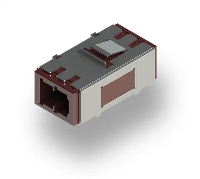
Now, if you're in the market for high - quality Fiber Optic FC Connectors, you might also be interested in other types of fiber optic connectors. For instance, the Fiber Optic Mpo Connector is great for high - density applications where multiple fibers need to be connected at once. It's commonly used in data centers and enterprise networks.
The Fiber Optic E2000 Connector is known for its excellent dust protection and high - performance capabilities. It's often used in applications where reliability is of utmost importance, such as in telecommunications networks.
And then there's the Ftth Sc Optical Fiber Connector, which is specifically designed for fiber - to - the - home (FTTH) installations. It's easy to install and offers good optical performance, making it a popular choice for residential fiber optic networks.
If you're looking for a reliable supplier of Fiber Optic FC Connectors, you're in the right place. We've been in the business for years, and we take pride in offering top - quality products that meet all the necessary standards. Our connectors are carefully tested to ensure that they deliver the best performance.
Whether you need a small quantity for a home project or a large volume for a commercial installation, we can help. We're always happy to answer any questions you might have about our products, their quality standards, or how they can fit into your specific application.
So, if you're interested in purchasing Fiber Optic FC Connectors or any of our other fiber optic products, feel free to reach out. We're here to assist you in every step of the procurement process and make sure you get the best product for your needs.
References:
- Fiber Optics Handbook: A Comprehensive Guide to the Technology and Applications.
- Industry Standards for Fiber Optic Connectors by the Telecommunications Industry Association.