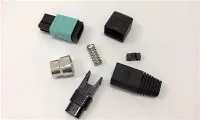
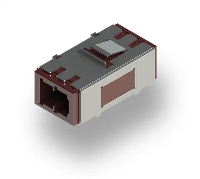
In the intricate world of fiber optic communication, pigtails play a pivotal role in ensuring seamless connectivity. Among the various types, the Fiber Optic E2000 Pigtail stands out for its reliability and high - performance characteristics. As a supplier of Fiber Optic E2000 Pigtails, I often encounter inquiries about the differences between male and female Fiber Optic E2000 Pigtails. This blog aims to shed light on these disparities, providing a comprehensive understanding for both industry professionals and those new to the field.
Understanding Fiber Optic E2000 Pigtails
Before delving into the differences between male and female pigtails, it is essential to have a basic understanding of what a Fiber Optic E2000 Pigtail is. A Fiber Optic E2000 Pigtail consists of a short length of fiber optic cable with a pre - terminated E2000 connector at one end. The E2000 connector is known for its superior dust protection and high - precision alignment, which helps in maintaining low insertion loss and high return loss. This makes it ideal for applications where signal integrity is of utmost importance, such as data centers, telecommunications networks, and high - speed fiber optic links. You can learn more about Fiber Optic E2000 Pigtails on our website: Fiber Optic E2000 Pigtail.
Physical Differences
The most obvious difference between male and female Fiber Optic E2000 Pigtails lies in their physical design. The male E2000 pigtail has a protruding ferrule at the end of the connector. This ferrule is the part that makes the optical connection. It is precisely aligned to ensure that the light signal can pass through with minimal loss. The ferrule is usually made of ceramic or zirconia, which provides high - precision alignment and durability.
On the other hand, the female E2000 pigtail has a receptacle or socket at the end of the connector. This receptacle is designed to accept the male ferrule. It has a precise internal structure that aligns with the male ferrule when they are mated. The female connector also has a dust cap to protect the internal components from dust and debris when not in use.
Connection Mechanism
The connection mechanism between male and female Fiber Optic E2000 Pigtails is another area where differences can be observed. When connecting a male and a female pigtail, the male ferrule is inserted into the female receptacle. The connection is usually made using a latching mechanism. The E2000 connector has a unique latching system that provides a secure and reliable connection. Once the male ferrule is inserted into the female receptacle, the latch engages, holding the two connectors together firmly.
This latching mechanism is designed to prevent accidental disconnection, which is crucial in applications where continuous signal transmission is required. It also ensures that the alignment between the male and female connectors is maintained, reducing the risk of signal loss due to misalignment.
Compatibility
Male and female Fiber Optic E2000 Pigtails are designed to be compatible with each other. However, it is important to note that they are not compatible with other types of fiber optic connectors without the use of an adapter. For example, if you want to connect a Fiber Optic E2000 Pigtail to a Fiber Optic Lc Pigtails or a Fiber Optic Sc Pigtail, you will need to use an appropriate adapter.
The compatibility of male and female E2000 pigtails is based on their standard design. The industry has established standards for the E2000 connector, which ensures that pigtails from different manufacturers can be connected as long as they meet these standards.


Applications
The differences between male and female Fiber Optic E2000 Pigtails also influence their applications. In a typical fiber optic network, male pigtails are often used to connect to active devices such as transceivers, routers, and switches. The protruding ferrule of the male pigtail can be easily inserted into the receptacle of the device, establishing a direct optical connection.
Female pigtails, on the other hand, are commonly used in patch panels and distribution frames. They provide a convenient way to connect multiple fiber optic cables. The female receptacles in the patch panel can accept male pigtails from different sources, allowing for easy reconfiguration and management of the network.
Installation and Maintenance
When it comes to installation and maintenance, male and female Fiber Optic E2000 Pigtails have some differences. Installing a male pigtail usually involves inserting it into a female receptacle. Care must be taken to ensure that the ferrule is clean and free from any debris before insertion. A dirty ferrule can cause high insertion loss and signal degradation.
Maintenance of male pigtails mainly involves cleaning the ferrule regularly. Special cleaning tools, such as lint - free wipes and cleaning solutions, are used to clean the ferrule. It is also important to inspect the ferrule for any signs of damage, such as scratches or chips.
Female pigtails require similar maintenance, but additional attention must be paid to the dust cap. The dust cap should be kept in place when the pigtail is not in use to prevent dust and debris from entering the receptacle. When connecting a male pigtail to a female pigtail, the dust cap should be removed carefully to avoid any damage to the internal components.
Performance Considerations
In terms of performance, both male and female Fiber Optic E2000 Pigtails are designed to meet high - quality standards. However, there can be some minor differences in their performance characteristics. For example, the male ferrule may have a slightly higher risk of damage during handling compared to the female receptacle. This is because the ferrule is more exposed and can be easily scratched or chipped.
The female receptacle, on the other hand, may be more prone to dust accumulation if the dust cap is not used properly. Dust in the receptacle can cause misalignment between the male and female connectors, leading to increased insertion loss and reduced signal quality.
Cost
The cost of male and female Fiber Optic E2000 Pigtails can also vary. In general, the cost difference is not significant, but it can be influenced by factors such as the quality of the materials used, the manufacturing process, and the brand. Male pigtails may be slightly more expensive in some cases due to the complexity of manufacturing the protruding ferrule. However, this cost difference is usually offset by the overall performance and reliability of the pigtails.
Conclusion
In conclusion, the differences between male and female Fiber Optic E2000 Pigtails are significant in terms of physical design, connection mechanism, compatibility, applications, installation, maintenance, performance, and cost. Understanding these differences is crucial for anyone involved in the installation, operation, and maintenance of fiber optic networks.
As a supplier of Fiber Optic E2000 Pigtails, we are committed to providing high - quality products that meet the diverse needs of our customers. Whether you need male or female pigtails, or a combination of both, we have the expertise and resources to meet your requirements. If you are interested in purchasing Fiber Optic E2000 Pigtails or have any questions about our products, please feel free to contact us for further discussion and procurement negotiation.
References
- Fiber Optic Association. (2023). Fiber Optic Connector Standards.
- Telecommunications Industry Association (TIA). (2023). TIA - 604 - XX: Fiber Optic Connector Intermateability Standards.