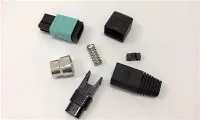
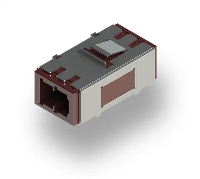
In the realm of modern telecommunications and data transmission, fiber optic technology stands as a cornerstone, facilitating high - speed, reliable, and efficient data transfer. Among the numerous components that make up a fiber optic network, the Fiber Optic MU Connector plays a crucial role. As a supplier of Fiber Optic MU Connectors, I am often asked about the cost associated with these connectors. In this blog, I will delve into the various factors that influence the cost of a Fiber Optic MU Connector and provide a comprehensive overview of what you can expect when considering a purchase.
Understanding the Fiber Optic MU Connector
Before we dive into the cost, it's essential to understand what a Fiber Optic MU Connector is. The MU (Miniature Unit) connector is a small - form - factor fiber optic connector that was developed to meet the increasing demand for higher density connections in fiber optic networks. It features a push - pull latching mechanism, which makes it easy to install and remove. The small size of the MU connector allows for more connections in a given space, making it ideal for applications where space is limited, such as in data centers, local area networks (LANs), and fiber - to - the - home (FTTH) installations.


Factors Affecting the Cost of a Fiber Optic MU Connector
1. Material Quality
The quality of the materials used in the manufacturing of a Fiber Optic MU Connector has a significant impact on its cost. High - quality materials, such as precision - molded plastic for the connector body and high - purity ceramic ferrules, are more expensive but offer better performance and durability. Ceramic ferrules, for example, provide excellent alignment of the fiber cores, which is crucial for minimizing signal loss. On the other hand, connectors made with lower - quality materials may be cheaper initially but can lead to higher maintenance costs and reduced performance over time.
2. Manufacturing Process
The manufacturing process of a Fiber Optic MU Connector is complex and requires high precision. Connectors that are produced using advanced manufacturing techniques, such as automated assembly and polishing processes, tend to be more expensive. These processes ensure consistent quality and performance, but they also involve higher equipment and labor costs. In contrast, connectors manufactured using less advanced methods may have more variability in their performance and may be more prone to defects.
3. Connector Type
There are different types of Fiber Optic MU Connectors available in the market, such as single - mode and multi - mode connectors. Single - mode connectors are designed for long - distance, high - speed data transmission and are generally more expensive than multi - mode connectors, which are suitable for shorter distances. Additionally, connectors with different end - face finishes, such as UPC (Ultra Physical Contact) and APC (Angled Physical Contact), also have different costs. APC connectors, which are used in applications where back - reflection needs to be minimized, are typically more expensive than UPC connectors.
4. Brand and Reputation
Well - known brands in the fiber optic industry often charge a premium for their products. This is because they have invested heavily in research and development, quality control, and customer support. Customers are willing to pay more for a brand that they trust to provide high - quality, reliable products. However, there are also many lesser - known brands that offer good - quality connectors at a more affordable price. It's important to do your research and compare different brands before making a purchase.
Cost Range of Fiber Optic MU Connectors
The cost of a Fiber Optic MU Connector can vary widely depending on the factors mentioned above. On average, a basic multi - mode UPC Fiber Optic MU Connector can cost anywhere from $5 to $15 per piece. Single - mode UPC connectors may cost between $10 and $25 per piece. APC connectors, due to their more complex manufacturing process and better performance, can cost upwards of $20 per piece.
It's important to note that these are just rough estimates, and the actual cost may be higher or lower depending on the specific requirements of your project, the quantity of connectors you are purchasing, and the supplier you choose.
Comparing Fiber Optic MU Connectors with Other Connector Types
When considering the cost of a Fiber Optic MU Connector, it's also useful to compare it with other popular fiber optic connector types. For example, Ftth Sc Optical Fiber Connector and Fiber Optic Fast Connector are also commonly used in fiber optic networks. SC connectors are larger in size compared to MU connectors but are also widely available and relatively inexpensive. A basic SC connector can cost between $3 and $10 per piece.
Fiber Optic Lc Connectors are another small - form - factor connector that is similar to the MU connector in terms of size. LC connectors are also popular in data centers and LANs. The cost of an LC connector is comparable to that of an MU connector, with prices ranging from $5 to $20 per piece depending on the mode and end - face finish.
Volume Discounts and Long - Term Cost Considerations
If you are purchasing a large quantity of Fiber Optic MU Connectors, most suppliers will offer volume discounts. This can significantly reduce the per - piece cost of the connectors. Additionally, when evaluating the cost of a connector, it's important to consider the long - term costs, such as maintenance, replacement, and the impact on network performance. Investing in high - quality connectors may result in lower long - term costs due to reduced maintenance and fewer signal - related issues.
Making an Informed Decision
When it comes to purchasing Fiber Optic MU Connectors, it's crucial to make an informed decision. Consider your specific application requirements, such as the distance of data transmission, the level of signal quality needed, and the available space for installation. Compare the costs and features of different connectors from various suppliers. Don't just focus on the upfront cost but also consider the long - term value and performance of the connectors.
If you are in need of Fiber Optic MU Connectors for your project, I encourage you to reach out to us. As a supplier with extensive experience in the fiber optic industry, we can provide you with high - quality connectors at competitive prices. We offer a wide range of Fiber Optic MU Connectors to meet your specific needs, and our team of experts can assist you in choosing the right connectors for your application. Contact us to start a purchase negotiation and take the first step towards building a reliable and efficient fiber optic network.
References
- Fiber Optic Association. "Fiber Optic Connector Handbook."
- Industry reports on fiber optic components market trends.