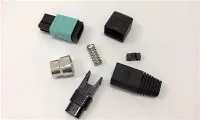
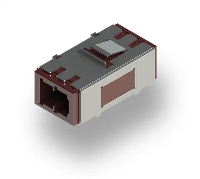
Proper storage of fiber optic LC adapters is crucial for maintaining their performance and longevity. As a supplier of Fiber Optic Lc Adapters, I understand the significance of ensuring that these delicate components are stored under the right conditions. In this blog, I will share some essential tips on how to store fiber optic LC adapters properly.
Understanding the Sensitivity of Fiber Optic LC Adapters
Fiber optic LC adapters are precision components designed to connect fiber optic cables with high precision and low loss. They are made of high - quality materials such as ceramic ferrules and plastic or metal housings. However, they are sensitive to various environmental factors, including dust, moisture, temperature, and mechanical stress.
Dust particles can accumulate on the end - faces of the adapters, causing signal attenuation and increased insertion loss. Moisture can corrode the metal parts and affect the performance of the optical interfaces. Extreme temperatures can cause thermal expansion and contraction, which may lead to misalignment and damage to the internal structure of the adapters. Mechanical stress, such as improper handling or excessive pressure, can also result in physical damage to the adapters.
Ideal Storage Conditions
Temperature and Humidity
The ideal temperature range for storing fiber optic LC adapters is between 0°C and 40°C (32°F and 104°F). This temperature range helps to prevent thermal expansion and contraction that could damage the internal components of the adapters. High temperatures can cause the plastic parts to deform, while low temperatures can make the materials brittle.
Humidity should be kept between 10% and 80% relative humidity (RH). Excessive humidity can lead to the formation of condensation on the adapters, which can cause corrosion and electrical short - circuits. On the other hand, extremely low humidity can generate static electricity, which may attract dust particles and damage the sensitive optical surfaces.
Clean and Dust - Free Environment
Fiber optic LC adapters should be stored in a clean and dust - free environment. Dust and dirt can easily adhere to the end - faces of the adapters, causing signal degradation. A cleanroom or a dedicated storage cabinet with a HEPA (High - Efficiency Particulate Air) filter can be used to store the adapters. If a cleanroom is not available, a sealed plastic container can be used to protect the adapters from dust.
Before storing the adapters, it is recommended to clean them using a lint - free cleaning cloth and a suitable cleaning solution. This helps to remove any existing dust or contaminants on the surface of the adapters.


Protection from Mechanical Stress
Adapters should be stored in a way that protects them from mechanical stress. They should be placed in a container or a rack that provides proper support and prevents them from being crushed or bent. Avoid stacking heavy objects on top of the adapters, as this can cause physical damage.
When handling the adapters, always use proper tools and techniques. Do not pull or twist the fiber optic cables attached to the adapters, as this can cause damage to the connectors and the internal structure of the adapters.
Storage Containers and Packaging
Original Packaging
The original packaging of the fiber optic LC adapters is designed to provide initial protection during transportation and storage. It usually includes a protective case or a tray that holds the adapters in place and protects them from physical damage. If possible, keep the adapters in their original packaging until they are ready to be used.
Reusable Storage Containers
For long - term storage, reusable storage containers can be used. These containers should be made of a durable material, such as plastic or metal, and should have a tight - fitting lid to prevent dust and moisture from entering. Some containers are designed specifically for storing fiber optic components and have compartments or foam inserts to hold the adapters securely.
Anti - Static Packaging
Anti - static packaging is recommended for storing fiber optic LC adapters, especially in environments where static electricity is a concern. Anti - static bags or foam can help to dissipate static charges and protect the adapters from electrostatic discharge (ESD). ESD can cause permanent damage to the sensitive optical components of the adapters.
Labeling and Organization
Labeling
Proper labeling of the storage containers is essential for easy identification and inventory management. Each container should be labeled with the type, quantity, and date of storage of the fiber optic LC adapters. This helps to ensure that the oldest stock is used first (first - in, first - out principle) and makes it easier to locate specific adapters when needed.
Organization
Adapters should be organized in a logical manner within the storage area. They can be grouped by type, such as single - mode or multi - mode adapters, or by application, such as for telecommunications or data center use. This organization makes it easier to find the right adapters quickly and reduces the risk of misplacing or losing them.
Regular Inspection
Even when stored under ideal conditions, fiber optic LC adapters should be inspected regularly. Inspections should be carried out at least once every six months to check for any signs of damage, such as cracks, scratches, or corrosion. If any damaged adapters are found, they should be removed from the storage and replaced or repaired as soon as possible.
During the inspection, the end - faces of the adapters should be checked for dust or contaminants. If necessary, the adapters should be cleaned using a proper cleaning procedure.
Conclusion
Proper storage of fiber optic LC adapters is essential for maintaining their performance and reliability. By following the tips outlined in this blog, you can ensure that your China Lc Lc Duplex Fiber Optic Adapter and Factory Price Ftth Networking Lc - lc Duplex Fiber Adapter are stored in the best possible conditions.
If you are in need of high - quality fiber optic LC adapters or have any questions about their storage and usage, please feel free to contact us. We are here to provide you with the best products and solutions for your fiber optic needs.
References
- "Fiber Optic Connector Handbook", Second Edition, by Andrew D. Kersey
- "Optical Fiber Communications: Principles and Practice", Fourth Edition, by John M. Senior and M. Yousif Jamal