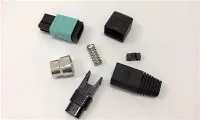
Hey there! As a supplier of Fiber Optic FC Pigtails, I'm stoked to share some insights on how to ensure the security of data transmission using these nifty little cables. Fiber optic technology has come a long way, and FC pigtails are a key player in making sure your data gets from point A to point B safely and soundly.
First off, let's talk about what a Fiber Optic FC Pigtail is. It's a short, single - fiber cable with an FC connector on one end. These connectors are threaded, which provides a secure connection. The fiber inside is made of glass or plastic, and it uses light to transmit data. This is way better than traditional copper cables because it's immune to electromagnetic interference, which can mess up your data big time.
Physical Protection
One of the most basic ways to ensure data security is through physical protection. When you're installing your Fiber Optic FC Pigtails, make sure they're in a safe environment. Avoid areas where they could be easily damaged by physical impact, like in a high - traffic area where people might accidentally kick or trip over them. You can use cable trays or conduits to protect the pigtails. These act as a shield, preventing any external forces from harming the delicate fiber inside.
Another important aspect is the installation itself. Make sure the pigtails are properly installed. A loose or poorly installed connection can lead to signal loss or even data interception. When you're connecting the FC pigtail to other fiber optic components, like a transceiver or a patch panel, use the right tools. Tighten the threaded connector carefully, but don't over - tighten it, as this can damage the connector or the fiber.
Cleaning and Maintenance
Cleanliness is super important when it comes to fiber optic cables. Dirt, dust, and other contaminants can block the light signal traveling through the fiber, causing data loss or errors. Regularly clean the connectors of your Fiber Optic FC Pigtails. You can use special cleaning kits that are designed for fiber optic connectors. These usually include cleaning wipes and cleaning fluid.
Inspect the pigtails regularly for any signs of damage. Look for cracks, bends, or other physical defects. If you notice any issues, replace the pigtail immediately. A damaged pigtail can compromise the security of your data transmission. You can also check the signal strength using a power meter. If the signal strength is lower than expected, it could be a sign of a problem with the pigtail or the connection.
Encryption
Even with the best physical protection and maintenance, it's still a good idea to use encryption for your data. Encryption scrambles the data so that even if someone manages to intercept it, they won't be able to read it without the decryption key. There are different encryption algorithms available, and you can choose the one that suits your needs.
When using encryption, make sure your fiber optic network is compatible with the encryption technology. Some encryption methods might require additional hardware or software. Work with your IT team or a network security expert to implement the right encryption solution for your data transmission using Fiber Optic FC Pigtails.
Compatibility and Standards
Ensure that your Fiber Optic FC Pigtails are compatible with the rest of your fiber optic network. Using incompatible components can lead to signal degradation and security risks. Check the specifications of the pigtails, such as the fiber type (single - mode or multi - mode), the connector type, and the bandwidth.
Adhere to industry standards when it comes to fiber optic installations. Standards like the TIA/EIA 568 and ISO/IEC 11801 provide guidelines on how to install and maintain fiber optic networks. Following these standards ensures that your network is secure and reliable.
Monitoring and Intrusion Detection
Set up a monitoring system for your fiber optic network. This can help you detect any abnormal activity, such as a sudden drop in signal strength or an unauthorized attempt to access the network. There are various monitoring tools available in the market. Some of them can even provide real - time alerts if there's a problem.
Intrusion detection systems (IDS) can also be used to protect your data transmission. These systems monitor the network for any signs of unauthorized access or malicious activity. They can detect things like data interception attempts and alert you immediately.
Using Complementary Fiber Optic Pigtails
In addition to Fiber Optic FC Pigtails, there are other types of pigtails that you might find useful for your network. For example, Fiber Optic St Pigtails are another popular type of fiber optic pigtail. They use a bayonet - style connector, which is easy to install and remove. They can be used in different applications, depending on your network requirements.
Fiber Optic E2000 Pigtail is also a great option. It has a push - pull connector design, which provides a secure and reliable connection. The E2000 connector has a shutter that protects the connector end - face when it's not in use, preventing contamination.
And then there's the Fiber Optic Sc Pigtail. It uses a square - shaped connector and is known for its low insertion loss and high return loss. These pigtails are widely used in data centers and other high - speed networks.
Contact for Procurement
If you're interested in purchasing high - quality Fiber Optic FC Pigtails or any of the other fiber optic pigtails I mentioned, don't hesitate to reach out. We offer a wide range of pigtails that are designed to meet your specific needs. Whether you're setting up a new network or upgrading an existing one, we can provide you with the right solutions.


References
- "Fiber Optic Network Design and Installation Handbook"
- "Fiber Optic Testing and Troubleshooting Guide"
- Industry whitepapers on fiber optic security