Submarine communication plays a pivotal role in today's globalized world, facilitating seamless data transmission across continents. At the heart of this complex system are fiber optic connectors, which are essential for ensuring efficient signal transfer. As a leading supplier of fiber optic connectors, I understand the critical importance of maintaining their long - term stability in the harsh submarine environment. In this blog, I will delve into the key factors and strategies to guarantee the enduring performance of these connectors.


Understanding the Submarine Environment
The submarine environment is extremely challenging for fiber optic connectors. It is characterized by high pressure, low temperatures, and the presence of corrosive seawater. These conditions can cause physical damage to the connectors, such as cracks in the fiber or corrosion of the metal components. Additionally, the long - term exposure to these elements can lead to degradation of the optical performance, resulting in signal loss and reduced communication quality.
Material Selection
One of the primary steps in ensuring the long - term stability of fiber optic connectors in submarine communication is the careful selection of materials. For the optical fibers themselves, high - purity silica glass is commonly used due to its low attenuation and excellent optical properties. However, in the submarine environment, the fibers need to be protected from mechanical stress and moisture. Specialized coatings, such as acrylate or polyimide, can be applied to the fibers to enhance their resistance to environmental factors.
For the connector bodies and components, materials with high corrosion resistance are crucial. Titanium and stainless steel are popular choices as they can withstand the corrosive effects of seawater. Additionally, these materials have high strength - to - weight ratios, which is beneficial for reducing the overall weight of the connectors, especially in large - scale submarine cable installations.
Sealing and Protection
Proper sealing is essential to prevent seawater ingress into the fiber optic connectors. Seals and gaskets made from elastomeric materials, such as silicone or fluorocarbon, can be used to create a watertight barrier. These seals need to be designed to withstand the high pressures found in the deep sea. For example, some seals are engineered to compress under pressure, maintaining a tight seal even at great depths.
In addition to sealing, external protective layers can be added to the connectors. Armor jackets made of materials like steel or composite fibers can provide mechanical protection against impacts and abrasion. These jackets also help to shield the connectors from damage caused by marine organisms, such as barnacles and mussels, which can attach themselves to the cables and connectors over time.
Installation and Termination
The installation and termination processes of fiber optic connectors are critical for their long - term stability. Improper installation can lead to misalignment of the fibers, which can cause significant signal loss. It is essential to follow strict installation procedures and use precision tools to ensure accurate alignment.
During termination, the fibers need to be properly cleaved and spliced. Automated cleaving machines can produce clean and precise cuts, which are essential for low - loss splicing. Fusion splicing is the preferred method for submarine applications as it provides a permanent and low - loss connection between the fibers. After splicing, the joints should be protected with splice trays and enclosures to prevent mechanical stress and environmental damage.
Testing and Monitoring
Regular testing and monitoring are necessary to detect any potential issues with the fiber optic connectors early on. Optical time - domain reflectometers (OTDRs) can be used to measure the attenuation and integrity of the fibers. These devices send light pulses into the fiber and analyze the reflections to identify any faults or changes in the optical properties.
In addition to OTDRs, real - time monitoring systems can be installed to continuously monitor the performance of the connectors. These systems can detect changes in signal strength, temperature, and other parameters, allowing for proactive maintenance and timely replacement of faulty components.
Our Product Range
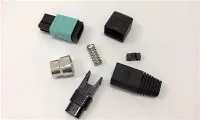
As a fiber optic connector supplier, we offer a wide range of products suitable for submarine communication. Our Fiber Optic Fast Connector Sc is designed for quick and easy installation, with high - precision alignment to ensure low - loss signal transmission. It is also equipped with robust sealing mechanisms to protect against seawater ingress.
Our Fiber Optic Fast Connector Ftth Pre - embedded Sc is specifically designed for fiber - to - the - home (FTTH) applications in submarine networks. It features pre - embedded fibers, which reduce the installation time and complexity. The connector is also engineered to withstand the harsh submarine environment, with excellent corrosion resistance and mechanical stability.
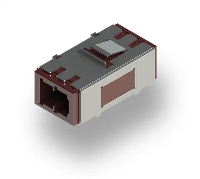
Another product in our portfolio is the Fiber Optic St Connecters. These connectors are known for their reliability and durability. They are widely used in submarine communication systems due to their high - performance optical characteristics and robust construction.
Conclusion
Ensuring the long - term stability of fiber optic connectors in submarine communication is a complex but achievable goal. By carefully selecting materials, implementing proper sealing and protection measures, following strict installation and termination procedures, and conducting regular testing and monitoring, we can minimize the risk of connector failure and ensure reliable communication.
As a fiber optic connector supplier, we are committed to providing high - quality products and solutions that meet the demanding requirements of submarine communication. If you are in the market for reliable fiber optic connectors for your submarine projects, we invite you to contact us for a detailed discussion about your needs. Our team of experts is ready to assist you in selecting the most suitable connectors and providing technical support throughout the installation and maintenance process.
References
- Agrawal, G. P. (2002). Fiber - optic communication systems. Wiley.
- Senior, J. M., & Jamro, M. Y. (2009). Optical fiber communications: principles and practice. Pearson Education.
- Submarine Cable Systems and their Applications. ITU - T Study Group 15.