Hey there! As a supplier of Fiber Optic LC Pigtails, I know how crucial it is to ensure the safety of using these nifty little components. In this blog, I'm gonna share some tips and tricks to help you use Fiber Optic LC Pigtails safely and effectively.
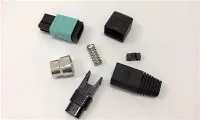
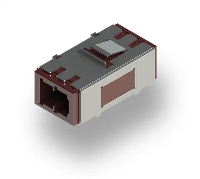
First off, let's talk about what Fiber Optic LC Pigtails are. These are short, single - fiber cables with an LC connector on one end and a bare fiber on the other. They're widely used in fiber optic networks for connecting equipment, splicing, and testing. You can check out our Fiber Optic LC Pigtails on our website to get a better idea of what they look like and their specifications.
1. Handling with Care
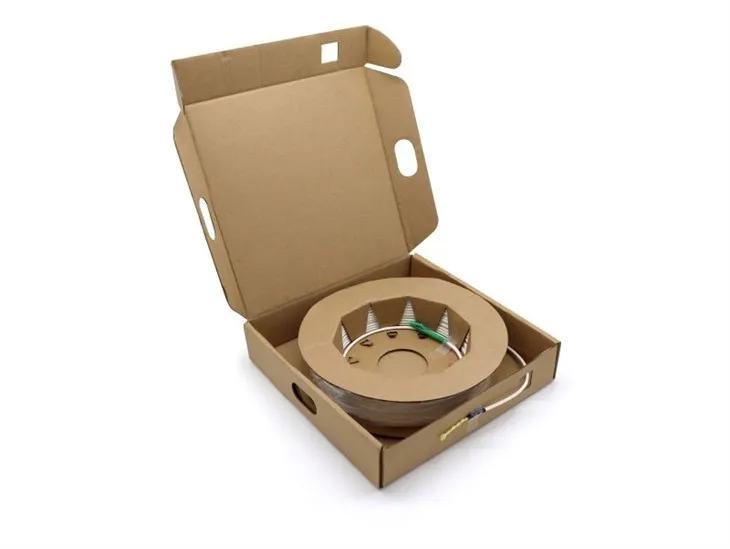
When you receive your Fiber Optic LC Pigtails, the first thing you need to do is handle them gently. The fiber inside is extremely thin and fragile. Even a small bend or kink can cause signal loss or breakage. So, when you're unpacking them, be careful not to tug or pull on the cables too hard.
Store them properly as well. Keep them in a clean, dry place away from sharp objects. A good idea is to use a dedicated fiber optic cable storage rack or box. This will prevent the cables from getting tangled or damaged.
2. Cleaning the Connectors
The LC connectors on the pigtails are super important for a good signal connection. Over time, dust, dirt, and other contaminants can accumulate on the connectors, which can lead to poor performance or even damage to the equipment.
To clean the connectors, you can use a fiber optic cleaning kit. These kits usually come with cleaning wipes and cleaning fluid. First, make sure the equipment is powered off. Then, gently wipe the connector end - face with the cleaning wipe. Be careful not to apply too much pressure, as this can scratch the connector. If there are stubborn contaminants, you can use a small amount of the cleaning fluid on the wipe.
3. Installation Safety
When installing Fiber Optic LC Pigtails, there are a few safety precautions you need to take. First, always wear safety glasses. This is because the bare fiber end can be very sharp and can cause eye injuries if it breaks or snaps.
Also, make sure you're working in a well - ventilated area. Some of the adhesives and cleaning fluids used in fiber optic installation can emit fumes, which can be harmful if inhaled in large quantities.

When splicing the pigtails, follow the manufacturer's instructions carefully. Use the right tools for the job, such as a fiber optic splicer. Incorrect splicing can lead to high signal loss and may even damage the fiber.
4. Compatibility Check
Before you connect the Fiber Optic LC Pigtails to your equipment, you need to make sure they're compatible. Check the fiber type (single - mode or multi - mode), the connector type, and the wavelength. Using incompatible components can result in poor signal quality and may even damage the equipment.
For example, if your network uses single - mode fiber, make sure the pigtails are also single - mode. Similarly, if your equipment has an LC connector, the pigtail should have a matching LC connector.
5. Avoiding Over - Bending
Fiber optic cables have a minimum bend radius. If you bend the cable beyond this radius, it can cause signal loss and damage to the fiber. The minimum bend radius varies depending on the type of fiber and the cable construction.
As a general rule, don't bend the Fiber Optic LC Pigtails more than what's recommended by the manufacturer. You can usually find this information in the product datasheet. If you need to route the cables around corners or obstacles, use proper cable management tools like cable ties and bend - radius limiters.
6. Protecting from Environmental Factors
Fiber Optic LC Pigtails can be affected by environmental factors such as temperature, humidity, and moisture. Extreme temperatures can cause the fiber to expand or contract, which can lead to signal loss. High humidity and moisture can corrode the connectors and damage the fiber.
If you're installing the pigtails outdoors or in a harsh environment, use weather - resistant enclosures and cables. Make sure the enclosures are properly sealed to prevent water and dust from getting in.
7. Regular Inspections
Regular inspections are a must to ensure the long - term safety and performance of your Fiber Optic LC Pigtails. Check the connectors for signs of wear and tear, such as scratches or cracks. Look at the cables for any visible damage, like cuts or kinks.
You can use a fiber optic microscope to inspect the connector end - faces. This will allow you to detect any contaminants or damage that may not be visible to the naked eye. If you find any issues, replace the damaged components immediately.
8. Training and Education
If you're part of a team that uses Fiber Optic LC Pigtails, make sure everyone is properly trained on how to handle, install, and maintain them. This will reduce the risk of accidents and ensure that the pigtails are used correctly.
There are many training courses available online and in person that cover fiber optic installation and maintenance. Encourage your team members to take these courses to improve their skills and knowledge.
Other Related Products
In addition to Fiber Optic LC Pigtails, we also offer other fiber optic products like Fiber Optic E2000 Pigtail and LC Simplex Fiber Patch Cord. These products have their own unique features and applications, and they can be used in combination with Fiber Optic LC Pigtails to build a comprehensive fiber optic network.
Contact Us for Purchasing
If you're interested in purchasing our Fiber Optic LC Pigtails or any of our other fiber optic products, don't hesitate to reach out. We're here to provide you with high - quality products and excellent customer service. Whether you have questions about the products, need technical support, or want to place an order, just let us know.
References
- Fiber Optic Association. "Fiber Optic Installation and Maintenance Best Practices."
- Manufacturer's product datasheets for Fiber Optic LC Pigtails.