Ensuring the reliability of a Fiber Optic SC Connector connection is of paramount importance in the field of fiber - optic communication. As a supplier of Fiber Optic SC Connectors, I understand the significance of this issue and am committed to providing high - quality products and solutions. In this blog, I will share some key factors and methods to ensure the reliability of these connections.
Understanding the Basics of Fiber Optic SC Connectors
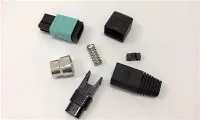
Before delving into the reliability - ensuring methods, it's essential to understand the basic structure and working principle of Fiber Optic SC Connectors. SC connectors are push - pull type connectors with a square - shaped ferrule. They are widely used in single - mode and multimode fiber - optic networks due to their low insertion loss, high return loss, and ease of use.
The core of the connection lies in the alignment of the fiber cores within the connectors. Any misalignment can lead to increased signal loss and reduced performance. Additionally, the end - face quality of the ferrule plays a crucial role in determining the quality of the connection. A dirty or damaged end - face can cause reflections and scattering of light, degrading the signal.
Key Factors Affecting the Reliability of Fiber Optic SC Connector Connections
1. Installation Environment
The environment in which the Fiber Optic SC Connectors are installed has a significant impact on their reliability. Harsh environments, such as those with high humidity, extreme temperatures, or high levels of dust and dirt, can cause damage to the connectors over time. For example, in a high - humidity environment, moisture can penetrate the connector and cause corrosion of the metal parts, leading to poor electrical contact and signal loss.
To mitigate these risks, it is important to choose the appropriate installation location. Avoid areas prone to water leakage, direct sunlight, or excessive vibration. If necessary, use protective enclosures or cabinets to shield the connectors from the elements.
2. Connector Quality
The quality of the Fiber Optic SC Connectors themselves is a fundamental factor in ensuring reliable connections. High - quality connectors are manufactured with precision, using advanced materials and production processes. They have better alignment accuracy, lower insertion loss, and higher return loss.
As a supplier, we conduct strict quality control measures during the manufacturing process. We use high - grade materials for the ferrules and bodies of the connectors, and perform multiple tests to ensure that each connector meets the industry standards. For example, we use optical time - domain reflectometers (OTDRs) to measure the insertion loss and return loss of the connectors, and visual inspection devices to check the end - face quality.
3. Cleaning and Maintenance
Regular cleaning and maintenance are essential for maintaining the reliability of Fiber Optic SC Connector connections. Dust, dirt, and oil can accumulate on the end - faces of the connectors during use, which can cause signal degradation. Therefore, it is important to clean the connectors regularly using appropriate cleaning tools and techniques.
We recommend using lint - free wipes and cleaning solutions specifically designed for fiber - optic connectors. When cleaning, gently wipe the end - face of the connector in a circular motion to remove any contaminants. Avoid applying too much pressure, as this can damage the delicate end - face.
In addition to cleaning, regular inspection of the connectors is also necessary. Check for any signs of damage, such as cracks in the ferrules or loose parts. If any damage is found, replace the connector immediately to prevent further problems.
4. Cable Management
Proper cable management is another important aspect of ensuring the reliability of Fiber Optic SC Connector connections. Bending or twisting the fiber cables too tightly can cause micro - bends, which can lead to increased signal loss. Therefore, it is important to install the cables in a way that minimizes stress on the fibers.
Use cable trays, conduits, or clips to organize the cables and keep them in place. Avoid sharp bends or kinks in the cables, and ensure that there is enough slack in the cables to allow for movement and expansion.
Methods to Ensure the Reliability of Fiber Optic SC Connector Connections
1. Pre - installation Inspection
Before installing the Fiber Optic SC Connectors, it is important to conduct a thorough inspection of the connectors and cables. Check the connectors for any visible damage, such as scratches or cracks on the ferrules. Inspect the cables for any signs of damage, such as cuts or abrasions.
Use a visual inspection microscope to check the end - face quality of the connectors. The end - face should be clean, smooth, and free of any contaminants or defects. If any problems are found, replace the connectors or cables before installation.
2. Proper Installation Techniques
Proper installation techniques are crucial for ensuring the reliability of Fiber Optic SC Connector connections. Follow the manufacturer's installation instructions carefully, and use the appropriate installation tools.
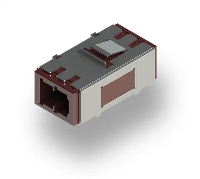
When installing the connectors, make sure that the ferrules are properly aligned and inserted into the adapters. Apply gentle pressure to ensure a secure connection, but avoid over - tightening, as this can damage the connectors. After installation, use an OTDR to test the connection and ensure that the insertion loss and return loss are within the acceptable range.
3. Use of Complementary Products
In some cases, using complementary products can enhance the reliability of Fiber Optic SC Connector connections. For example, using dust caps on the connectors when they are not in use can prevent dust and dirt from accumulating on the end - faces. Additionally, using fiber - optic splice closures can protect the splices and connections from the environment.
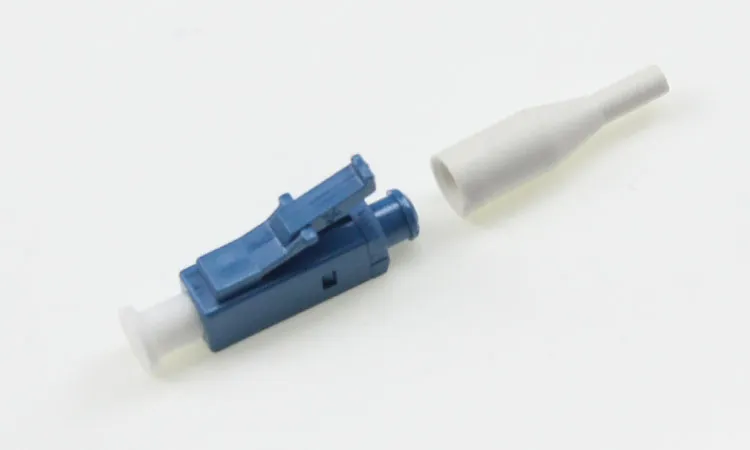
We also offer a range of related products, such as Fiber Optic E2000 Connector, 3 In 1 Ip68 Waterproof Connector, and Fiber Optic Lc Connectors, which can be used in combination with the Fiber Optic SC Connectors to meet different application requirements.
4. Training and Education
Providing training and education to the installation and maintenance personnel is an important part of ensuring the reliability of Fiber Optic SC Connector connections. Proper training can help the personnel understand the working principle of the connectors, the importance of proper installation and maintenance, and the correct use of the tools and equipment.
We offer training courses for our customers, which cover topics such as fiber - optic cable installation, connector cleaning and maintenance, and testing techniques. By improving the skills and knowledge of the personnel, we can ensure that the Fiber Optic SC Connector connections are installed and maintained correctly, reducing the risk of failures.

Conclusion
Ensuring the reliability of a Fiber Optic SC Connector connection requires a comprehensive approach that takes into account various factors, including the installation environment, connector quality, cleaning and maintenance, and cable management. As a supplier of Fiber Optic SC Connectors, we are committed to providing high - quality products and solutions, as well as technical support and training to our customers.
If you are interested in purchasing our Fiber Optic SC Connectors or have any questions about ensuring the reliability of fiber - optic connections, please feel free to contact us for further discussion and negotiation. We look forward to working with you to meet your fiber - optic communication needs.
References
- "Fiber Optic Communication Technology" by Gerd Keiser
- "Optical Fiber Connectors and Splices" by John C. Palais
- Industry standards and guidelines for fiber - optic connectors, such as TIA/EIA standards.