Hey there! As a supplier of fiber optic connectors, I've gotten tons of questions about different parts and materials used in these connectors. One topic that often pops up is the index - matching gel. So, I thought I'd break down what it is and what role it plays in fiber optic connectors.
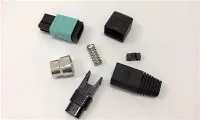
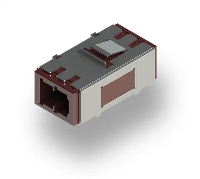
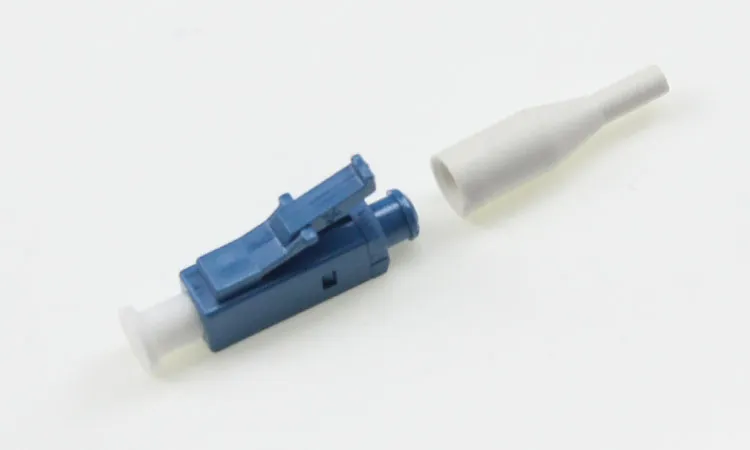
First off, let's understand the basics of fiber optic connectors. These connectors are used to join fiber optic cables together or to connect them to other devices. They're super important in the world of telecommunications, data centers, and other industries where high - speed data transfer is key. There are different types of fiber optic connectors out there, like the Fiber Optic St Connecters and Fiber Optic Lc Connectors. Each type has its own unique features and applications, but they all share a common goal: to ensure efficient and reliable data transmission through the fiber optic cables.
Now, let's talk about the index - matching gel. The refractive index is a measure of how light bends when it passes from one medium to another. In fiber optic cables, light travels through the core of the fiber, which has a specific refractive index. When two fiber optic cables are connected using a connector, there's a small air gap between the fiber ends. Air has a different refractive index compared to the fiber core. This difference in refractive indices can cause a phenomenon called reflection.
Reflection is bad news for fiber optic systems. When light is reflected at the connection point, it means that some of the signal is lost. This can lead to a decrease in the signal strength, which in turn can result in data errors, slower data transfer speeds, and overall poor performance of the fiber optic network.
This is where the index - matching gel comes in. The index - matching gel has a refractive index that's very close to the refractive index of the fiber core. When you apply the gel to the connection point between two fiber optic cables in a connector, it fills the air gap. Since the refractive index of the gel is similar to that of the fiber core, light can pass through the connection point with much less reflection.
Think of it like this: if you're trying to walk from one room to another through a doorway, and there's a big step in the doorway, you'll stumble a bit. But if you put a ramp that's at the same level as the floors of both rooms, you can walk smoothly through. The index - matching gel acts like that ramp for light. It creates a smooth transition for light to pass from one fiber to another, reducing the amount of light that gets reflected back.
Another advantage of using index - matching gel is that it can help with mechanical alignment. In fiber optic connectors, getting the two fiber ends perfectly aligned is crucial. Even a small misalignment can cause significant signal loss. The gel provides a bit of cushioning and can help keep the fibers in place. It also helps to protect the fiber ends from dust, dirt, and other contaminants. A clean and well - protected connection is essential for maintaining the integrity of the fiber optic signal.
There are different types of index - matching gels available on the market. Some gels are designed for specific types of fiber optic connectors or applications. For example, in outdoor or harsh environments, you might need a gel that's more resistant to temperature changes, moisture, and other environmental factors. Our company offers a range of high - quality index - matching gels that are suitable for various fiber optic connectors, including the 3 In 1 Ip68 Waterproof Connector. This connector is great for outdoor use, and the right index - matching gel can ensure its optimal performance even in wet or dirty conditions.
When using index - matching gel, it's important to apply it correctly. You don't want to use too much or too little. If you use too much gel, it can squeeze out of the connector and cause a mess. It might also attract dust and dirt, which can still lead to problems. On the other hand, if you use too little gel, it might not fill the air gap properly, and you won't get the full benefits of reduced reflection.
Here are some tips for applying index - matching gel:
- Clean the fiber ends thoroughly before applying the gel. Any dirt or debris on the fiber ends can affect the performance of the gel and the overall connection.
- Use a small amount of gel. A little goes a long way. You can use a syringe or a similar tool to apply the gel precisely to the connection point.
- Make sure the gel is evenly distributed. You can gently rotate or wiggle the connector slightly after applying the gel to ensure that it spreads evenly across the connection area.
In addition to its performance benefits, the index - matching gel can also extend the lifespan of fiber optic connectors. By reducing the amount of reflection and protecting the fiber ends, it helps to prevent wear and tear on the connectors. This means that you won't have to replace the connectors as often, which can save you money in the long run.

Overall, the index - matching gel is a small but crucial component in fiber optic connectors. It plays a vital role in ensuring efficient data transmission, reducing signal loss, and maintaining the reliability of fiber optic networks. Whether you're setting up a small local area network in an office or a large - scale telecommunications network, using the right index - matching gel can make a big difference in the performance of your fiber optic system.
If you're in the market for fiber optic connectors or index - matching gels, we're here to help. We've got a wide range of products to meet your needs, from different types of connectors like the Fiber Optic St Connecters and Fiber Optic Lc Connectors to high - quality index - matching gels. We're committed to providing top - notch products and excellent customer service. So, if you have any questions or if you're ready to start a purchase, just reach out to us. We'd love to have a chat with you and help you find the best solutions for your fiber optic needs.
References:
- Principles of Fiber Optics, by Gerd Keiser
- Fiber Optic Communication Systems, by Govind P. Agrawal