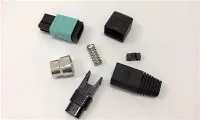
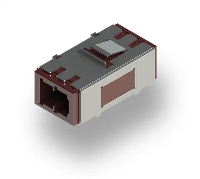
Torsional stress can significantly impact the performance and lifespan of Fiber Optic E2000 Pigtails. As a trusted supplier of these high - quality pigtails, I understand the importance of avoiding torsional stress to ensure optimal functionality. In this blog post, I'll share some key strategies and best practices on how to prevent torsional stress on Fiber Optic E2000 Pigtails.
Understanding Torsional Stress in Fiber Optic E2000 Pigtails
Before we dive into the prevention methods, it's essential to understand what torsional stress is and how it affects Fiber Optic E2000 Pigtails. Torsional stress occurs when a twisting force is applied to the pigtail. In the context of fiber optics, this can cause micro - bending and macro - bending of the fiber within the pigtail. Micro - bending refers to small - scale deformations that can scatter light and increase signal loss, while macro - bending involves larger bends that can also disrupt the light transmission.
The E2000 connector on the pigtail is designed to provide a high - performance, reliable connection. However, if torsional stress is present, it can compromise the alignment of the connector, leading to increased insertion loss, return loss, and potential signal degradation. Over time, repeated torsional stress can even cause physical damage to the fiber, such as breakage, which will render the pigtail useless.
Proper Installation Techniques
One of the most effective ways to avoid torsional stress is through proper installation. When installing Fiber Optic E2000 Pigtails, it's crucial to handle them with care. First, make sure that the installation area is clean and free from any debris that could potentially damage the pigtail.
During the installation process, avoid twisting the pigtail while connecting it to other components. Hold the connector firmly but gently, and align it precisely with the mating adapter. Use a proper installation tool, such as a fiber optic torque wrench, to ensure that the connector is tightened to the correct torque specification. Over - tightening can also cause stress on the pigtail, so it's important to follow the manufacturer's guidelines.
Another important aspect of installation is cable management. Properly route the pigtail cable to avoid sharp bends and twists. Use cable ties or clips to secure the cable in place, but make sure not to overtighten them, as this can also cause stress on the fiber. Create a smooth and gentle curve for the cable, and avoid any areas where the cable might be pinched or rubbed against sharp edges.
Cable Routing and Management
Effective cable routing and management play a vital role in preventing torsional stress. When planning the cable layout, consider the natural movement and flexibility of the pigtail. Avoid routing the cable in a way that requires it to twist or turn sharply.
Use cable trays or conduits to guide the pigtail cable. These provide a protected pathway for the cable and help to maintain its shape. Make sure that the cable trays or conduits are properly sized to accommodate the pigtail without causing any compression or twisting.
If multiple pigtails are being installed in the same area, separate them to prevent them from tangling or rubbing against each other. Label each pigtail clearly to make it easier to identify and manage them in the future. This will also help to avoid any accidental twisting or pulling during maintenance or upgrades.
Handling and Storage
Proper handling and storage of Fiber Optic E2000 Pigtails are also crucial to avoid torsional stress. When transporting the pigtails, use a suitable protective case or packaging. This will prevent the pigtails from being bent or twisted during transit.
When storing the pigtails, keep them in a cool, dry place. Avoid storing them in areas where they might be exposed to extreme temperatures, humidity, or mechanical stress. Coil the pigtail cable gently and store it in a way that does not cause any kinks or twists.
When retrieving the pigtail from storage, handle it carefully. Avoid pulling or tugging on the cable, as this can introduce torsional stress. Instead, grasp the connector end and gently unwind the cable.
Regular Inspection and Maintenance
Regular inspection and maintenance are essential to detect and address any potential issues related to torsional stress. Inspect the pigtail regularly for signs of damage, such as cracks, bends, or discoloration. Check the connector for proper alignment and cleanliness.
If any signs of torsional stress are detected, take immediate action to correct the problem. This might involve re - routing the cable, adjusting the cable management system, or replacing the damaged pigtail. By catching and addressing these issues early, you can prevent further damage and ensure the long - term performance of the pigtail.
Comparison with Other Pigtail Types
It's also worth comparing Fiber Optic E2000 Pigtails with other types of pigtails, such as Fiber Optic Fc Pigtail and Fiber Optic Sc Pigtail. Each type of pigtail has its own characteristics and requirements.
The E2000 connector on the pigtail offers a high - level of protection against dust and dirt, thanks to its shutters. This can be an advantage in environments where cleanliness is a concern. However, like all pigtails, it is still susceptible to torsional stress.


The FC pigtail, on the other hand, uses a screw - type connector. While it provides a secure connection, improper tightening during installation can also cause torsional stress. The SC pigtail has a push - pull connector, which is relatively easy to install but can also be subject to stress if not handled correctly.
Conclusion
Avoiding torsional stress on Fiber Optic E2000 Pigtails is crucial for maintaining their performance and longevity. By following proper installation techniques, effective cable routing and management, careful handling and storage, and regular inspection and maintenance, you can significantly reduce the risk of torsional stress.
As a supplier of Fiber Optic E2000 Pigtail, I am committed to providing high - quality products and sharing valuable knowledge with our customers. If you are in the market for Fiber Optic E2000 Pigtails or have any questions about preventing torsional stress, I encourage you to contact us for more information and to discuss your specific requirements. We look forward to the opportunity to work with you and help you achieve optimal performance in your fiber optic systems.
References
- "Fiber Optic Connector Handbook", Second Edition, by R. A. Berghman.
- "Optical Fiber Communication Systems", Fourth Edition, by G. P. Agrawal.