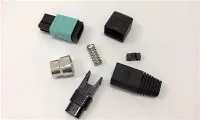
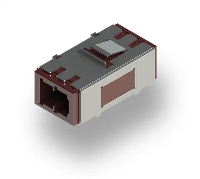
Vibration is an omnipresent physical phenomenon that can have a significant impact on various electronic and optical devices. As a supplier of Fiber Optic PLC (Planar Lightwave Circuit) Splitters, I have witnessed firsthand how vibration can influence the performance of these crucial components in fiber optic networks. In this blog post, I will delve into the ways vibration affects the performance of Fiber Optic PLC Splitters and discuss potential mitigation strategies.
Understanding Fiber Optic PLC Splitters
Before exploring the effects of vibration, it's essential to understand what Fiber Optic PLC Splitters are and how they function. PLC Splitters are passive optical devices used to split an optical signal into multiple outputs. They are widely used in fiber-to-the-home (FTTH) networks, local area networks (LANs), and other fiber optic communication systems. The PLC technology uses a silica-based waveguide on a silicon substrate to achieve low insertion loss, high reliability, and excellent uniformity across multiple output ports.
How Vibration Affects Fiber Optic PLC Splitters
1. Insertion Loss Variation
Insertion loss is a critical parameter for PLC Splitters, which measures the amount of optical power lost when the signal passes through the splitter. Vibration can cause mechanical stress on the PLC chip and the optical fibers connected to it. This stress can lead to micro-bending or macro-bending of the optical fibers, which in turn increases the insertion loss. Micro-bends are small, random bends in the fiber that cause light to leak out of the core, while macro-bends are larger, visible bends that can also disrupt the propagation of light.
For example, in a high-vibration environment such as a factory floor or a moving vehicle, the constant shaking can cause the fibers to rub against each other or against the splitter housing. This friction can create micro-bends over time, gradually increasing the insertion loss. Even a small increase in insertion loss can have a significant impact on the performance of the fiber optic network, reducing the signal strength and potentially leading to communication errors.
2. Return Loss Degradation
Return loss is another important parameter that measures the amount of light reflected back towards the source. Vibration can cause changes in the refractive index of the waveguide in the PLC chip or the end-faces of the optical fibers. These changes can lead to an increase in the reflection of light, resulting in a degradation of the return loss.
When the return loss degrades, the reflected light can interfere with the original signal, causing signal distortion and reducing the overall system performance. In some cases, excessive reflection can even damage the optical transmitters or receivers. For instance, if the vibration causes a misalignment between the fiber and the PLC chip, the light may not couple efficiently into the waveguide, leading to increased reflection.
3. Signal Stability
Vibration can also affect the stability of the optical signal passing through the PLC Splitter. The mechanical stress caused by vibration can introduce fluctuations in the optical path length, which can result in phase changes and amplitude variations of the signal. These fluctuations can cause the signal to become unstable, leading to bit errors and reduced data transmission rates.
In a data center environment, for example, where high-speed data transmission is crucial, even minor signal instability can have a significant impact on the performance of the network. The constant vibration from cooling fans, servers, or other equipment can cause the PLC Splitters to experience these signal fluctuations, affecting the reliability of the data transfer.
4. Physical Damage
In severe cases, prolonged or intense vibration can cause physical damage to the PLC Splitter. The mechanical stress can lead to cracks in the PLC chip or the splitter housing, breakage of the optical fibers, or loosening of the connectors. Physical damage can render the splitter completely inoperable, requiring replacement and causing significant downtime in the fiber optic network.


For example, in an outdoor environment exposed to strong winds or seismic activity, the PLC Splitters may be subjected to high levels of vibration. If the splitter is not properly installed or protected, the vibration can cause the components to shift or break, leading to a complete failure of the device.
Mitigation Strategies
1. Proper Installation
Proper installation is crucial to minimize the impact of vibration on PLC Splitters. The splitters should be mounted securely using appropriate brackets or enclosures to prevent excessive movement. The optical fibers should be carefully routed and secured to avoid bending or twisting. Additionally, vibration-damping materials can be used to isolate the splitter from the source of vibration.
For example, when installing PLC Splitters in a factory environment, rubber gaskets or shock-absorbing mounts can be used to reduce the transmission of vibration from the machinery to the splitters. The fibers should be tied down with cable ties at regular intervals to prevent them from moving freely.
2. Robust Packaging
Using robust packaging can also help protect the PLC Splitters from vibration. The splitter housing should be made of a durable material that can withstand mechanical stress. Some splitters are designed with a metal or plastic enclosure that provides additional protection against vibration and impact.
For instance, the 2*8 Plc Fiber Optic Splitter Cassette Sc Apc is housed in a rugged cassette that provides excellent protection against vibration and environmental factors. The cassette is designed to hold the splitter securely and prevent any movement that could cause damage to the components.
3. Quality Components
Using high-quality components is essential to ensure the reliability of PLC Splitters in a vibration-prone environment. The optical fibers should have a high tensile strength and good bend resistance to withstand the mechanical stress caused by vibration. The PLC chip should be manufactured with high precision to minimize the effects of vibration on the optical performance.
For example, the 1x16 Plc Fiber Splitter, Steel Tube, Bare Fiber 250µm, Sc Upc, Singlemode uses high-quality optical fibers and a precision-manufactured PLC chip to provide stable performance even in challenging environments. The steel tube enclosure provides additional protection against vibration and physical damage.
4. Regular Maintenance
Regular maintenance is necessary to detect and address any issues caused by vibration. The PLC Splitters should be inspected periodically for signs of physical damage, such as cracks or loose connectors. The insertion loss and return loss should be measured regularly to monitor the performance of the splitters.
If any issues are detected, the necessary repairs or replacements should be carried out promptly to prevent further damage to the network. For example, if the insertion loss of a splitter has increased significantly, it may be necessary to replace the damaged fiber or the entire splitter.
Conclusion
Vibration can have a significant impact on the performance of Fiber Optic PLC Splitters, affecting parameters such as insertion loss, return loss, signal stability, and even causing physical damage. As a supplier of PLC Splitters, we understand the importance of providing high-quality products that can withstand the challenges of different environments.
By implementing proper installation techniques, using robust packaging, selecting quality components, and performing regular maintenance, the impact of vibration on PLC Splitters can be minimized. Our company offers a wide range of PLC Splitters, including the 2*8 Plc Fiber Optic Splitter Cassette Sc Apc, 1x16 Plc Fiber Splitter, Steel Tube, Bare Fiber 250µm, Sc Upc, Singlemode, and 1x8 Plc Fiber Optic Splitter, which are designed to provide reliable performance in various applications.
If you are in need of high-quality Fiber Optic PLC Splitters or have any questions about how vibration may affect your fiber optic network, please feel free to contact us for a detailed discussion and customized solutions. We are committed to helping you build a stable and efficient fiber optic communication system.
References
- "Fiber Optic Communication Systems" by Govind P. Agrawal
- "Passive Optical Networks: Principles and Applications" by Toshio Tanaka
- Industry white papers on fiber optic components and their performance in vibration environments