Can Fiber Optic MPO Adapters be used in outdoor environments?
As a supplier of Fiber Optic MPO Adapters, I often receive inquiries from customers about the suitability of these adapters for outdoor use. This blog post aims to provide a comprehensive analysis of whether Fiber Optic MPO Adapters can be effectively used in outdoor environments.
Understanding Fiber Optic MPO Adapters
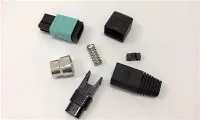
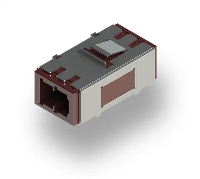
Fiber Optic MPO (Multi - Fiber Push - On) Adapters are designed to connect multiple optical fibers simultaneously. They offer high - density connectivity, which is ideal for data centers, telecommunications networks, and other high - speed communication applications. These adapters typically support 8, 12, 24, or more fibers in a single connector, allowing for efficient and compact cabling solutions. Mtp®/mpo - 8/12/24 Black Fiber Optic Adapter/coupler with Flange, Key Up To Down is one of the popular products in this category.
Challenges in Outdoor Environments
Outdoor environments present a variety of challenges that can affect the performance and durability of fiber optic components, including MPO adapters.
Temperature Variations
Outdoor temperatures can range from extremely cold in winter to very hot in summer. Extreme cold can cause the materials in the adapter to contract, potentially leading to cracks or misalignments in the fiber connections. On the other hand, high temperatures can cause the materials to expand, which may also affect the optical performance. For example, the epoxy used in some adapters may soften at high temperatures, leading to a loss of fiber alignment.
Moisture and Humidity
Moisture is one of the biggest enemies of fiber optic components. Water can seep into the adapter, causing corrosion of the metal parts and degradation of the optical fibers. High humidity can also lead to the formation of condensation inside the adapter, which can disrupt the light transmission and increase signal loss.
Dust and Debris
Outdoor areas are often filled with dust, sand, and other debris. These particles can enter the adapter and accumulate on the fiber end - faces, causing scratches and reducing the quality of the optical connection. Even small particles can scatter light, leading to increased attenuation and signal degradation.
UV Radiation
Ultraviolet (UV) radiation from the sun can damage the plastic materials used in the adapter. Over time, UV exposure can cause the plastic to become brittle, crack, and lose its mechanical strength. This can lead to the failure of the adapter and the need for frequent replacements.
Solutions for Outdoor Use
Despite these challenges, Fiber Optic MPO Adapters can be used in outdoor environments with the right precautions and design features.
Weather - Resistant Enclosures
Using weather - resistant enclosures is an effective way to protect MPO adapters from the elements. These enclosures are typically made of materials such as polycarbonate or stainless steel, which can withstand harsh weather conditions. They are designed to be waterproof, dustproof, and UV - resistant, providing a secure environment for the adapters.
Sealed Adapters
Sealed MPO adapters are specifically designed to prevent moisture and dust from entering. They use special gaskets and seals to create a tight barrier around the fiber connections. This helps to maintain the integrity of the optical signal and reduces the risk of damage from environmental factors.

Temperature - Resistant Materials
Some MPO adapters are made from temperature - resistant materials that can withstand a wide range of temperatures. For example, certain polymers have a high glass - transition temperature, which means they can maintain their mechanical and optical properties even at high temperatures. Similarly, materials with low coefficients of thermal expansion can minimize the effects of temperature - induced contraction and expansion.
Regular Maintenance
Regular maintenance is crucial for ensuring the long - term performance of MPO adapters in outdoor environments. This includes cleaning the fiber end - faces to remove dust and debris, inspecting the adapters for signs of damage or wear, and replacing any faulty components.
Case Studies
There are many real - world examples of Fiber Optic MPO Adapters being used successfully in outdoor environments. For instance, in some large - scale telecommunications networks, MPO adapters are used in outdoor cabinets to connect multiple fiber optic cables. These cabinets are equipped with weather - resistant enclosures and sealed adapters, which have proven to be reliable over long periods of time.
Another example is in smart city projects, where MPO adapters are used to connect sensors and other devices in outdoor areas. Despite being exposed to various environmental conditions, the adapters have maintained stable optical performance, thanks to proper protection and maintenance.
Other Fiber Optic Adapters for Outdoor Use
In addition to MPO adapters, there are other types of fiber optic adapters that can be used in outdoor environments. Fiber Optic Fc Adaptor is a popular choice for its robust design and good performance in harsh conditions. The FC adapter uses a threaded coupling mechanism, which provides a secure connection and is less likely to be affected by vibrations or mechanical stress.
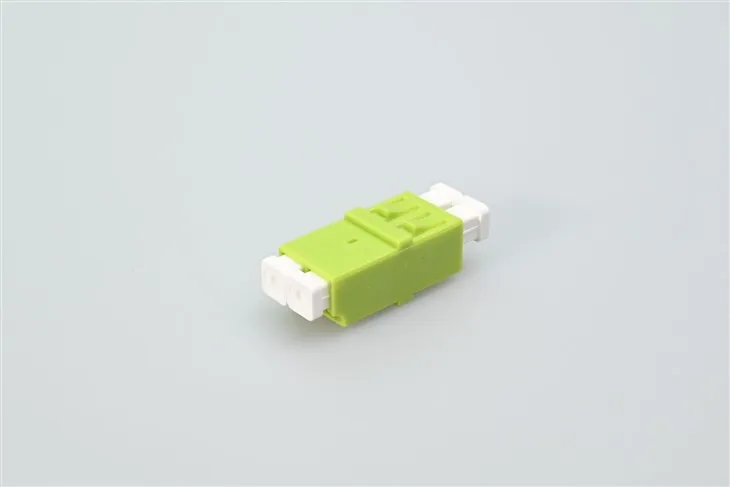
Factory Price Ftth Networking Lc - lc Duplex Fiber Adapter is also suitable for outdoor use in some cases. The LC adapter is known for its small size and high - density connectivity, making it a good option for applications where space is limited.
Conclusion
In conclusion, Fiber Optic MPO Adapters can be used in outdoor environments, but it requires careful consideration of the environmental challenges and the implementation of appropriate solutions. With the right design features, such as weather - resistant enclosures, sealed connections, and temperature - resistant materials, MPO adapters can provide reliable and high - performance optical connectivity in outdoor settings.
If you are interested in purchasing Fiber Optic MPO Adapters or other fiber optic components for your outdoor projects, please feel free to contact us for more information and to discuss your specific requirements. We are committed to providing high - quality products and excellent customer service to meet your needs.
References
- "Fiber Optic Communication Systems" by Govind P. Agrawal
- "Handbook of Fiber Optics" by Enrique J. Tarallo and James A. Harrington