As a seasoned supplier of Fiber Optic SC Pigtails, I've been frequently asked whether these pigtails can be used in fiber-to-the-home (FTTH) applications. In this blog post, I'll delve into the details to provide a comprehensive answer.
Understanding Fiber Optic SC Pigtails
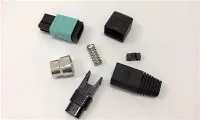
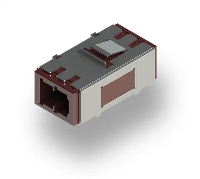
Before discussing their suitability for FTTH, it's essential to understand what Fiber Optic SC Pigtails are. An SC pigtail is a single, short, fiber optic cable terminated with an SC connector at one end and left bare at the other. The SC connector, known for its square shape and push-pull coupling mechanism, is widely used in fiber optic networks due to its ease of use, low insertion loss, and high repeatability.


The bare end of the pigtail is typically spliced to another fiber cable, either through fusion splicing or mechanical splicing. This allows for a secure and reliable connection that can transmit data over long distances with minimal signal loss.
Requirements for FTTH Applications
Fiber-to-the-home (FTTH) is a broadband network architecture that uses optical fiber to connect individual homes directly to the internet service provider's network. This technology offers high-speed internet access, with speeds ranging from hundreds of megabits per second to multiple gigabits per second.
For a component to be suitable for FTTH applications, it must meet several key requirements:
- High Performance: The component should have low insertion loss and high return loss to ensure efficient data transmission. Insertion loss refers to the amount of light that is lost as it passes through the component, while return loss measures the amount of light that is reflected back towards the source.
- Reliability: FTTH networks are expected to operate continuously for long periods without interruption. Therefore, the components used in these networks must be reliable and able to withstand environmental factors such as temperature, humidity, and vibration.
- Ease of Installation: Since FTTH installations often involve multiple connections in residential settings, the components should be easy to install and maintain. This includes having user-friendly connectors and splicing methods.
- Cost-Effectiveness: To make FTTH technology accessible to a wider range of consumers, the components used in these networks must be cost-effective without compromising on performance and reliability.
Can Fiber Optic SC Pigtails Meet the Requirements for FTTH?
Now, let's examine whether Fiber Optic SC Pigtails can meet the requirements for FTTH applications:
- High Performance: Fiber Optic SC Pigtails are designed to have low insertion loss and high return loss. The SC connector's precision alignment and high-quality polishing ensure that the light signal can pass through the connector with minimal loss. Additionally, the use of high-quality fiber optic cable further reduces signal attenuation, making SC pigtails suitable for high-speed data transmission in FTTH networks.
- Reliability: SC pigtails are known for their reliability. The push-pull coupling mechanism of the SC connector provides a secure and stable connection that is resistant to vibration and environmental factors. Moreover, the splicing of the pigtail to the main fiber cable creates a permanent and reliable connection that can withstand long-term use.
- Ease of Installation: The SC connector's simple push-pull design makes it easy to install and remove, even in tight spaces. This is particularly important in FTTH installations, where multiple connections may need to be made in a limited area. Additionally, the splicing process for SC pigtails is well-established and can be performed using either fusion splicing or mechanical splicing methods, depending on the specific requirements of the installation.
- Cost-Effectiveness: Fiber Optic SC Pigtails are relatively cost-effective compared to other types of fiber optic connectors. The widespread use of SC connectors in the industry has led to economies of scale, resulting in lower production costs. This makes SC pigtails an attractive option for FTTH applications, where cost is an important consideration.
Advantages of Using Fiber Optic SC Pigtails in FTTH
In addition to meeting the requirements for FTTH applications, Fiber Optic SC Pigtails offer several advantages:
- Compatibility: SC connectors are widely used in the fiber optic industry, making them compatible with a variety of other components and equipment. This means that SC pigtails can be easily integrated into existing FTTH networks or used in new installations without the need for additional adapters or converters.
- Versatility: SC pigtails are available in different fiber types, such as single-mode and multi-mode, as well as different lengths and colors. This allows for greater flexibility in designing and implementing FTTH networks to meet the specific needs of different applications.
- Future-Proofing: As the demand for high-speed internet continues to grow, FTTH networks are likely to evolve and expand. Fiber Optic SC Pigtails provide a future-proof solution that can support higher data rates and new technologies as they become available.
Other Fiber Optic Pigtails for FTTH
While Fiber Optic SC Pigtails are a popular choice for FTTH applications, there are other types of pigtails that can also be used:
- Lc Simplex Fiber Patch Cord: The LC connector is smaller than the SC connector, making it suitable for high-density applications. LC pigtails are often used in data centers and other environments where space is limited.
- Fiber Optic E2000 Pigtail: The E2000 connector features a shutter mechanism that protects the fiber end face from dust and damage. This makes E2000 pigtails ideal for harsh environments or applications where the connector may be exposed to contaminants.
- Fiber Optic St Pigtails: The ST connector uses a bayonet-style coupling mechanism, which provides a secure connection. ST pigtails are commonly used in older fiber optic networks and are still used in some industrial and military applications.
Conclusion
In conclusion, Fiber Optic SC Pigtails are well-suited for fiber-to-the-home (FTTH) applications. They meet the key requirements for high performance, reliability, ease of installation, and cost-effectiveness. Additionally, they offer several advantages, including compatibility, versatility, and future-proofing.
If you're considering using Fiber Optic SC Pigtails or other fiber optic components for your FTTH project, I encourage you to contact us for more information. Our team of experts can provide you with detailed product specifications, technical support, and competitive pricing. We're committed to helping you find the best solutions for your fiber optic network needs.
References
- "Fiber Optic Communication Systems," by Govind P. Agrawal
- "Handbook of Fiber Optics," edited by Richard A. Liebe
- Industry standards and specifications for fiber optic components and FTTH networks