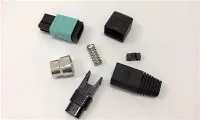
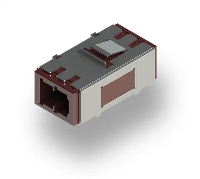
In the realm of modern telecommunications and data transmission, fiber optic technology has emerged as a cornerstone, offering unparalleled speed, bandwidth, and reliability. Among the various components of fiber optic systems, SC connectors stand out for their widespread use and versatility. As a leading supplier of Fiber Optic SC Connectors, I often encounter questions from customers regarding the susceptibility of these connectors to electromagnetic interference (EMI). In this blog post, I aim to delve into this topic, exploring the nature of fiber optic SC connectors, the concept of electromagnetic interference, and whether these connectors are affected by it.
Understanding Fiber Optic SC Connectors
Fiber optic SC connectors, also known as Subscriber Connector or Square Connectors, are a type of fiber optic connector widely used in telecommunications networks, data centers, and other high - speed communication applications. They feature a push - pull coupling mechanism, which makes them easy to install and remove. This design also ensures a stable and reliable connection, reducing the risk of signal loss due to improper mating.
The SC connector consists of a ceramic ferrule that holds the fiber in place with high precision. The end - face of the ferrule is polished to a high standard, minimizing reflections and maximizing the transmission of light signals through the fiber. These connectors are available in both single - mode and multi - mode versions, catering to different transmission distances and bandwidth requirements.
One of the key advantages of SC connectors is their compatibility with a wide range of fiber optic cables. They can be used with both loose - tube and tight - buffered cables, making them suitable for various installation environments. Whether it's a large - scale data center or a small - scale residential network, SC connectors offer a reliable solution for connecting fiber optic cables.
What is Electromagnetic Interference?
Electromagnetic interference is the disturbance that affects an electrical circuit due to either electromagnetic induction or electromagnetic radiation emitted from an external source. EMI can be caused by a variety of sources, including power lines, electrical motors, radio frequency transmitters, and even natural phenomena such as lightning.
There are two main types of EMI: conducted interference and radiated interference. Conducted interference occurs when the interference is transferred through electrical conductors, such as power cables or signal wires. Radiated interference, on the other hand, is transmitted through the air as electromagnetic waves.
EMI can have a significant impact on the performance of electrical and electronic systems. It can cause signal distortion, data errors, and even complete system failure in severe cases. In the context of telecommunications, EMI can disrupt the transmission of electrical signals, leading to poor voice quality, slow data transfer rates, and unreliable network connections.
Are Fiber Optic SC Connectors Affected by Electromagnetic Interference?
The short answer is no. Fiber optic SC connectors are not affected by electromagnetic interference. This is because fiber optic cables, which are used in conjunction with these connectors, transmit information using light signals rather than electrical signals.
Unlike traditional copper cables, which are highly susceptible to EMI, fiber optic cables are made of glass or plastic fibers that do not conduct electricity. Since there are no electrical currents flowing through the fibers, there is no way for electromagnetic fields to interfere with the transmission of light signals.
The light signals in fiber optic cables are confined within the core of the fiber by the principle of total internal reflection. This means that the light is guided along the fiber without being affected by external electromagnetic fields. As a result, fiber optic SC connectors can maintain a high level of signal integrity even in environments with high levels of EMI.
For example, in industrial settings where there are large electrical motors and power equipment, copper cables may experience significant interference, leading to data loss and communication disruptions. However, fiber optic cables with SC connectors can operate without any issues, providing a stable and reliable connection for critical applications.
In addition to being immune to EMI, fiber optic SC connectors also offer other advantages in terms of performance. They have low insertion loss, which means that very little light is lost as it passes through the connector. This results in high - quality signal transmission over long distances. They also have high return loss, which reduces reflections and improves the overall efficiency of the fiber optic system.
Applications of Fiber Optic SC Connectors in EMI - Prone Environments
The immunity of fiber optic SC connectors to EMI makes them ideal for a wide range of applications in environments where electromagnetic interference is a concern.
Data Centers
Data centers are home to a large number of servers, switches, and other networking equipment. These devices generate a significant amount of electromagnetic noise, which can interfere with the transmission of data if copper cables are used. Fiber optic SC connectors are widely used in data centers to connect servers, storage devices, and network switches. They ensure high - speed and reliable data transfer, even in the presence of strong electromagnetic fields.


Industrial Automation
In industrial automation, there are many electrical and electronic devices that generate EMI. Fiber optic SC connectors are used to connect sensors, controllers, and actuators in industrial control systems. They provide a reliable communication link between different components of the system, ensuring accurate and timely data transmission. For example, in a manufacturing plant, fiber optic SC connectors can be used to connect robotic arms to the control system, allowing for precise control and monitoring without the risk of EMI - induced errors.
Telecommunications Networks
Telecommunications networks often pass through areas with high levels of EMI, such as near power lines or radio towers. Fiber optic SC connectors are used in these networks to ensure reliable communication between different nodes. They are also used in fiber - to - the - home (FTTH) installations, where they provide high - speed internet access to residential customers without being affected by external electromagnetic interference.
Related Products
As a supplier of Fiber Optic SC Connectors, we also offer a range of related products that can enhance the performance of your fiber optic network. For example, we have Fiber Optic Lc Connectors, which are smaller in size and offer high - density connections. These connectors are suitable for applications where space is limited, such as in compact data centers or telecommunications equipment.
We also provide Fiber Optic Fast Connector Ftth Pre - embedded Sc, which are designed for quick and easy installation in FTTH networks. These connectors are pre - embedded with fiber, reducing the installation time and complexity.
In addition, our Fiber Optic Fast Connector Sc offers a fast and reliable solution for connecting fiber optic cables. They are easy to use and can be installed without the need for special tools or equipment.
Conclusion
In conclusion, fiber optic SC connectors are an excellent choice for applications where electromagnetic interference is a concern. Their immunity to EMI, combined with their high - performance characteristics, makes them a reliable and efficient solution for modern telecommunications and data transmission.
If you are in the market for high - quality fiber optic SC connectors or related products, we invite you to contact us for a procurement discussion. Our team of experts is ready to assist you in selecting the right products for your specific needs and ensuring a smooth and successful installation.
References
- Miller, O. F. (2009). Fiber to the Home: The Complete Guide to FTTx Technologies and Deployment. McGraw - Hill Professional.
- Keiser, G. (2013). Optical Fiber Communications. McGraw - Hill Education.
- Stallings, W. (2017). Data and Computer Communications. Pearson.