Hey there! As a supplier of Fiber Optic LC Pigtails, I've seen firsthand how easily these little guys can get damaged. But don't worry, I'm here to share some tips on how to protect them and keep your network running smoothly.
Understanding Fiber Optic LC Pigtails
First things first, let's talk a bit about what Fiber Optic LC Pigtails are. These are short, single - fiber cables with an LC connector on one end and a bare fiber on the other. They're used to connect fiber optic equipment like switches, routers, and servers. They're super important for ensuring a reliable and high - speed data connection.
Why Protect Them?
You might be wondering, “Why all the fuss about protecting these pigtails?” Well, fiber optic cables are extremely delicate. Even the tiniest bit of damage can lead to signal loss, which means slower data transfer and potential network downtime. And let's face it, in today's digital age, no one has time for that!
Proper Handling
One of the most important things you can do to protect your Fiber Optic LC Pigtails is to handle them properly. When you're installing or moving them around, make sure to be gentle. Avoid pulling or tugging on the cables too hard. Remember, they're not like regular copper cables; they can break easily if you're rough with them.
Also, always hold the pigtails by the connector or the jacket, not the bare fiber. The bare fiber is the most vulnerable part, and any physical damage to it can mess up the signal.
Storage
Proper storage is another key factor in protecting your pigtails. When they're not in use, store them in a clean, dry place. Avoid areas with high humidity, as moisture can cause corrosion and damage to the connectors.
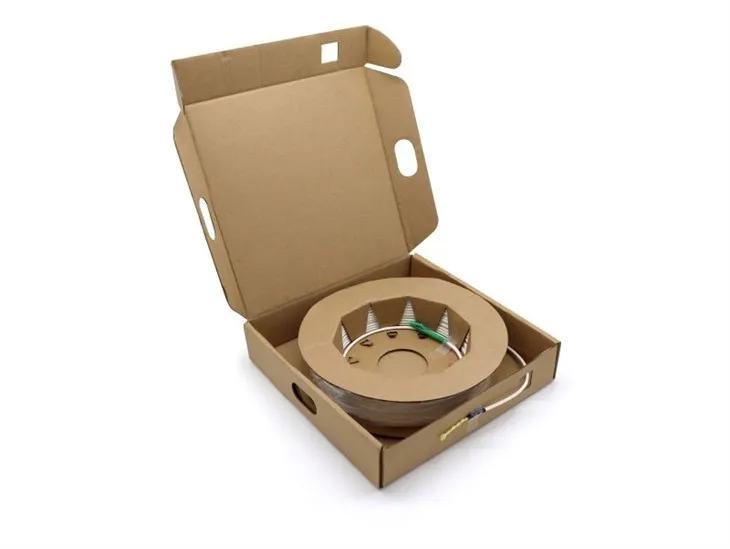
You can use cable organizers or storage boxes to keep them neatly arranged. This not only protects them from getting tangled but also makes it easier to find the right pigtail when you need it.
Connector Protection
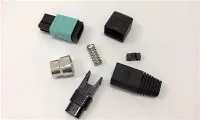
The connectors on Fiber Optic LC Pigtails are crucial for maintaining a good connection. To protect them, always use dust caps when the pigtails are not connected. Dust, dirt, and debris can accumulate on the connectors and cause signal interference.
When cleaning the connectors, use a proper fiber optic cleaning kit. Don't use just any old cloth or tissue, as they can leave behind lint or scratches on the connector surface. And make sure to follow the manufacturer's instructions for cleaning.
Avoiding Bending and Kinking
Fiber optic cables have a minimum bend radius. Bending them beyond this radius can cause signal loss. So, when you're routing the pigtails, make sure to use cable management tools like cable ties and clips to keep the cables at a proper curvature.
Avoid sharp bends or kinks in the cables. If you're working in a tight space, use bend - insensitive fiber optic cables, which can tolerate more bending without significant signal loss.
Environmental Protection
Your Fiber Optic LC Pigtails can be affected by the environment they're in. If they're installed outdoors, they need to be protected from the elements. Use weatherproof enclosures and cable jackets specifically designed for outdoor use.
In industrial settings, there might be exposure to chemicals, vibrations, or extreme temperatures. Make sure to choose pigtails that are rated for these conditions. For example, some pigtails are designed to withstand high temperatures or chemical exposure.
Regular Inspections
Regular inspections are a must - do. Check your pigtails for any signs of damage, such as cracks in the jacket, bent connectors, or frayed fibers. If you notice any issues, replace the pigtail immediately to prevent further problems.
You can use a fiber optic microscope to inspect the connectors for dirt or scratches. This will help you catch any potential issues early on.
Compatibility
Make sure that the Fiber Optic LC Pigtails you're using are compatible with your existing network equipment. Using incompatible pigtails can lead to poor signal quality and may even damage the equipment.
Before purchasing new pigtails, double - check the specifications of your network devices and choose pigtails that match those requirements.
Training
If you have a team working with the pigtails, make sure they're properly trained. They should know how to handle, install, and maintain the pigtails correctly. A little bit of training can go a long way in preventing damage and ensuring the longevity of your pigtails.
Related Products
If you're interested in other types of fiber optic pigtails, we also offer Lc Simplex Fiber Patch Cord and Fiber Optic St Pigtails. These products have their own unique features and uses, and they're also made with the same high - quality standards as our Fiber Optic Lc Pigtails.

Contact Us for Purchasing
If you're looking to buy high - quality Fiber Optic LC Pigtails or need more information about protecting them, feel free to reach out. We're always here to help you make the right choice for your network. Our team of experts can answer all your questions and guide you through the purchasing process.
References
- Fiber Optic Association. “Fiber Optic Cables: Installation and Maintenance Best Practices.”
- Corning Incorporated. “Protecting Fiber Optic Connectors and Cables.”