Hey there! As a supplier of Fiber Optic SC Connectors, I often get asked all sorts of questions about these little but crucial components. One question that's been popping up more frequently lately is, "Are Fiber Optic SC Connectors affected by air pressure changes?" Well, let's dig into this topic and find out.
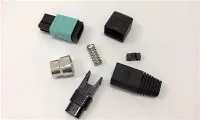
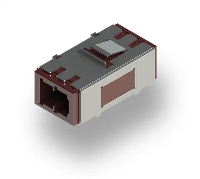
First off, let's quickly go over what Fiber Optic SC Connectors are. SC stands for Subscriber Connector, and it's a type of fiber - optic connector known for its push - pull coupling mechanism. These connectors are widely used in telecommunications, data centers, and other networking applications because they're easy to install and offer low insertion loss. You can learn more about them on our website: Fiber Optic Sc Connector.


Now, let's talk about air pressure. Air pressure can vary depending on a bunch of factors like altitude, weather conditions, and even the environment inside a building. For example, if you're in an airplane flying at high altitude, the air pressure is significantly lower than at sea level. Or, in a large data center with powerful air - conditioning systems, there could be some pressure differentials.
So, how does air pressure affect Fiber Optic SC Connectors? Well, to understand that, we need to look at the internal structure of these connectors. Inside an SC connector, there are two key parts: the ferrule, which holds the fiber optic cable in place, and the coupling mechanism that connects two connectors together.
When it comes to air pressure changes, the main concern is the potential for air to get trapped inside the connector or for the pressure differentials to cause physical stress on the components. At high altitudes or in low - pressure environments, the air inside the connector might expand. This expansion could potentially cause the ferrule to move slightly or affect the alignment of the fiber optic cables within the connector.
If the ferrule moves, it can lead to what's called misalignment. Misalignment between the fibers in two connected SC connectors can increase insertion loss. Insertion loss is basically the amount of light that's lost as it travels through the connector. And in a fiber - optic network, even a small increase in insertion loss can have a big impact on the signal quality and the overall performance of the network.
On the other hand, in high - pressure environments, the external pressure could potentially compress the connector. This compression might cause the coupling mechanism to become tighter, which could also lead to misalignment or even damage to the connector over time.
But here's the good news. Most modern Fiber Optic SC Connectors are designed to be pretty resilient to air pressure changes. Manufacturers take into account the potential for pressure differentials and design the connectors with materials and structures that can withstand normal variations in air pressure.
For example, the ferrules in high - quality SC connectors are made from materials like zirconia ceramic, which is very strong and has a low coefficient of thermal expansion. This means that it won't expand or contract too much in response to temperature and pressure changes. Also, the coupling mechanisms are engineered to maintain a stable connection even under some stress.
However, it's important to note that extreme air pressure changes can still pose a risk. If you're planning to use Fiber Optic SC Connectors in an environment with very high or very low air pressure, like in a high - altitude balloon or a deep - sea submarine, you might need to take some extra precautions.
One option is to use connectors that are specifically designed for extreme environments. There are some specialized Fiber Optic SC Connectors on the market that are built to handle more significant pressure differentials. These connectors often have additional seals and reinforcements to protect the internal components from the effects of air pressure.
Another option is to use pressure - equalizing devices. These devices can help to balance the air pressure inside and outside the connector, reducing the risk of damage due to pressure differentials.
Now, let's compare Fiber Optic SC Connectors with some other types of fiber - optic connectors in terms of their susceptibility to air pressure changes. Fiber Optic Lc Connectors are another popular type of connector. They're smaller than SC connectors and are often used in high - density applications. In general, LC connectors have a similar level of resilience to air pressure changes as SC connectors. Their internal structure is also designed to minimize the impact of pressure differentials.
Then there are Fiber Optic E2000 Connector. These connectors are known for their high - quality performance and enhanced protection features. The E2000 connectors have a shutter mechanism that protects the ferrule from dust and debris. In terms of air pressure, they're also designed to handle normal variations well, but like SC and LC connectors, extreme pressure changes can still be a concern.
In conclusion, while Fiber Optic SC Connectors are generally designed to withstand normal air pressure changes, extreme variations can potentially cause problems. It's important to consider the environment in which these connectors will be used and take appropriate measures to ensure their proper functioning.
If you're in the market for Fiber Optic SC Connectors or have any questions about how they perform in different environments, don't hesitate to reach out. We're here to help you choose the right connectors for your specific needs and ensure that your fiber - optic network runs smoothly. Whether you're setting up a small office network or a large - scale telecommunications infrastructure, we've got the expertise and the products to support you.
So, if you're interested in learning more or making a purchase, just drop us a line. We'll be happy to have a chat and discuss your requirements. Let's work together to build a reliable fiber - optic network that can handle whatever challenges come its way.
References
- Fiber Optic Communication Technology Handbook
- Research papers on the impact of environmental factors on fiber - optic connectors