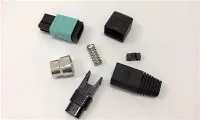
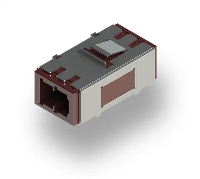
In today's rapidly evolving technological landscape, fiber optic technology has become an integral part of various industries, offering high - speed data transmission, low latency, and immunity to electromagnetic interference. As a supplier of Fiber Optic MPO Patchcords, I often receive inquiries about the potential applications of these patchcords, including whether they can be used in medical equipment. In this blog post, I will explore this question in detail, considering the unique requirements of the medical field and the capabilities of Fiber Optic MPO Patchcords.
Understanding Fiber Optic MPO Patchcords
Fiber Optic MPO (Multi - fiber Push - On) Patchcords are designed to provide a high - density, multi - fiber connection solution. They typically feature a MPO connector on one or both ends, which can house multiple optical fibers in a single connector. This design allows for efficient and rapid installation, making them ideal for data centers, telecommunications networks, and other high - volume applications.


The Fiber Optic Mpo Patchcord comes in different configurations, including single - mode and multi - mode options. Single - mode patchcords are suitable for long - distance transmission, while multi - mode patchcords are better for shorter distances and high - bandwidth applications. For example, the 12 Cassette 12 Fibers Om4 Multimode Mtp To 12 Lc Duplex Aqua is a popular multi - mode option that can support high - speed data transfer over relatively short distances.
Requirements of Medical Equipment
Medical equipment operates in a highly specialized environment with strict requirements. First and foremost, safety is of utmost importance. Any component used in medical devices must meet rigorous safety standards to ensure the well - being of patients and medical staff. This includes protection against electrical hazards, radiation, and other potential risks.
Reliability is another critical factor. Medical equipment often needs to operate continuously for extended periods without failure. A single malfunction can have serious consequences, so the components used must be highly reliable and have a long service life.
In addition, medical equipment may require high - speed data transmission for functions such as real - time imaging, remote monitoring, and data sharing. For example, in modern medical imaging systems like MRI and CT scanners, large amounts of data need to be transferred quickly and accurately to provide timely diagnoses.
Potential Applications of Fiber Optic MPO Patchcords in Medical Equipment
High - Speed Data Transmission
One of the main advantages of using Fiber Optic MPO Patchcords in medical equipment is their ability to provide high - speed data transmission. As mentioned earlier, medical imaging systems generate large amounts of data that need to be transferred rapidly. Fiber optic technology can handle these high - bandwidth requirements much more efficiently than traditional copper cables.
For instance, in a hospital's Picture Archiving and Communication System (PACS), which stores and manages medical images, Fiber Optic MPO Patchcords can be used to connect the imaging devices to the central server. This allows for quick transfer of images, reducing the time it takes for doctors to access and review them.
Immunity to Electromagnetic Interference
Medical equipment often operates in an environment with a lot of electromagnetic interference. For example, in an operating room, there are numerous electrical devices that can generate electromagnetic fields. These fields can interfere with the operation of sensitive medical equipment, leading to inaccurate readings or malfunctions.
Fiber optic cables are immune to electromagnetic interference, making them an ideal choice for use in medical equipment. They can ensure the integrity of data transmission, even in a noisy electromagnetic environment. This is particularly important for equipment such as electrocardiogram (ECG) monitors and other electrical - based diagnostic devices.
Miniaturization and High - Density Connectivity
Medical equipment is constantly evolving towards smaller and more compact designs. Fiber Optic MPO Patchcords offer a high - density connection solution, which is beneficial for miniaturized medical devices. The MPO connectors can house multiple fibers in a small space, allowing for more efficient use of limited real estate inside the equipment.
For example, in some portable medical devices, such as handheld ultrasound scanners, the use of Fiber Optic MPO Patchcords can help reduce the size and weight of the device while still maintaining high - speed data transfer capabilities.
Challenges and Considerations
While there are many potential benefits to using Fiber Optic MPO Patchcords in medical equipment, there are also some challenges and considerations that need to be addressed.
Cost
Fiber optic technology can be more expensive than traditional copper cables. This cost factor may be a deterrent for some medical equipment manufacturers, especially those on a tight budget. However, as the technology matures and economies of scale come into play, the cost of fiber optic components is gradually decreasing.
Installation and Maintenance
Installing and maintaining fiber optic cables requires specialized skills and tools. Medical equipment manufacturers may need to invest in training their technicians or hire external experts to handle the installation and maintenance of Fiber Optic MPO Patchcords. This can add to the overall cost and complexity of using fiber optic technology in medical equipment.
Regulatory Compliance
Medical equipment is subject to strict regulatory requirements. Any component used in medical devices must comply with relevant standards and regulations, such as those set by the Food and Drug Administration (FDA) in the United States. Manufacturers need to ensure that the Fiber Optic MPO Patchcords they use meet these regulatory requirements.
Conclusion
In conclusion, Fiber Optic MPO Patchcords have the potential to be used in medical equipment due to their high - speed data transmission capabilities, immunity to electromagnetic interference, and high - density connectivity. However, there are also challenges such as cost, installation and maintenance, and regulatory compliance that need to be carefully considered.
As a supplier of Fiber Optic Mpo Patchcord, we are committed to providing high - quality products that meet the needs of various industries, including the medical field. If you are a medical equipment manufacturer or are interested in exploring the use of fiber optic technology in your medical applications, we would be happy to discuss your requirements and provide you with suitable solutions. Contact us to start a procurement discussion and find out how our Fiber Optic MPO Patchcords can enhance the performance of your medical equipment.
References
- "Fiber Optic Communication Systems" by Govind P. Agrawal.
- "Medical Device Technology: Principles and Design" by Joseph D. Bronzino.
- Industry reports on fiber optic technology and medical equipment trends.