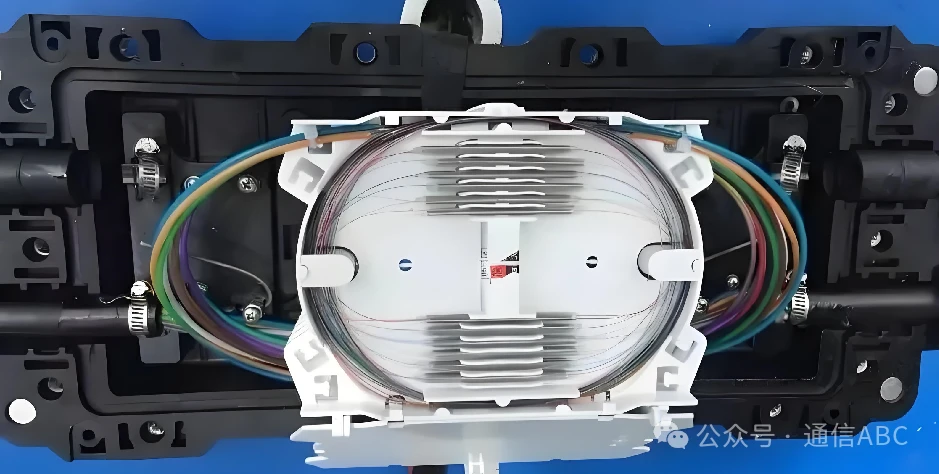
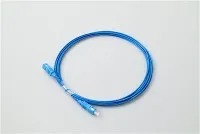
What is the purpose of fiber fusion splicing?
Make the fiber length longer. Let's first take a look at how optical fibers are connected without using fiber optic connectors.
To meet the application requirements of different environments, optical fibers are usually produced in the form of optical
cables with protective structures made of various materials added according to the needs.
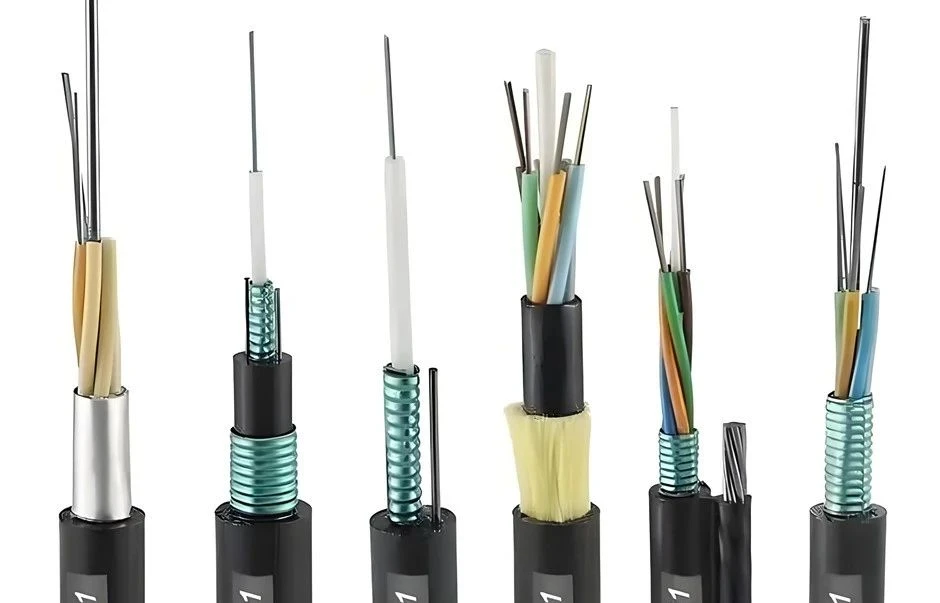
This type of optical cable is usually thicker, and in order to facilitate transportation and installation, the length of the cable is
usually controlled at around 2-3km.
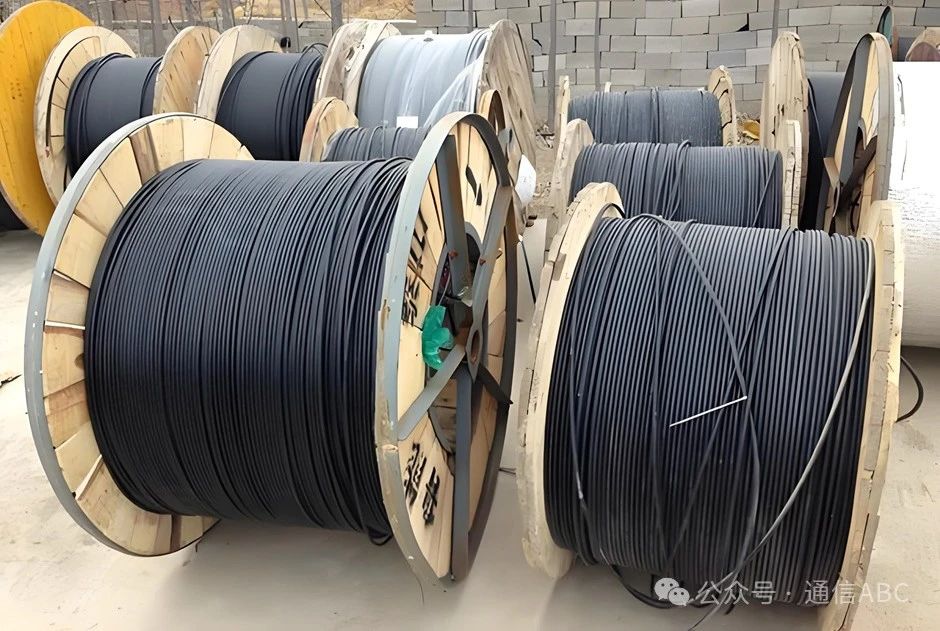
In order to form a longer fiber optic transmission line, it is necessary to connect these short optical cables section by section,
and the most common method of fiber optic connection is fusion splicing. We can understand fiber optic fusion by analogy
with two metal wires melting and connecting them into one. After fusion, the two fibers appear to be a longer fiber from a
physical structure. Of course, fiber optic fusion splicing is much more complex and requires much higher standards compared
to metal wire connections. This is only for the convenience of understanding.
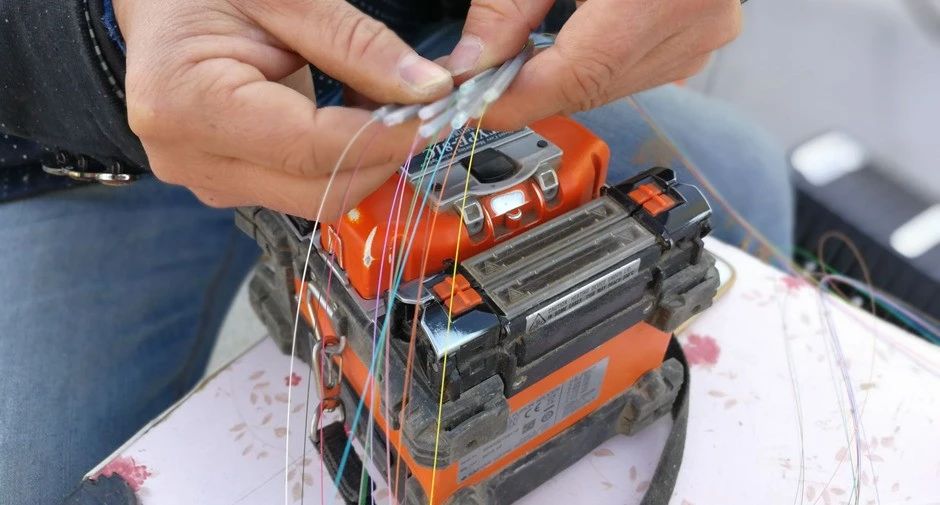
During the fusion process, cutting knives, fusion splicers, and other tools and instruments are required. In order to prolong
the use of the fiber at the fusion position, heat shrink tubing is usually used to protect and fix it