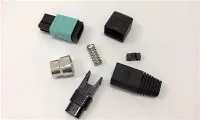
Hey there! As a supplier of Fiber Optic FC Connectors, I often get asked about the tools needed to install these connectors. In this blog, I'm gonna break down all the essential tools you'll need for a successful installation.
First off, let's talk about why installing Fiber Optic FC Connectors correctly is so important. These connectors are used to join optical fibers together, and a proper installation ensures low signal loss and high - performance transmission. A bad installation can lead to all sorts of problems, like reduced data transfer speeds and increased signal attenuation.
Stripping Tools
The very first step in installing a Fiber Optic FC Connector is to strip the outer layers of the fiber optic cable. You'll need a good quality fiber stripping tool for this. There are different types of stripping tools available in the market. Some are manual, while others are automatic.
Manual stripping tools are usually more affordable and are great for small - scale installations or for those who are just starting out. They require a bit of skill to use, but once you get the hang of it, they can do the job just fine. Automatic stripping tools, on the other hand, are more expensive but offer more precision and consistency. They're ideal for large - scale installations where speed and accuracy are crucial.
Cleaving Tools
After stripping the cable, the next step is to cleave the fiber. Cleaving is the process of cutting the fiber end to create a smooth, flat surface. This is a critical step because any roughness or irregularities on the fiber end can cause significant signal loss.
There are two main types of cleaving tools: mechanical and fusion cleavers. Mechanical cleavers are more commonly used because they're relatively inexpensive and easy to use. They work by scoring the fiber and then breaking it at the score line. Fusion cleavers, on the other hand, use heat to melt the fiber and create a smooth end. They're more accurate and produce better - quality cleaves, but they're also more expensive and require more training to operate.
Connector Installation Tools
Once the fiber is cleaved, it's time to install the FC connector. You'll need a connector installation tool for this. This tool is designed to hold the connector in place and align it with the fiber. It also helps in applying the right amount of pressure to ensure a secure connection.


Some connector installation tools are specific to certain types of connectors, so make sure you choose the right one for your Fiber Optic FC Connector. These tools often come with detailed instructions on how to use them, and it's important to follow these instructions carefully to avoid any installation errors.
Cleaning Tools
Cleaning is an often - overlooked but extremely important part of the installation process. Any dirt, dust, or debris on the fiber end or the connector can cause signal interference. So, you'll need some cleaning tools to keep everything clean.
Lint - free wipes are a must - have. You can use them to wipe the fiber end and the connector before and after installation. Isopropyl alcohol is also commonly used for cleaning. Just soak the wipe in a small amount of alcohol and gently clean the surfaces. There are also specialized fiber optic cleaning kits available that come with all the necessary cleaning tools, including brushes and cleaning solutions.
Inspection Tools
After installing the connector, it's important to inspect it to make sure everything is in order. You'll need an inspection tool for this. A fiber optic microscope is one of the most common inspection tools. It allows you to magnify the fiber end and the connector to check for any defects, such as scratches, cracks, or dirt.
Some fiber optic microscopes also come with built - in cameras, which can be useful for documenting the inspection results. There are also handheld inspection devices that are more portable and easier to use in the field.
Additional Tools and Accessories
In addition to the main tools mentioned above, there are some other tools and accessories that can come in handy during the installation process. For example, cable cutters are useful for cutting the fiber optic cable to the right length. Cable ties can be used to secure the cable and keep it organized.
Also, having a good set of safety equipment is essential. Safety glasses can protect your eyes from any flying debris during the installation process, and gloves can protect your hands from sharp edges.
Our Product Range
As a supplier of Fiber Optic FC Connectors, we also offer a wide range of related products. For instance, we have the Ftth Sc Optical Fiber Connector, which is a great option for FTTH applications. Our Fiber Optical Sm Sc Upc Fast Connector is known for its high - speed data transmission capabilities. And if you're looking for a fast and easy - to - install connector, our Ferrule Field Assembly Connector Fast/quick Connector is a top choice.
Conclusion
Installing a Fiber Optic FC Connector requires a variety of tools, from stripping and cleaving tools to cleaning and inspection tools. Each tool plays a crucial role in ensuring a successful installation. By using the right tools and following the proper installation procedures, you can achieve a high - quality connection with low signal loss.
If you're in the market for Fiber Optic FC Connectors or any of the tools mentioned in this blog, feel free to reach out to us. We're here to help you with all your fiber optic needs. Whether you're a small - scale installer or a large - scale network provider, we have the products and expertise to meet your requirements. Contact us today to start a procurement discussion and find the best solutions for your projects.
References
- "Fiber Optic Installation Handbook"
- Industry standards and guidelines for fiber optic connectors