In the ever - evolving landscape of high - speed networks, fiber optic technology has been at the forefront, driving faster data transfer and more reliable connections. As a supplier of Fiber Optic MU Patchcords, I've been getting a lot of questions about the speeds these patchcords can support. So, let's dive right in and explore the capabilities of Fiber Optic MU Patchcords in high - speed networks.
Basics of Fiber Optic MU Patchcords
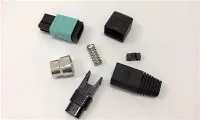
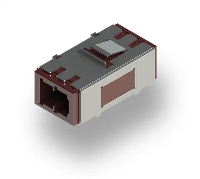
First off, let's talk a bit about what Fiber Optic MU Patchcords are. The MU connector, short for Miniature Unit, is a small - form - factor fiber optic connector. It's known for its compact size, which allows for high - density installations. These patchcords are made up of optical fibers that transmit data in the form of light signals. They're used to connect various network devices like switches, routers, and servers, enabling seamless data flow.
Speeds Supported by Fiber Optic MU Patchcords
The speeds that Fiber Optic MU Patchcords can support depend on several factors, including the type of fiber (single - mode or multi - mode), the quality of the patchcord, and the network equipment they're paired with.
Multi - mode Fiber Optic MU Patchcords
Multi - mode fiber (MMF) is designed to carry multiple light rays (modes) simultaneously. It's commonly used in short - distance applications, such as within a building or a campus network.


- 1 Gigabit per Second (Gbps): This is a relatively common speed for many local area networks (LANs). Multi - mode Fiber Optic MU Patchcords can easily support 1 Gbps speeds over distances of up to a few hundred meters. For small businesses or home networks, this speed is often sufficient for day - to - day operations like file sharing, email, and web browsing.
- 10 Gigabits per Second (Gbps): With the increasing demand for higher - speed data transfer, 10 Gbps has become a popular choice for many enterprise networks. Multi - mode Fiber Optic MU Patchcords can support 10 Gbps speeds, but the distance is limited. For example, OM3 multi - mode fiber can support 10 Gbps up to about 300 meters, while OM4 can go up to around 400 meters. This makes them ideal for connecting servers within a data center or for high - speed LAN connections.
- 40 Gigabits per Second (Gbps) and 100 Gigabits per Second (Gbps): To achieve these ultra - high speeds, multi - mode Fiber Optic MU Patchcords need to be used in conjunction with advanced network equipment. For 40 Gbps and 100 Gbps, parallel optics are often employed, where multiple fibers are used to transmit data simultaneously. OM4 multi - mode fiber can support 40 Gbps up to about 100 meters and 100 Gbps up to around 70 meters. If you're interested in high - speed solutions like this, you might also want to check out 40g Qsfp+ Active Optical Cable (aoc).
Single - mode Fiber Optic MU Patchcords
Single - mode fiber (SMF) is designed to carry a single light ray (mode). It's used for long - distance applications, such as connecting different buildings or cities.
- 10 Gigabits per Second (Gbps): Single - mode Fiber Optic MU Patchcords can support 10 Gbps speeds over much longer distances compared to multi - mode fiber. They can easily handle 10 Gbps over distances of several kilometers, making them suitable for wide area networks (WANs) and long - haul connections.
- 40 Gigabits per Second (Gbps) and 100 Gigabits per Second (Gbps): Single - mode fiber is the go - to choice for achieving 40 Gbps and 100 Gbps speeds over long distances. With the right network equipment, single - mode Fiber Optic MU Patchcords can support these speeds over tens of kilometers. This is crucial for data centers that need to connect to remote locations or for service providers offering high - speed internet access over large areas.
Factors Affecting Speed
It's important to note that the actual speeds you can achieve with Fiber Optic MU Patchcords may be affected by several factors:
- Fiber Quality: The quality of the optical fiber used in the patchcord can have a significant impact on speed. Higher - quality fibers have lower attenuation (signal loss), which allows for faster and more reliable data transfer.
- Connector Quality: The MU connectors on the patchcord need to be of high quality. Poorly made connectors can cause signal reflection and loss, reducing the overall speed and performance of the network.
- Network Equipment: The network equipment, such as switches and routers, also plays a crucial role. If your equipment is not capable of supporting high - speed data transfer, the patchcords won't be able to reach their full potential.
Comparing with Other Fiber Optic Patchcords
Fiber Optic MU Patchcords are just one type of fiber optic patchcord available in the market. Let's compare them with a couple of other popular types:
- Fiber Optic Mtrj Patchcord: The MTRJ connector is also a small - form - factor connector. However, it has a different design compared to the MU connector. While both can support high - speed data transfer, the MU connector is often preferred for high - density installations due to its smaller size. You can learn more about Fiber Optic Mtrj Patchcord.
- Fiber Optic St Jumper Leads: The ST connector is an older type of fiber optic connector. It's larger in size compared to the MU connector and is typically used in older networks. While it can support various speeds, it's not as suitable for high - density or high - speed applications as the MU connector. Check out Fiber Optic St Jumper Leads for more details.
Conclusion and Call to Action
In conclusion, Fiber Optic MU Patchcords are a great choice for high - speed networks, whether you need short - distance, multi - mode connections or long - distance, single - mode connections. They can support speeds ranging from 1 Gbps to 100 Gbps, depending on the type of fiber and the network requirements.
If you're in the market for Fiber Optic MU Patchcords or have any questions about the speeds they can support in your specific network, don't hesitate to reach out. We're here to help you find the right solution for your high - speed network needs. Whether you're a small business looking to upgrade your LAN or a large enterprise building a new data center, we've got the expertise and the products to meet your requirements.
References
- "Fiber Optic Communication Systems" by Govind P. Agrawal
- "Optical Fiber Technology: Research and Applications" by various authors