Hey there! As a supplier of Fiber Optic SC Patch Cords, I often get asked about the temperature range for their operation. It's a crucial question because the performance of these patch cords can be significantly affected by the temperature. So, let's dive right into it.
Why Temperature Matters for Fiber Optic SC Patch Cords
First off, fiber optic cables, including SC patch cords, are made of glass or plastic fibers that transmit light signals. Temperature changes can cause these fibers to expand or contract. When the fibers expand or contract, it can lead to micro - bending, which in turn can increase signal loss. This means that if the temperature is outside the recommended range, the quality of the data transmission can be seriously degraded.
Typical Temperature Range for Operation
The typical temperature range for the operation of Fiber Optic SC Patch Cords is usually between -20°C and 60°C. This range is designed to ensure that the patch cords can function properly in a variety of environments.
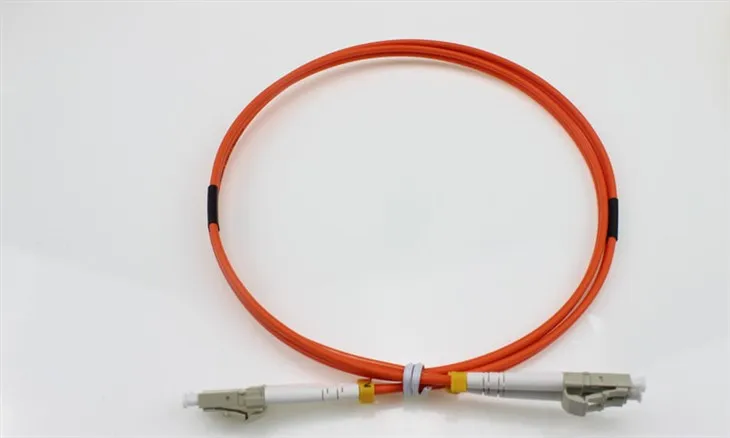
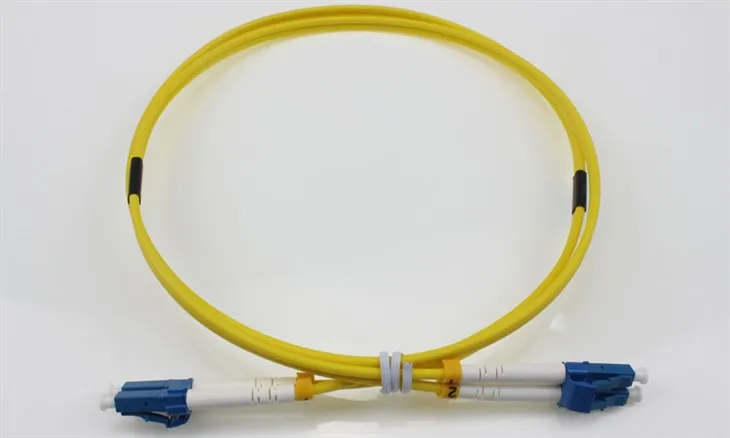
In indoor settings, the temperature is usually well - controlled, and it's easy to keep the temperature within this range. For example, in a data center, the air - conditioning systems are set up to maintain a stable temperature, typically around 20 - 25°C. This is an ideal environment for Fiber Optic SC Patch Cords as the temperature is well within the recommended range, and the patch cords can operate with minimal signal loss.
However, in outdoor settings, things get a bit more complicated. The temperature can vary widely depending on the season and the geographical location. In winter, in cold regions, the temperature can drop well below -20°C, while in summer, especially in desert areas, it can soar above 60°C. When the temperature goes outside the normal operating range, special precautions need to be taken.
Impact of Low Temperatures
When the temperature drops below -20°C, the fibers in the SC patch cords become more brittle. This increases the risk of breakage, especially if the patch cords are subjected to any kind of mechanical stress, such as bending or pulling. Also, the connectors can become less reliable as the materials they are made of contract. This can lead to poor connections and increased signal loss.
Impact of High Temperatures
On the other hand, high temperatures above 60°C can cause the protective jacket of the patch cord to soften. This can expose the fibers inside to damage from external factors such as moisture and dust. Moreover, the high temperature can also cause the refractive index of the fibers to change, which can disrupt the light signal transmission.
Extended Temperature Range Options
For applications where the patch cords need to operate in extreme temperatures, there are options available. Some manufacturers, including us, offer Fiber Optic SC Patch Cords with an extended temperature range. These patch cords are designed with special materials and manufacturing processes to withstand temperatures as low as -40°C and as high as 85°C.
For example, in a military application, the patch cords may need to operate in very harsh environments, including extreme cold in polar regions or extreme heat in desert combat zones. Our extended - temperature - range SC patch cords are a great solution for such scenarios.
Choosing the Right Patch Cord for Your Temperature Needs
When you're choosing a Fiber Optic SC Patch Cord, it's important to consider the temperature conditions of the environment where it will be used. If you're using it in a normal indoor environment, a standard patch cord with a temperature range of -20°C to 60°C should be sufficient. But if you're dealing with extreme temperatures, you should opt for the extended - temperature - range patch cords.
We also offer a wide range of other fiber optic products, such as Fiber Optic Fanout Pigtail Sc Apc, Fiber Optic Lc Fiber Jumper, and Fiber Optic Patch Cord Mtp To Lc Upc 8core Om4 3.0mm. These products are also designed to perform well within specific temperature ranges, and we can help you choose the right one for your needs.
Conclusion and Call to Action
In conclusion, understanding the temperature range for Fiber Optic SC Patch Cord operation is crucial for ensuring reliable data transmission. Whether you need a standard - temperature - range patch cord for a normal indoor application or an extended - temperature - range one for extreme environments, we've got you covered.
If you're in the market for Fiber Optic SC Patch Cords or any of our other fiber optic products, don't hesitate to reach out to us. We're here to help you find the best solution for your specific requirements. We can provide you with detailed product information, technical support, and competitive pricing. So, contact us today to start the procurement process and let's work together to meet your fiber optic needs.
References
- “Fiber Optic Cable Installation and Maintenance Guide”
- Industry standards and research papers on fiber optic technology