Hey there! As a supplier of Fiber Optic SC Patch Cords, I've seen firsthand how crucial it is to pick the right one for your needs. In this blog, I'll share some tips and tricks to help you make an informed decision.
Understanding the Basics
First off, let's talk about what a Fiber Optic SC Patch Cord is. It's a cable used to connect different fiber optic devices, like switches, routers, and servers. The "SC" stands for Subscriber Connector, which is a type of connector commonly used in fiber optic networks. These patch cords are known for their high performance, reliability, and ease of use.
Factors to Consider
1. Fiber Type
There are two main types of fiber used in patch cords: single - mode fiber (SMF) and multi - mode fiber (MMF). Single - mode fiber is designed for long - distance transmissions, typically over several kilometers. It has a smaller core diameter, which allows for a single mode of light to travel through it. This results in less signal loss and higher bandwidth over long distances. On the other hand, multi - mode fiber is better suited for short - distance applications, usually within a building or a campus. It has a larger core diameter, which can support multiple modes of light. If you're setting up a network in a small office or a data center for short - range connections, multi - mode fiber might be the way to go. But if you need to connect buildings or cover long distances, single - mode fiber is your best bet.
2. Connector Quality
The connector is a critical part of the patch cord. A high - quality connector ensures a low - loss connection and reliable performance. Look for connectors that are well - made, with precision - polished ferrules. The ferrule is the part of the connector that holds the fiber in place. A good ferrule should have a smooth surface and be accurately aligned with the fiber. Also, consider the type of connector termination. There are two common types: physical contact (PC) and angled physical contact (APC). PC connectors are suitable for most general - purpose applications, while APC connectors are better for applications where minimizing back - reflection is crucial, such as in some telecommunications networks.
3. Cable Jacket
The cable jacket protects the fiber inside from environmental factors like moisture, dust, and physical damage. There are different types of cable jackets available, each with its own advantages. For example, a PVC (Polyvinyl Chloride) jacket is commonly used and is relatively inexpensive. It's suitable for indoor applications where fire safety requirements are not extremely strict. However, if you need a more fire - resistant option, especially for plenum spaces (the areas between floors and ceilings used for air circulation), you might want to consider a low - smoke zero - halogen (LSZH) jacket. LSZH jackets emit less smoke and toxic fumes in case of a fire, making them a safer choice for commercial buildings.


4. Length
Choosing the right length of the patch cord is important. You don't want a cord that's too short, as it might not reach the intended connection points. On the other hand, a cord that's too long can lead to unnecessary signal loss and clutter. Measure the distance between the devices you want to connect and add a little extra length to account for any bends or slack. It's better to have a slightly longer cord than one that's too short.
5. Bandwidth Requirements
Your network's bandwidth requirements play a significant role in choosing the right patch cord. If you're running a high - speed network, such as a 10 Gigabit Ethernet or 40 Gigabit Ethernet network, you'll need a patch cord that can support the required bandwidth. Make sure to check the specifications of the patch cord to ensure it meets your network's speed and bandwidth needs.
Compatibility with Other Components
It's essential to ensure that the Fiber Optic SC Patch Cord is compatible with other components in your network. This includes the devices you're connecting, such as switches and routers, as well as other fiber optic cables and connectors. Check the device's documentation to see what type of fiber and connectors it supports. For example, some older devices might only support certain types of multi - mode fiber or specific connector types.
Cost - Benefit Analysis
Of course, cost is always a factor when making a purchase. While it might be tempting to go for the cheapest option, remember that quality is important. A low - quality patch cord might save you money upfront but could lead to performance issues and higher maintenance costs in the long run. Compare the prices of different patch cords from various suppliers, but also consider the quality, reliability, and warranty offered. A slightly more expensive patch cord from a reputable supplier might be a better investment in the long term.
Some Product Examples
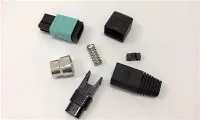
If you're looking for other related fiber optic products, we also offer Mpo/mpo - om3 - 12f - 3.0mm - lszh - 1m, which is great for high - density applications. And for those who need different types of connectors, our Fiber Optic E2000 Jumper Leads and Fiber Optic Fc Patch Cable are worth considering.
Conclusion
Choosing the right Fiber Optic SC Patch Cord is not as complicated as it might seem. By considering factors like fiber type, connector quality, cable jacket, length, bandwidth requirements, compatibility, and cost - benefit, you can make an informed decision. If you have any questions or need further assistance in choosing the right patch cord for your network, don't hesitate to reach out to us. We're here to help you find the best solution for your specific needs. Whether you're a small business owner setting up a new network or an IT professional upgrading an existing one, we can provide you with high - quality Fiber Optic SC Patch Cords that meet your requirements. So, if you're ready to take the next step in improving your network's performance, contact us for a purchase negotiation. We look forward to working with you!
References
- Cisco. "Fiber Optic Cabling Basics."
- Corning. "Fiber Optic Technology Guide."