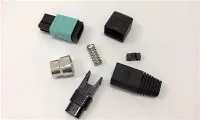
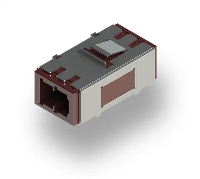
As a supplier of fiber optic patch cords, one question I often encounter from customers is whether these cords are waterproof. This is a crucial query, especially for those planning to use fiber optic patch cords in outdoor or harsh environments where exposure to water is a possibility. In this blog post, I'll delve into the science behind the waterproof capabilities of fiber optic patch cords, explore different types of cords and their resistance to water, and provide guidance on choosing the right cords for wet conditions.
The Basics of Fiber Optic Patch Cords
Before discussing waterproofing, let's briefly review what fiber optic patch cords are. These cords are used to connect various fiber optic equipment, such as switches, routers, and servers. They consist of a fiber optic cable surrounded by a protective jacket and terminated with connectors at both ends. The fiber optic cable itself is made of thin strands of glass or plastic that transmit data as light signals.
The performance of fiber optic patch cords depends on several factors, including the quality of the fiber, the type of connectors, and the protective jacket. The jacket plays a vital role in protecting the fiber from physical damage, environmental factors, and moisture.
Understanding Waterproofing in Fiber Optic Patch Cords
Waterproofing in fiber optic patch cords refers to the ability of the cord to resist the ingress of water and moisture. When water enters a fiber optic cable, it can cause several problems. Firstly, water can damage the fiber itself, leading to signal loss or even complete failure of the cable. Secondly, moisture can corrode the connectors, which can also degrade the signal quality.
There are different levels of waterproofing for fiber optic patch cords. Some cords are designed to be water - resistant, which means they can withstand light exposure to water, such as splashes or brief immersion. Others are fully waterproof, capable of withstanding long - term immersion in water.
Types of Fiber Optic Patch Cords and Their Waterproof Capabilities
Standard Indoor Fiber Optic Patch Cords
Standard indoor fiber optic patch cords, such as those used in data centers or office buildings, are not typically waterproof. These cords have a thin protective jacket that is mainly designed to protect the fiber from physical damage and dust. They are not suitable for outdoor use or environments where they may come into contact with water.
Outdoor Fiber Optic Patch Cords
Outdoor fiber optic patch cords are specifically designed to withstand harsh environmental conditions, including exposure to water. These cords usually have a thicker and more durable jacket made of materials such as polyethylene or polyvinyl chloride (PVC). The jacket is often filled with a gel or other water - blocking materials to prevent water from penetrating the cable.
For example, our Fiber Optic Fanout Pigtail Sc Apc is available in outdoor versions that are highly water - resistant. The design of this patch cord includes a tight - buffer construction and a rugged outer jacket that provides excellent protection against moisture and physical damage.
Armored Fiber Optic Patch Cords
Armored fiber optic patch cords offer an extra layer of protection against water and physical damage. They have a metal or plastic armor layer between the fiber and the outer jacket. The armor not only protects the fiber from being crushed or cut but also helps to keep water out.
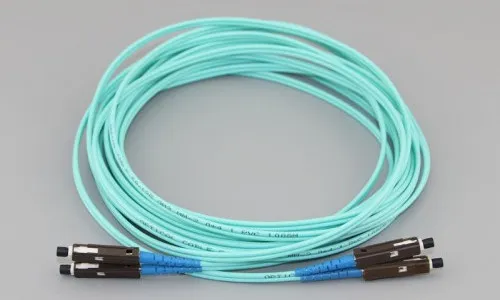
Our Fiber Optic Mu Patchcord is available in an armored version. The armor provides an additional barrier against water, making it suitable for applications where the cord may be exposed to wet conditions, such as in underground ducts or near water sources.
Submarine Fiber Optic Patch Cords
Submarine fiber optic patch cords are the most waterproof type of fiber optic patch cords. They are designed for use in underwater applications, such as connecting undersea communication cables or sensors. These cords are built to withstand high pressures and long - term immersion in water. They have multiple layers of protection, including a hermetically sealed outer jacket and special water - blocking materials.
Factors Affecting Waterproofing
Several factors can affect the waterproofing capabilities of fiber optic patch cords:

Jacket Material
The material of the outer jacket is a crucial factor. As mentioned earlier, materials like polyethylene and PVC are commonly used for outdoor and waterproof cords because they have good resistance to water and environmental factors.
Sealing of Connectors
The connectors at the ends of the fiber optic patch cord must also be properly sealed to prevent water from entering. High - quality connectors are often designed with gaskets or other sealing mechanisms to ensure a watertight connection.
Installation
Proper installation is essential for maintaining the waterproofing of fiber optic patch cords. If the cords are not installed correctly, for example, if the jacket is damaged during installation or the connectors are not properly seated, water can enter the cable.
Testing the Waterproofing of Fiber Optic Patch Cords
To ensure the quality and waterproofing of our fiber optic patch cords, we conduct various tests. One common test is the immersion test, where the cord is immersed in water for a specified period of time at a certain depth. After the immersion, the cord is tested for signal loss and other performance parameters.
Another test is the moisture penetration test, which measures the amount of moisture that can penetrate the cable over time. These tests help us to guarantee that our Fiber Optic Lc Fiber Jumper and other patch cords meet the required waterproofing standards.
Choosing the Right Waterproof Fiber Optic Patch Cord
When choosing a waterproof fiber optic patch cord, you need to consider several factors:
Application Environment
Determine the specific environment where the cord will be used. If it's an outdoor environment with occasional splashes, a water - resistant cord may be sufficient. However, if the cord will be submerged in water for long periods, a fully waterproof or submarine - grade cord is required.
Required Performance
Consider the signal requirements of your application. Some applications may tolerate a small amount of signal loss, while others require high - quality, stable signals. Make sure the waterproof cord you choose can meet your performance needs.
Cost
Waterproof fiber optic patch cords are generally more expensive than standard indoor cords. You need to balance your budget with the requirements of your project.
Conclusion
In conclusion, not all fiber optic patch cords are waterproof. Standard indoor cords are not suitable for wet environments, while outdoor, armored, and submarine cords are designed to resist water to different degrees. As a supplier of fiber optic patch cords, we offer a wide range of products with different levels of waterproofing to meet the diverse needs of our customers.
If you are looking for high - quality fiber optic patch cords for your project, whether it's a simple indoor installation or a complex outdoor or underwater application, we are here to help. We can provide you with detailed product information and technical support to ensure you choose the right cords for your needs. Contact us to start a procurement discussion and find the best fiber optic patch cord solutions for your business.
References
- "Fiber Optic Cable Engineering and Installation" by Paul E. Green
- Industry standards for fiber optic cables and patch cords, such as those set by the Telecommunications Industry Association (TIA) and the International Electrotechnical Commission (IEC).