Hey there! As a supplier of Fiber Optic ST Pigtails, I often get asked about splicing loss when it comes to these little but crucial components in the fiber - optic world. So, let's dig into what splicing loss is and why it matters when splicing Fiber Optic ST Pigtails.
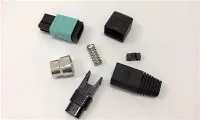
First off, what are Fiber Optic ST Pigtails? They're short lengths of fiber optic cable with an ST connector on one end. These pigtails are super handy in lots of fiber - optic networks. You can use them to connect different fiber - optic equipment, like switches, routers, and servers. They're also great for terminating fiber optic cables in patch panels.
Now, let's talk about splicing. Splicing is the process of joining two fiber optic cables together. There are two main types of splicing: fusion splicing and mechanical splicing. Fusion splicing uses heat to melt and fuse the two fiber ends together, creating a very low - loss connection. Mechanical splicing, on the other hand, uses mechanical means to align and hold the two fiber ends in place.
Splicing loss is basically the amount of light that gets lost when you splice two fiber optic cables. It's measured in decibels (dB). A lower splicing loss is always better because it means more light can travel through the spliced connection, which is crucial for maintaining good signal quality in the fiber - optic network.
There are several factors that can cause splicing loss when working with Fiber Optic ST Pigtails.
1. Fiber Core Misalignment
The core of a fiber optic cable is where the light travels. If the cores of the two fibers being spliced aren't perfectly aligned, some of the light will escape, leading to splicing loss. This misalignment can happen due to improper handling during the splicing process. For example, if the fibers aren't cut straight or if the splicing machine doesn't align them correctly, the core misalignment can be significant.
2. End - Face Imperfections
The end - faces of the fibers being spliced need to be smooth and clean. Any scratches, dirt, or debris on the end - faces can cause light to scatter, resulting in splicing loss. Even a tiny speck of dust can have a noticeable impact on the splicing loss. That's why it's so important to clean the fiber ends thoroughly before splicing.
3. Different Fiber Types
Not all fiber optic cables are the same. There are different types of fibers with different core diameters, refractive indices, and other characteristics. If you try to splice two different types of fibers, it can lead to significant splicing loss. For example, splicing a single - mode fiber with a multi - mode fiber will likely result in a high splicing loss because they have different optical properties.
4. Splicing Technique
The way you splice the fibers also matters. If you're using fusion splicing, the parameters of the fusion splicer, such as the arc power and duration, need to be set correctly. Incorrect settings can lead to a poor splice and higher splicing loss. In mechanical splicing, proper alignment and clamping of the fibers are essential.
So, how can you minimize splicing loss when splicing Fiber Optic ST Pigtails?
1. Use High - Quality Equipment
Invest in good quality splicing machines and tools. A high - end fusion splicer can provide more accurate alignment and better fusion, resulting in lower splicing loss. Also, use high - quality fiber optic cables and connectors. Cheaper components may have more manufacturing defects, which can increase splicing loss.
2. Proper Training
Make sure the technicians performing the splicing are well - trained. They should know how to handle the fibers properly, clean the end - faces, and operate the splicing equipment correctly. Training can also help them identify and troubleshoot any issues that may arise during the splicing process.
3. Quality Control
Implement a quality control process to check the splicing loss after each splice. You can use an optical time - domain reflectometer (OTDR) or a light source and power meter to measure the splicing loss. If the loss is too high, the splice may need to be redone.
In the fiber - optic market, we also offer other types of pigtails, such as Fiber Optic LC Pigtails, Fiber Optic E2000 Pigtail, and Fiber optic FC pigtail. Each type has its own unique features and applications, but they all share the same importance of minimizing splicing loss for optimal network performance.
If you're in the market for Fiber Optic ST Pigtails or any of our other fiber - optic products, we're here to help. Whether you're building a new fiber - optic network or upgrading an existing one, we can provide you with high - quality products and professional advice. We understand the importance of low splicing loss and can offer solutions to ensure your fiber - optic connections are as efficient as possible.


Don't hesitate to reach out to us if you have any questions or if you're interested in a purchase. We're always happy to have a chat and discuss how we can meet your fiber - optic needs.
References
- "Fiber Optic Communication Systems" by Govind P. Agrawal
- "Optical Fiber Technology: Research and Applications" various authors