As a supplier of Fiber Optic ST Pigtails, I often get asked about the maximum compression stress these little wonders can handle. So, let's dive right into it and explore this topic in detail.
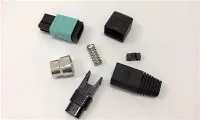
First off, let's understand what Fiber Optic ST Pigtails are. They're an essential part of fiber optic networks. These pigtails consist of a short length of fiber optic cable with a pre - installed ST connector at one end. The ST connector is a popular choice in the industry because of its bayonet - style coupling, which provides a quick and secure connection.
Now, back to the main question: What's the maximum compression stress that Fiber Optic ST Pigtails can withstand? Well, it depends on several factors.
Factors Affecting Compression Stress Tolerance
1. Cable Design
The design of the fiber optic cable in the pigtail plays a huge role. There are different types of cable constructions, like loose - tube and tight - buffered cables. Loose - tube cables have the fiber optic strands floating inside a protective tube filled with a gel. This design provides excellent protection against environmental factors but may have a different compression stress tolerance compared to tight - buffered cables. Tight - buffered cables have a more direct contact between the fiber and the outer jacket, which can affect how they handle compression.
2. Fiber Type
There are single - mode and multi - mode fibers. Single - mode fibers are designed for long - distance transmission, while multi - mode fibers are better for short - distance applications. The internal structure of these fibers is different, and this can influence their ability to withstand compression. Single - mode fibers are generally more delicate and may have a lower compression stress limit compared to multi - mode fibers.
3. Connector Quality
The quality of the ST connector is crucial. A well - made connector with proper alignment and a good fit will distribute the stress more evenly along the fiber. If the connector is poorly made, it can cause stress concentrations at certain points, which can lead to fiber breakage even at relatively low compression stresses.
Typical Compression Stress Limits
In general, most high - quality Fiber Optic ST Pigtails can withstand a compression stress of around 100 - 200 N/cm² (Newtons per square centimeter). However, this is just a rough estimate. Some specially designed pigtails, which are built for more rugged environments, can handle higher compression stresses, up to 300 N/cm² or even more.
For example, if you're using Fiber Optic ST Pigtails in a data center where they're likely to be bundled together and subject to some pressure from cable management systems, a pigtail that can handle a compression stress of around 150 N/cm² would be sufficient. But if you're installing them in an industrial environment where there might be heavy machinery vibrations and potential physical impacts, you'd want a pigtail with a higher compression stress tolerance.
Testing Compression Stress
To determine the exact maximum compression stress that a particular batch of Fiber Optic ST Pigtails can withstand, we conduct rigorous testing. We use specialized equipment that applies a gradually increasing compression force to the pigtails while monitoring the optical performance. If there's a significant increase in signal loss or a complete break in the fiber, we note down the compression stress at that point.
It's important to note that during testing, we also take into account other factors like temperature and humidity. These environmental conditions can affect the mechanical properties of the fiber and the connector, so we test the pigtails under different environmental scenarios to get a comprehensive understanding of their performance.
Comparing with Other Pigtail Types
When it comes to fiber optic pigtails, there are other popular types like Fiber Optic Lc Pigtails and Fiber Optic Fc Pigtail. Each type has its own characteristics in terms of compression stress tolerance.
Fiber Optic Lc Pigtails typically have a similar compression stress tolerance range as ST pigtails. However, due to their smaller size and different connector design, they may require more careful handling during installation to avoid excessive compression.
Fiber Optic Fc Pigtail usually have a slightly higher compression stress tolerance because of their threaded connector design, which provides a more secure and evenly distributed connection. But again, this can vary depending on the specific cable and fiber used in the pigtail.
Importance of Understanding Compression Stress
Understanding the maximum compression stress that Fiber Optic ST Pigtails can withstand is crucial for several reasons. Firstly, it helps in proper installation. If you know the compression stress limit, you can ensure that the pigtails are installed in a way that they're not subjected to excessive pressure. This reduces the risk of signal loss and fiber breakage, which can be very costly to repair.


Secondly, it's important for network planning. If you're designing a large - scale fiber optic network, you need to choose the right pigtails based on the expected environmental conditions and the amount of physical stress they'll be exposed to. This ensures the long - term reliability of the network.
Our Offerings
As a supplier of Fiber Optic St Pigtails, we offer a wide range of pigtails with different compression stress tolerances to meet the diverse needs of our customers. Whether you're a small - scale business setting up a local network or a large enterprise with complex fiber optic infrastructure, we have the right pigtails for you.
Our pigtails are made from high - quality materials and undergo strict quality control measures. We ensure that each pigtail meets or exceeds the industry standards for compression stress tolerance.
Contact Us for Procurement
If you're interested in purchasing Fiber Optic ST Pigtails and want to know more about their compression stress capabilities or other technical specifications, don't hesitate to reach out. We're here to help you make the right choice for your fiber optic network. We can provide you with detailed product information, samples for testing, and competitive pricing. Let's work together to build a reliable and efficient fiber optic network.
References
- "Fiber Optic Communication Systems" by Govind P. Agrawal
- Industry standards and guidelines from the Telecommunications Industry Association (TIA) and the International Electrotechnical Commission (IEC)