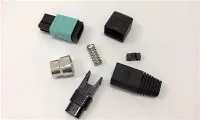
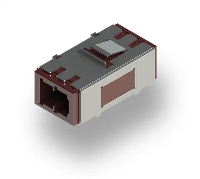
As a supplier of Fiber Optic MU Connectors, I understand the critical role these connectors play in modern communication systems. One of the most significant challenges in their operation is moisture, which can degrade performance and lead to costly system failures. In this blog, I'll share some practical strategies to enhance the moisture-proof performance of Fiber Optic MU Connectors.
Understanding the Impact of Moisture on Fiber Optic MU Connectors
Moisture can have several detrimental effects on Fiber Optic MU Connectors. Firstly, it can cause corrosion of the connector's metal components. Over time, this corrosion can weaken the physical structure of the connector, leading to loose connections and signal loss. Secondly, water droplets or condensation inside the connector can act as a medium for light scattering. When light signals pass through the connector, the scattered light results in increased attenuation, which means the signal strength decreases significantly. This can lead to poor data transmission quality, such as slow internet speeds or interrupted communication in a network.
Selecting High - Quality Materials
The choice of materials is fundamental to improving moisture - proof performance. For the outer shell of the Fiber Optic MU Connector, we should opt for materials with high water - resistance. For example, certain types of plastics, like polycarbonate, are known for their excellent moisture - barrier properties. Polycarbonate is not only resistant to water but also has good mechanical strength, which can protect the internal components of the connector from physical damage.
In addition to the outer shell, the internal components also need to be carefully selected. The ferrule, which holds the fiber in place, should be made of a material that is impervious to moisture. Zirconia ferrules are a popular choice in the industry. They have a very low porosity, which means that water molecules are less likely to penetrate the material. This helps to maintain the stability of the fiber within the connector and reduces the risk of signal degradation caused by moisture.
Improving Sealing Design
A well - designed sealing mechanism is crucial for preventing moisture from entering the Fiber Optic MU Connector. One effective approach is to use O - rings. O - rings are circular rubber seals that can be placed at the interface between different parts of the connector, such as where the connector body meets the adapter. These O - rings create a tight seal that blocks the entry of water and other contaminants.
Another aspect of sealing design is the use of gaskets. Gaskets can be installed around the cable entry point of the connector. They fill the gaps between the cable and the connector, preventing moisture from seeping in along the cable. When designing the gaskets, we need to ensure that they are made of a material that is both flexible and resistant to water. Silicone gaskets are often used because they can conform to the shape of the cable and the connector, providing an effective moisture barrier.


Applying Protective Coatings
Protective coatings can provide an additional layer of defense against moisture. There are several types of coatings that can be applied to the Fiber Optic MU Connector. One option is a hydrophobic coating. Hydrophobic coatings repel water, causing water droplets to bead up and roll off the surface of the connector. This reduces the amount of time that water is in contact with the connector, minimizing the risk of corrosion and other moisture - related issues.
Another type of coating is a moisture - absorbing coating. These coatings contain materials that can absorb water vapor from the surrounding environment. By reducing the humidity inside the connector, these coatings help to prevent condensation from forming on the internal components. Some moisture - absorbing coatings are made of silica gel or other desiccant materials.
Environmental Protection and Installation Considerations
The environment in which the Fiber Optic MU Connector is installed also plays a significant role in its moisture - proof performance. If the connector is installed in an outdoor environment, it should be protected by a suitable enclosure. Enclosures can be made of materials like stainless steel or fiberglass, which are resistant to water and other environmental factors.
During the installation process, it is important to ensure that the connector is properly installed. For example, the connector should be tightened to the correct torque. If the connector is not tightened enough, there may be gaps that allow moisture to enter. On the other hand, over - tightening can damage the connector or the sealing components, also compromising the moisture - proof performance.
Related Products
If you are interested in other types of fiber optic connectors, we also offer Fiber Optic Fast Connector Sc, Fiber Optic E2000 Connector, and Fiber Optic St Connecters. These connectors also have their own unique features and applications, and we can provide customized solutions according to your specific needs.
Conclusion
Improving the moisture - proof performance of Fiber Optic MU Connectors requires a comprehensive approach, including the selection of high - quality materials, the design of effective sealing mechanisms, the application of protective coatings, and proper environmental protection and installation. By implementing these strategies, we can ensure that our Fiber Optic MU Connectors provide reliable performance even in harsh, moist environments.
If you are in need of high - quality Fiber Optic MU Connectors or other fiber optic products, please feel free to contact us for procurement and negotiation. We are committed to providing you with the best products and services to meet your communication needs.
References
- "Fiber Optic Connector Handbook" - A comprehensive guide on fiber optic connector technology, including information on materials, design, and performance.
- Industry research reports on fiber optic components, which provide the latest trends and developments in moisture - proof technologies for connectors.