Hey there! As a supplier of Fiber Optic SC Patch Cords, I often get asked about the difference between pre - terminated and field - terminated Fiber Optic SC Patch Cords. So, I thought I'd write this blog to clear up any confusion.
Let's start with pre - terminated Fiber Optic SC Patch Cords. These cords come ready to use right out of the box. They're manufactured in a factory environment, where the connectors are precisely attached to the fiber optic cables. This means that the quality control is top - notch. The factory has all the fancy equipment and skilled technicians to ensure that the connectors are perfectly aligned with the fiber, minimizing signal loss.
One of the biggest advantages of pre - terminated cords is the time - saving factor. You don't have to spend hours on - site trying to terminate the fibers. You just plug them in, and you're good to go. They're also really reliable. Since they're made in a controlled environment, there's less chance of human error during the termination process. For example, if you're setting up a data center, using pre - terminated Fiber Optic SC Patch Cords can significantly reduce the installation time, allowing you to get the network up and running faster.
However, pre - terminated cords do have some drawbacks. They can be a bit more expensive than field - terminated ones. This is because of the cost of manufacturing and the high - level quality control. Also, if you need a custom length or a special configuration, it might take some time to get the pre - terminated cords made. You can't just whip up a custom - length cord on the spot.
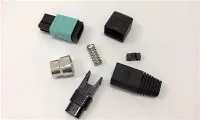
Now, let's talk about field - terminated Fiber Optic SC Patch Cords. These cords are terminated on - site. You start with a length of fiber optic cable and then attach the connectors using termination kits. This gives you a lot of flexibility. If you suddenly realize you need a longer or shorter cord, you can easily make one right there. It's also a great option if you're on a tight budget. Field - terminated cords usually cost less because you're doing the work yourself, and you're not paying for the factory - manufactured termination.

Another benefit of field - terminated cords is that you can learn a lot about fiber optics in the process. You get hands - on experience with the termination techniques, which can be really useful if you work in the fiber optic industry. You can also make repairs on - the - fly. If a cord gets damaged, you can quickly terminate a new connector and get it back in service.
But field - terminated cords aren't without their problems. The quality can be inconsistent. If you're not experienced in terminating fiber optics, you might end up with a poor - quality connection. Signal loss can be higher compared to pre - terminated cords. There are also more steps involved in the termination process, which means there are more opportunities for mistakes. For instance, if the fiber isn't cleaned properly before termination, it can lead to a bad connection.
In terms of applications, pre - terminated Fiber Optic SC Patch Cords are great for large - scale projects where time is of the essence, like data centers and telecommunications networks. They ensure a high - quality, reliable connection right from the start. On the other hand, field - terminated cords are better suited for smaller projects or situations where you need a lot of flexibility, like in a small office or a home network.
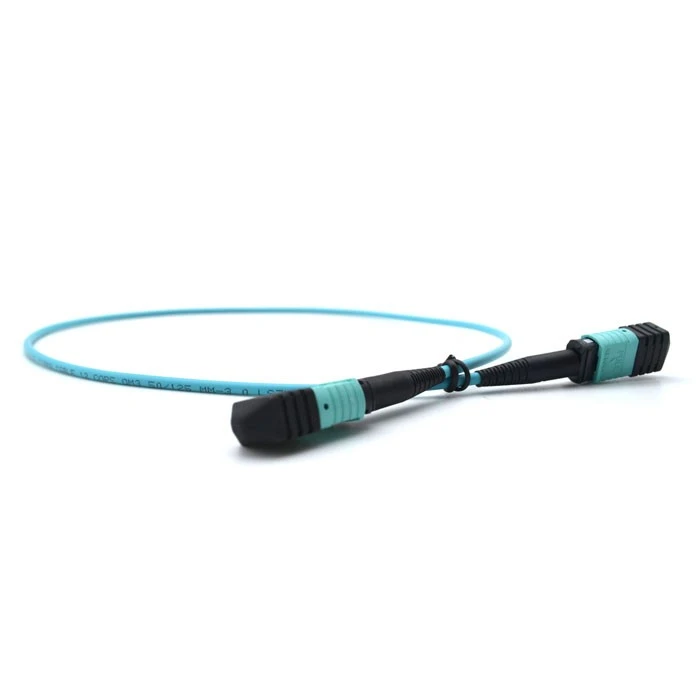
If you're interested in checking out some other fiber optic products, we also offer Mpo/mpo - om3 - 12f - 3.0mm - lszh - 1m, Fiber Optic Mu Patchcord, and Fiber Optic Patchcord E2000 Apc. These products have their own unique features and can be a great addition to your fiber optic setup.
So, whether you're looking for pre - terminated or field - terminated Fiber Optic SC Patch Cords, we've got you covered. We understand that every project is different, and we can help you choose the right type of patch cord for your needs. If you're interested in purchasing our products or have any questions, don't hesitate to reach out. We're here to make sure you get the best fiber optic solutions for your project.
References:
- Fiber Optic Association Handbook
- Industry reports on fiber optic cable technology