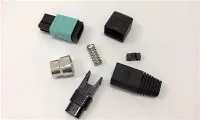
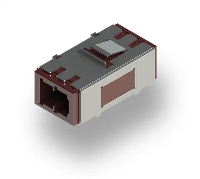
Hey there! As a supplier of Fiber Optic MU Patchcords, I've seen firsthand how crucial it is to understand what factors can affect their lifespan. In this blog, I'm gonna break down the key elements that can either make your Fiber Optic Mu Patchcord last for ages or cut its life short.
1. Environmental Conditions
The environment where your Fiber Optic MU Patchcord is installed plays a huge role in its longevity.
Temperature
Temperature extremes are really bad news for these patchcords. High temperatures can cause the jacket material of the cable to expand. This expansion can put stress on the fiber inside, leading to micro - bends. These micro - bends might seem small, but they can significantly increase signal loss. On the flip side, low temperatures can make the cable jacket and other materials brittle. If the patchcord is moved or flexed when it's cold, it could crack, and once the fiber is exposed, it's highly vulnerable to damage.
A study by the Fiber Optics Association found that for every 10 - degree Celsius increase in temperature above the recommended range, the degradation rate of fiber optic cables can double. So, it's essential to keep your patchcords in an environment with a stable temperature.
Humidity
Moisture is another enemy of Fiber Optic MU Patchcords. High humidity levels can cause water to seep into the cable. Water can corrode the metal components in the connectors, and it can also cause the fiber to weaken over time. In extreme cases, water can freeze inside the cable if the temperature drops, which can cause the cable to break apart.
Moreover, humid conditions can promote the growth of mold and mildew. These organisms can damage the cable jacket and even penetrate the fiber, leading to loss of signal quality and shortening the patchcord's lifespan.
Dust and Contaminants
Dust and other contaminants in the air can settle on the connectors of the Fiber Optic MU Patchcord. When you connect and disconnect the patchcord, these contaminants can scratch the delicate fiber surface, causing signal loss. Over time, more and more contaminants can accumulate, gradually degrading the performance of the patchcord until it eventually fails.
In industrial environments, there may be additional contaminants like oil, grease, or chemicals. These substances can be even more damaging to the patchcord as they can dissolve or react with the cable materials, leading to a much shorter lifespan.
2. Installation and Handling
How you install and handle your Fiber Optic MU Patchcord is also super important.
Bending Radius
Every Fiber Optic MU Patchcord has a specified minimum bending radius. If you bend the cable beyond this radius, it can cause micro - bends or even macro - bends in the fiber. Micro - bends are tiny deformations that can cause light to leak out of the fiber, increasing signal loss. Macro - bends are more obvious and can completely break the fiber if the bend is too severe.
During installation, it's crucial to follow the manufacturer's guidelines on bending radius. For example, if you're routing the patchcord around corners or through tight spaces, make sure to use proper cable management techniques to avoid excessive bending.
Tension
Applying too much tension to the patchcord during installation can also be a problem. Tension can stretch the fiber, which can cause it to break or develop micro - fractures. These fractures can lead to signal loss and a shorter lifespan.
When pulling the patchcord, use the right tools and techniques to ensure that the tension is within the acceptable range. You might need to use a pulling grip specifically designed for fiber optic cables to distribute the force evenly along the cable.
Handling
Rough handling of the patchcord can cause physical damage. Things like dropping the cable, stepping on it, or yanking on the connectors can all lead to problems. The connectors are particularly delicate, and any damage to them can cause poor connections and signal loss.
It's important to handle the patchcord gently at all times. When disconnecting and reconnecting the patchcord, make sure to hold the connector properly and avoid applying excessive force.
3. Quality of Materials
The quality of the materials used in the Fiber Optic MU Patchcord is a fundamental factor in determining its lifespan.
Fiber Quality
The fiber itself is the heart of the patchcord. High - quality fiber is more resistant to bending, stretching, and environmental factors. Cheaper fibers may have more impurities or irregularities, which can lead to higher signal loss over time.
A good quality fiber will have precise dimensions and a consistent refractive index, which helps to maintain the integrity of the light signal passing through it. When you're purchasing a Fiber Optic MU Patchcord, look for ones that use high - quality fiber from reputable manufacturers.
Jacket Material
The jacket material protects the fiber from physical damage and environmental factors. A durable jacket made of high - quality materials like polyethylene or polyvinyl chloride (PVC) can provide better protection against moisture, abrasion, and impact.
The jacket should also be flexible enough to allow for easy installation and routing of the patchcord. If the jacket is too rigid, it can make it difficult to handle the patchcord, and it may be more prone to cracking when bent.
Connector Quality
The connectors are where the patchcord interfaces with other components in the fiber optic system. High - quality connectors are precisely manufactured to ensure a proper fit and low signal loss. They are also more resistant to corrosion and wear.
Poor - quality connectors may not make a good connection, which can lead to signal fluctuations and increased bit error rates. Over time, they may also degrade more quickly, requiring more frequent replacements.
4. Usage Frequency
How often you use your Fiber Optic MU Patchcord can also affect its lifespan.
Plugging and Unplugging
Each time you plug or unplug the patchcord, there is a small amount of wear on the connectors. Over time, this wear can cause the connectors to become loose or damaged. If the connectors are not making a proper connection, it can lead to signal loss and other performance issues.
If you need to frequently connect and disconnect the patchcord, consider using connectors that are designed for high - cycle applications. These connectors are more durable and can withstand more plugging and unplugging cycles without significant degradation.
Continuous Operation
In some applications, the Fiber Optic MU Patchcord may be in continuous operation. Continuous operation can cause the cable to heat up slightly, which can accelerate the degradation of the materials over time.
It's important to monitor the temperature of the patchcord during continuous operation and make sure it stays within the recommended range. If necessary, you may need to provide additional cooling to extend the lifespan of the patchcord.
5. Compatibility with Other Components
The Fiber Optic MU Patchcord needs to be compatible with other components in the fiber optic system.
Connector Compatibility
The connectors on the patchcord need to be compatible with the connectors on the other devices in the system. If the connectors don't match properly, it can cause poor connections, signal loss, and damage to the connectors.


For example, using a Fiber Optic Lc Fc Patch Cable OM3 Duplex with incompatible connectors can result in a loose fit, which can lead to signal fluctuations. Make sure to check the connector types and ensure they are compatible before making a connection.
Cable Type Compatibility
The type of fiber optic cable used in the patchcord should also be compatible with the rest of the system. Different cable types have different characteristics, such as bandwidth, attenuation, and dispersion. Using an incompatible cable type can result in poor performance and a shorter lifespan for the patchcord.
For instance, if your system requires a high - bandwidth cable and you use a low - bandwidth Fiber Optic St Jumper Leads, it may not be able to handle the data traffic, leading to increased signal loss and potential failure.
Why Choose Our Fiber Optic MU Patchcords?
We take pride in offering high - quality Fiber Optic MU Patchcords that are designed to withstand various environmental conditions and usage scenarios. Our patchcords are made from the best materials, carefully selected to ensure long - term performance and reliability.
Whether you need a patchcord for a small office network or a large - scale data center, our products can meet your requirements. We also provide professional installation and technical support to help you get the most out of your investment.
If you're looking to upgrade your network or need to replace some old patchcords, don't hesitate to reach out to us. We're more than happy to discuss your specific needs and provide you with the best solution. Contact us today to start a conversation about your fiber optic patchcord needs!
References
- Fiber Optics Association. "Temperature Effects on Fiber Optic Cables." 20XX.
- Industry reports on fiber optic cable materials and performance.