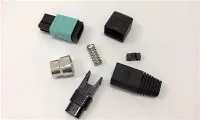
Vibration is a common environmental factor that can have a significant impact on the performance of various optical components, including Fiber Optic SC Pigtails. As a supplier of Fiber Optic SC Pigtails, I have witnessed firsthand how vibration can affect the reliability and efficiency of these crucial components in different applications. In this blog, I will delve into the ways in which vibration influences the performance of Fiber Optic SC Pigtails and discuss some strategies to mitigate these effects.
Understanding Fiber Optic SC Pigtails
Before we explore the impact of vibration, it's essential to understand what Fiber Optic SC Pigtails are. These are short, single - fiber cables with an SC connector at one end and a bare fiber at the other. They are widely used in fiber optic networks for splicing, termination, and connection to other fiber optic devices. SC connectors are known for their push - pull design, which provides a quick and easy connection, making them popular in data centers, telecommunications networks, and other high - speed communication applications.
How Vibration Affects Fiber Optic SC Pigtails
Mechanical Stress and Micro - bending
One of the primary ways vibration affects Fiber Optic SC Pigtails is by inducing mechanical stress. When a pigtail is subjected to vibration, the repeated movement can cause the fiber inside to bend slightly. These micro - bends may seem insignificant, but they can have a profound impact on the transmission of light through the fiber.
Light travels through the core of the fiber optic cable in a process called total internal reflection. Micro - bends disrupt this process by causing some of the light to leak out of the core. This results in signal loss, which is measured in decibels (dB). Even a small amount of signal loss can degrade the performance of the entire fiber optic network, leading to slower data transfer rates, increased error rates, and reduced reliability.
Connector Loosening
Vibration can also cause the SC connector of the pigtail to loosen over time. The push - pull design of the SC connector is generally secure, but continuous vibration can gradually loosen the connection. A loose connector can introduce additional signal loss due to poor physical contact between the connector and the mating device. Moreover, it can also allow dust, dirt, and moisture to enter the connection, further degrading the performance of the pigtail.
In addition, a loose connector can cause intermittent connections. This means that the signal may be strong at times and weak at others, leading to inconsistent performance. In a data center environment, for example, intermittent connections can cause data transfer errors, system crashes, and other operational issues.
Fatigue and Breakage
Over an extended period, the repeated stress caused by vibration can lead to fatigue in the fiber optic cable. Fatigue can cause the fiber to weaken, making it more susceptible to breakage. A broken fiber means a complete loss of signal, which can be a major problem in critical applications such as emergency communication systems or financial trading networks.
Real - World Examples
To illustrate the impact of vibration on Fiber Optic SC Pigtails, let's consider a few real - world scenarios. In a manufacturing plant, where heavy machinery generates constant vibration, Fiber Optic SC Pigtails used in the plant's communication network may experience significant signal degradation over time. Workers may notice slower data transfer speeds when accessing the plant's central database, or they may encounter errors when trying to transmit real - time production data.
In a transportation system, such as a high - speed train, the vibration generated during movement can affect the Fiber Optic SC Pigtails used in the train's on - board communication and control systems. This can lead to issues with the train's navigation, safety systems, and passenger information displays.
Mitigating the Effects of Vibration
Proper Installation
Proper installation is crucial to minimizing the impact of vibration on Fiber Optic SC Pigtails. When installing the pigtails, it's important to ensure that they are securely fastened and routed in a way that minimizes the risk of bending or stress. Using cable ties, clips, and other mounting hardware can help keep the pigtails in place and reduce the effects of vibration.
Vibration - Resistant Design
Some manufacturers offer Fiber Optic SC Pigtails with vibration - resistant designs. These pigtails may have additional protective layers or reinforcement to reduce the impact of mechanical stress. For example, a pigtail with a ruggedized outer jacket can provide better protection against micro - bending and physical damage caused by vibration.
Regular Inspection and Maintenance
Regular inspection and maintenance are essential to ensure the long - term performance of Fiber Optic SC Pigtails in a vibrating environment. Inspections should include checking for loose connectors, signs of micro - bending, and any visible damage to the cable. If any issues are detected, the pigtail should be replaced or repaired immediately.
Strategies for Different Environments
High - Vibration Industrial Environments
In high - vibration industrial environments, such as factories or mines, it's advisable to use Fiber Optic SC Pigtails with enhanced mechanical protection. Additionally, installing vibration - damping mounts or enclosures can help reduce the amount of vibration that reaches the pigtails. Regularly scheduled maintenance and inspections are also critical in these environments to catch any issues before they cause significant problems.
Transportation Environments
In transportation environments, such as trains, airplanes, or ships, the pigtails should be installed in a way that accounts for the movement and vibration of the vehicle. Using flexible cable management systems can help absorb some of the vibration and prevent excessive stress on the pigtails. Moreover, the connectors should be inspected and tightened regularly to ensure a secure connection.
Conclusion
Vibration can have a significant impact on the performance of Fiber Optic SC Pigtails, leading to signal loss, connector loosening, fatigue, and breakage. As a supplier of Fiber Optic SC Pigtails, I understand the importance of providing high - quality products that can withstand the challenges of different environments. By understanding how vibration affects these pigtails and implementing appropriate mitigation strategies, we can ensure the reliable operation of fiber optic networks in various applications.
If you are in need of high - quality Fiber Optic SC Pigtails or have any questions about their performance in vibrating environments, please feel free to contact us for more information. We also offer a wide range of other fiber optic products, such as Fiber Optic Fc Pigtail, Fiber Optic Pigtail Fc Apc 12 Colors, and Fiber Optic Pigtail Lc Upc Om3 12 Colors. Our team of experts is ready to assist you in finding the right solutions for your specific needs.
References
- Ghatak, A. K., & Thyagarajan, K. (1998). Introduction to Fiber Optics. Cambridge University Press.
- Senior, J. M. (1992). Optical Fiber Communications: Principles and Practice. Prentice Hall.
- ITU - T G.652. (2016). Characteristics of a single - mode optical fibre cable. International Telecommunication Union.