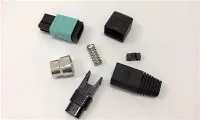
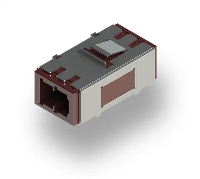
As a supplier of Fiber Optic ST Couplers, I've witnessed firsthand the dynamic nature of the market and the numerous factors that can influence the price of these essential components. In this blog post, I'll delve into the key elements that affect the cost of Fiber Optic ST Couplers, providing insights that can help both buyers and industry enthusiasts understand the pricing dynamics.
Quality of Materials
One of the most significant factors influencing the price of a Fiber Optic ST Coupler is the quality of the materials used in its construction. High - quality materials are essential for ensuring reliable performance and long - term durability.
For instance, the ferrule, which is a critical part of the coupler, can be made from different materials such as ceramic, plastic, or metal. Ceramic ferrules are known for their excellent dimensional stability and low insertion loss. They provide a precise alignment of the optical fibers, which is crucial for maintaining high - quality signal transmission. However, the production process of ceramic ferrules is complex and costly, which directly impacts the price of the coupler. On the other hand, plastic ferrules are more affordable but may not offer the same level of performance and durability as ceramic ones.


The body of the coupler is another area where material quality matters. Couplers with a robust metal body can better withstand harsh environmental conditions, including temperature variations, humidity, and mechanical stress. Metal - bodied couplers are generally more expensive than those with a plastic body due to the higher cost of materials and manufacturing processes.
Manufacturing Process
The manufacturing process of Fiber Optic ST Couplers also plays a vital role in determining their price. Precision manufacturing is required to ensure that the couplers meet the strict standards for optical performance.
Advanced manufacturing techniques, such as injection molding for plastic parts and precision machining for metal components, can increase the cost of production. These processes require specialized equipment and skilled labor, which contribute to the overall price of the coupler.
Quality control is an integral part of the manufacturing process. Couplers must undergo rigorous testing to ensure that they meet the required specifications for insertion loss, return loss, and other performance parameters. The cost of testing equipment, personnel, and the time spent on quality control all add to the final price of the product.
Brand and Reputation
The brand and reputation of the supplier can have a significant impact on the price of Fiber Optic ST Couplers. Well - established brands with a long history of providing high - quality products often command a premium price.
These brands invest heavily in research and development to improve their products' performance and reliability. They also have strict quality control measures in place, which gives customers confidence in the product's quality. For example, a well - known brand may offer a longer warranty period, which reflects the confidence they have in their product.
In contrast, lesser - known brands or generic products may be priced lower. While these products may offer similar functionality, customers may be more hesitant to purchase them due to concerns about quality and after - sales support.
Market Demand and Supply
The basic economic principle of supply and demand also affects the price of Fiber Optic ST Couplers. When the demand for these couplers is high, and the supply is limited, prices tend to rise.
The growth of the telecommunications industry, data centers, and other sectors that rely on fiber optic technology has increased the demand for Fiber Optic ST Couplers. As more companies invest in fiber optic networks, the need for high - quality couplers has grown. At the same time, disruptions in the supply chain, such as shortages of raw materials or production delays, can limit the supply of couplers, leading to price increases.
Conversely, when the market is saturated with couplers, and the demand is low, prices may decrease as suppliers compete for customers.
Technological Advancements
Technological advancements in the field of fiber optics can also influence the price of Fiber Optic ST Couplers. New technologies can lead to the development of more advanced and efficient couplers.
For example, the introduction of new materials or manufacturing processes can result in couplers with lower insertion loss and higher return loss, which improves the overall performance of the fiber optic network. These advanced couplers may be priced higher due to the research and development costs associated with their creation.
On the other hand, as technology matures, the cost of production may decrease, leading to more affordable couplers. For instance, as the production techniques for ceramic ferrules become more efficient over time, the price of couplers with ceramic ferrules may gradually decline.
Compatibility and Standards
Fiber Optic ST Couplers need to be compatible with different types of fiber optic cables and other network components. Couplers that are designed to meet multiple standards or are compatible with a wide range of cables may be more expensive.
Meeting international standards such as ISO, IEC, and TIA/EIA requires additional testing and certification, which adds to the cost of production. For example, a coupler that is certified to meet the strict requirements of a particular industry standard may be priced higher than a non - certified one.
Environmental Requirements
In some applications, Fiber Optic ST Couplers need to operate in harsh environmental conditions. Couplers that are designed to be resistant to dust, water, and extreme temperatures are more expensive.
These couplers often require special coatings or seals to protect them from environmental factors. The additional materials and manufacturing processes needed to make the couplers environmentally resistant increase their cost.
Related Products and Their Impact
The prices of related fiber optic products can also have an impact on the price of Fiber Optic ST Couplers. For example, the cost of Optical Fiber Adaptor Mtp / Mpo Adapter and Fiber Optic Lc Adapters can influence the market dynamics. If the prices of these related products increase due to factors such as raw material shortages or increased demand, it may lead to an overall increase in the prices of all fiber optic components, including ST Couplers.
Similarly, products like Mtp®/mpo - 8/12/24 Black Fiber Optic Adapter/coupler with Flange, Key Up To Down can set a price benchmark in the market. If these advanced adapters are priced at a premium, it may affect the perceived value of other fiber optic couplers, including ST Couplers.
In conclusion, the price of a Fiber Optic ST Coupler is influenced by a multitude of factors, including the quality of materials, manufacturing processes, brand reputation, market demand and supply, technological advancements, compatibility and standards, environmental requirements, and the prices of related products. As a supplier, we strive to offer high - quality couplers at competitive prices. If you are in the market for Fiber Optic ST Couplers or have any questions about our products, we encourage you to contact us for a detailed discussion and to explore potential purchasing opportunities.
References
- "Fiber Optic Communication Systems" by Govind P. Agrawal
- Industry reports on fiber optic component pricing trends
- Technical specifications and standards from ISO, IEC, and TIA/EIA