Hey there! As a supplier of Fiber Optic FC Connectors, I've seen my fair share of challenges when it comes to installation, especially in confined spaces. In this blog, I'm gonna share some of the common issues we face and how to tackle them.
Understanding the Fiber Optic FC Connector
First off, let's quickly go over what a Fiber Optic FC Connector is. It's a type of fiber optic connector that uses a threaded coupling mechanism, which provides a secure and stable connection. These connectors are widely used in telecommunications, data centers, and other high - speed network applications. They're known for their low insertion loss and high return loss, which means they can transmit data over long distances with minimal signal degradation.
The Challenges of Installing in Confined Spaces
Limited Access
One of the biggest challenges when installing a Fiber Optic FC Connector in a confined space is limited access. You might be working in a tight rack, a small cabinet, or even behind some equipment. This makes it difficult to maneuver your tools and properly position the connector. For example, when you're trying to thread the connector onto the adapter, you need enough space to turn the wrench or use your fingers. In a confined space, it's easy to make a mistake and cross - thread the connector, which can damage both the connector and the adapter.
Visibility Issues
Poor visibility is another major problem. In a cramped area, it can be hard to see what you're doing. You need to be able to clearly see the fiber end face, the connector body, and the adapter to ensure a proper connection. If you can't see well, you might not notice dirt or damage on the fiber end face, which can lead to high insertion loss and signal problems. Also, when aligning the connector with the adapter, you need to have a clear view to make sure they're properly lined up.
Cable Management
Cable management becomes a real headache in confined spaces. You have to deal with multiple fiber optic cables, and they need to be neatly arranged to avoid kinking or bending. Kinked or bent cables can cause signal loss and even break the fibers. In a small space, it's easy for the cables to get tangled up, and you might not have enough room to straighten them out. This can also make it difficult to access other connectors or components in the future.
Environmental Factors
Confined spaces often have less ventilation, which can lead to higher temperatures. High temperatures can affect the performance of the fiber optic connectors. The epoxy used in some connectors can soften at high temperatures, which can cause the connector to come loose or the fiber to move. Also, dust and debris can accumulate more easily in a confined space, and if they get onto the fiber end face, they can cause problems with the connection.
Solutions to the Installation Challenges
Use the Right Tools
Investing in the right tools can make a big difference. For example, there are special small - sized wrenches and screwdrivers designed for working in tight spaces. These tools allow you to reach the connector and adapter without having to move too much. There are also fiber inspection microscopes with flexible probes that can be used to inspect the fiber end face in hard - to - reach areas.


Improve Visibility
To improve visibility, you can use a flashlight or a headlamp. Some fiber optic inspection tools also come with built - in lights. Another option is to use a fiber optic test kit with a remote display. This allows you to see the test results and the fiber end face on a separate screen, which can be placed in a more visible location.
Proper Cable Management
Plan your cable management in advance. Use cable ties, clips, and organizers to keep the cables neat and organized. You can also use pre - terminated cables, which are already cut to the right length and have connectors installed. This reduces the amount of cable handling and makes it easier to manage the cables in a confined space.
Environmental Control
If possible, try to improve the ventilation in the confined space. You can use a small fan to circulate the air and keep the temperature down. To prevent dust and debris from getting onto the fiber end face, use dust caps on the connectors when they're not in use. You can also clean the area regularly to keep it free of dirt.
Related Products
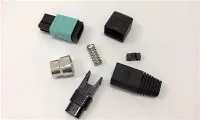
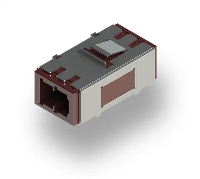
When dealing with installation challenges in confined spaces, some of our related products can be quite helpful. For instance, our Ferrule Field Assembly Connector Fast/quick Connector is designed for quick and easy installation. It can save you time and effort, especially in a tight space. Our Fiber Optic Mu Connector is also a great option. It's smaller in size compared to some other connectors, which can be an advantage in confined spaces. And if you're looking for a fast - connecting solution, our Fiber Optic Fast Connector Sc Apc can be a good choice.
Conclusion
Installing Fiber Optic FC Connectors in confined spaces is definitely a challenge, but with the right approach and tools, it can be done successfully. By being aware of the potential problems and taking steps to solve them, you can ensure a reliable and high - performance fiber optic connection. If you're facing any of these installation challenges or are interested in our products, feel free to reach out to us for more information and to discuss your specific needs. We're here to help you find the best solutions for your fiber optic installation projects.
References
- "Fiber Optic Connector Installation Guide", Industry Standard Publication
- "Best Practices for Cable Management in Confined Spaces", Telecommunications Journal
- "Impact of Environmental Factors on Fiber Optic Connectors", Fiber Optic Research Report