Hey there! As a supplier of fiber optic connectors, I've seen firsthand how crucial it is to understand OTDR (Optical Time Domain Reflectometer) test results. In this blog, I'll break down how to interpret these results, so you can make the most of your fiber optic connections.
What is an OTDR and Why is it Important?
First things first, let's talk about what an OTDR is. An OTDR is a device used to test the integrity of fiber optic cables. It sends a pulse of light into the fiber and measures the light that is reflected back. This helps us detect any issues such as breaks, bends, or high - loss connections in the fiber.
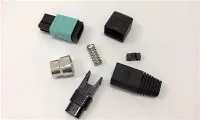
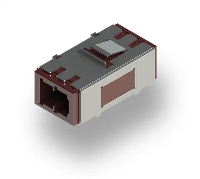
For us as a fiber optic connector supplier, OTDR tests are super important. They help us ensure that the connectors we supply are working properly. When a customer buys our Fiber Optic Fast Connector Sc Apc, Conector Ftth Fiber Optic Sc Fast Connector, or Fiber Optic Mu Connector, they expect them to perform well. OTDR tests give us the data to prove that our connectors meet the required standards.
Understanding the OTDR Trace
The OTDR test results are presented in a graph called a trace. The horizontal axis represents the distance along the fiber, and the vertical axis represents the optical power. Here are the key elements of an OTDR trace:
1. Launch and Dead Zones
At the beginning of the trace, there's a region called the launch zone. This is where the OTDR sends the initial light pulse into the fiber. Right after the launch zone, there's a dead zone. In the dead zone, the OTDR can't accurately measure the loss because of the high - intensity initial pulse. It's important to know about these zones because any issues in this area might not be accurately detected.
2. Fiber Attenuation
The slope of the trace represents the fiber attenuation. A smooth, gradually sloping line indicates a healthy fiber with a consistent loss per unit length. If the slope is steeper than normal, it could mean there's excessive loss in the fiber. This could be due to factors like poor cable installation, environmental conditions, or the quality of the fiber itself.
3. Splices and Connectors
Splices and connectors show up as dips in the trace. A small dip is normal, but if the dip is too deep, it means there's high loss at that point. For example, if you're using our fiber optic connectors, a large dip at the connector location could indicate a bad connection. Maybe the connector wasn't installed correctly, or there's dirt or damage on the connector end - face.
4. Reflectance Peaks
Reflectance peaks are sharp spikes in the trace. They occur when there's a sudden change in the refractive index, such as at the end of the fiber or at a faulty connector. High reflectance can cause signal degradation and should be minimized. For our connectors, we aim for low reflectance to ensure optimal performance.
Analyzing the Numbers
In addition to looking at the trace, the OTDR also provides numerical data. Here are some important numbers to pay attention to:
1. Total Fiber Loss
The total fiber loss is the difference in optical power between the beginning and the end of the fiber. It's calculated by subtracting the power at the end of the fiber from the power at the start. This number gives you an overall idea of how much signal is being lost in the entire fiber link.
2. Connector and Splice Loss
The OTDR can measure the loss at each connector and splice. You should compare these values with the industry standards. For example, for a good - quality fiber optic connector, the loss should be very low, usually less than 0.3 dB. If the loss at a connector is higher than this, it's a sign that something might be wrong.
3. Reflectance Value
The reflectance value is measured in dB. A lower reflectance value is better. For our fiber optic connectors, we strive to achieve a reflectance value that meets or exceeds industry requirements. High reflectance can lead to signal reflections, which can cause interference and affect the performance of the fiber optic system.


Troubleshooting Based on OTDR Results
Once you've analyzed the OTDR trace and the numbers, you can start troubleshooting any issues. Here are some common problems and their solutions:
1. High Connector Loss
If you notice high loss at a connector, the first thing to do is to check the connector end - face. It could be dirty or damaged. You can clean the end - face using a proper cleaning kit. If cleaning doesn't solve the problem, the connector might be defective, and you may need to replace it.
2. Excessive Fiber Attenuation
Excessive fiber attenuation could be due to a variety of reasons. Check the cable routing to make sure there are no sharp bends or kinks. Also, look for any signs of physical damage to the cable. If the problem persists, it could be an issue with the fiber quality, and you might need to replace the cable.
3. High Reflectance
High reflectance can be caused by a dirty or damaged connector end - face, or a poor splice. Clean the end - face and check the splice for any visible defects. If the problem still exists, you may need to re - terminate the connector or re - splice the fiber.
Using OTDR Results for Quality Control
As a fiber optic connector supplier, we use OTDR results for quality control. Before shipping our products, we test them using an OTDR to ensure they meet our quality standards. We also provide the OTDR test reports to our customers, so they can have confidence in the performance of our connectors.
For example, when a customer orders our Fiber Optic Fast Connector Sc Apc, we'll test it using an OTDR and include the test results in the package. This way, the customer can verify the quality of the connector themselves.
Conclusion
Interpreting OTDR test results is an essential skill for anyone working with fiber optic systems. By understanding the OTDR trace, analyzing the numbers, and troubleshooting based on the results, you can ensure the optimal performance of your fiber optic connections.
As a supplier of high - quality fiber optic connectors, we're committed to providing products that meet the highest standards. If you're in the market for fiber optic connectors and want to learn more about how our products perform, don't hesitate to reach out for a purchase negotiation. We're here to help you get the best fiber optic solutions for your needs.
References
- "Fiber Optic Test and Measurement Handbook"
- Industry standards for fiber optic connectors and OTDR testing.