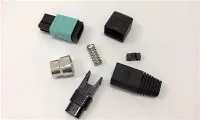
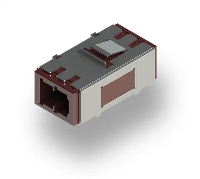
Hey there! As a supplier of fiber optic adapters, I've seen firsthand how crucial it is to understand the environmental requirements for using these nifty little devices. In this blog post, I'm gonna break down what you need to know about the environmental conditions that can affect fiber optic adapters and how to ensure they work their best.
Temperature
Temperature is one of the most significant environmental factors that can impact the performance of fiber optic adapters. These adapters are designed to operate within a specific temperature range, typically between -40°C to 85°C (-40°F to 185°F). If the temperature goes beyond this range, it can cause the adapter's materials to expand or contract, leading to misalignment between the fiber connectors. This misalignment can result in increased insertion loss, which means less light is transmitted through the fiber, and signal quality deteriorates.
For instance, in a hot data center environment where temperatures can soar, fiber optic adapters need to be able to withstand the heat without losing their performance. On the other hand, in outdoor applications during winter, the cold can also pose a challenge. That's why it's essential to choose fiber optic adapters that are rated for the temperature conditions of your specific application.
Humidity
Humidity is another factor that can't be overlooked. High humidity levels can cause moisture to accumulate inside the adapter, leading to corrosion of the metal components and degradation of the optical surfaces. This can increase insertion loss and reflection, reducing the overall efficiency of the fiber optic connection.
In areas with high humidity, such as coastal regions or basements, it's important to use fiber optic adapters that are designed to be moisture-resistant. Some adapters come with special coatings or seals to prevent moisture from getting in. Additionally, proper storage and installation practices can also help minimize the impact of humidity. For example, storing adapters in a dry environment and using desiccants in enclosures can help keep moisture at bay.
Dust and Contamination
Dust, dirt, and other contaminants can wreak havoc on fiber optic adapters. Even the tiniest particle of dust can cause significant problems by blocking the light path and increasing insertion loss. Contamination can also scratch the optical surfaces, further degrading the performance of the adapter.
In industrial environments where there's a lot of dust and debris, it's crucial to take extra precautions to protect the fiber optic adapters. Using dust caps when the adapters are not in use can prevent dust from entering. Regular cleaning and inspection of the adapters are also necessary to ensure they're free from contamination. There are special cleaning tools available, such as lint-free wipes and cleaning solutions, that can be used to clean the adapters safely.
Vibration and Shock
Vibration and shock can cause mechanical stress on fiber optic adapters, leading to misalignment and damage. In applications where there's a lot of movement, such as in transportation systems or manufacturing plants, it's important to choose adapters that are designed to be vibration and shock-resistant.
Some fiber optic adapters are built with features like ruggedized housings and secure locking mechanisms to withstand vibration and shock. These features help keep the fiber connectors in place and prevent them from moving or getting damaged. Additionally, proper installation and mounting of the adapters can also help reduce the impact of vibration and shock.
Chemical Exposure
Exposure to chemicals can also have a negative impact on fiber optic adapters. Certain chemicals, such as solvents, acids, and alkalis, can corrode the metal components and damage the optical surfaces. In industrial settings where there are chemicals present, it's important to choose adapters that are resistant to chemical exposure.
Some fiber optic adapters are made with materials that are chemically inert and can withstand exposure to a wide range of chemicals. It's also important to avoid contact between the adapters and chemicals during installation and use. If accidental exposure occurs, it's crucial to clean the adapters thoroughly as soon as possible to prevent damage.

UV Radiation
UV radiation from the sun can cause degradation of the materials used in fiber optic adapters over time. This can lead to discoloration, embrittlement, and reduced performance. In outdoor applications where the adapters are exposed to sunlight, it's important to choose adapters that are UV-resistant.
Some adapters come with special coatings or materials that can block UV radiation and protect the internal components. Additionally, using protective enclosures or covers can also help shield the adapters from direct sunlight.
Choosing the Right Fiber Optic Adapters
Now that you know about the environmental requirements for using fiber optic adapters, how do you choose the right ones for your application? Well, it all starts with understanding the specific environmental conditions of your installation. Consider factors like temperature, humidity, dust, vibration, chemical exposure, and UV radiation.
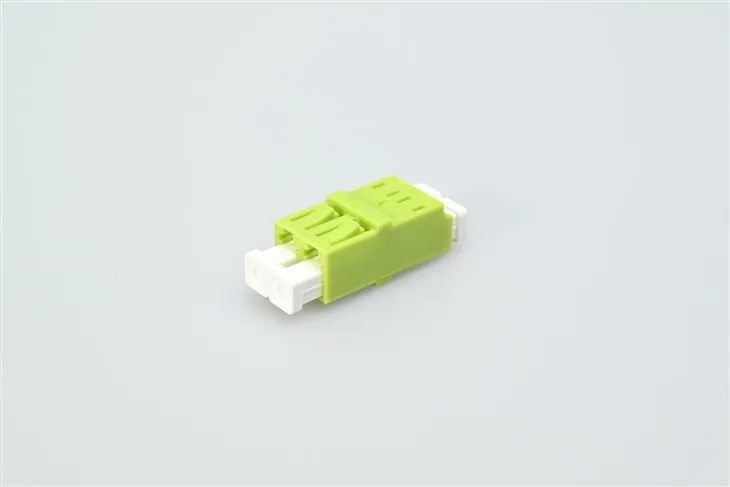
At our company, we offer a wide range of fiber optic adapters that are designed to meet the diverse environmental requirements of different applications. For example, our Factory Price Ftth Networking Lc-lc Duplex Fiber Adapter is suitable for indoor and outdoor use and can withstand a wide range of temperatures and humidity levels. Our Fiber Optic Mu Adapter is a great choice for high-density applications and is built to be durable and reliable. And our China Lc Lc Duplex Fiber Optic Adapter is known for its excellent performance and affordability.
If you're not sure which adapter is right for you, our team of experts is here to help. We can provide you with detailed information about the environmental ratings and specifications of our products and help you make an informed decision.
Conclusion
In conclusion, understanding the environmental requirements for using fiber optic adapters is crucial for ensuring their optimal performance and longevity. By considering factors like temperature, humidity, dust, vibration, chemical exposure, and UV radiation, you can choose the right adapters for your application and take the necessary steps to protect them from environmental damage.
If you're in the market for high-quality fiber optic adapters that can meet your environmental requirements, don't hesitate to get in touch with us. We're here to help you find the perfect solution for your networking needs. Whether you're a small business or a large enterprise, we have the products and expertise to support you.
References
- "Fiber Optic Technology Handbook"
- Industry standards and specifications for fiber optic adapters