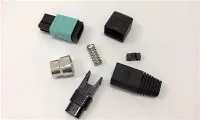
Installing a Fiber Optic FC Pigtail in an underwater environment is a complex yet crucial task, especially considering the unique challenges presented by such conditions. As a trusted supplier of Fiber Optic FC Pigtails, I understand the importance of providing clear guidance on this process to ensure a successful installation.
Understanding the Underwater Environment
Before diving into the installation process, it's essential to understand the underwater environment where the Fiber Optic FC Pigtail will be installed. Underwater conditions can vary significantly, including factors such as water depth, temperature, salinity, and the presence of marine life. These factors can have a profound impact on the performance and longevity of the fiber optic components.
Water depth affects the pressure exerted on the pigtail and other components. Higher pressures can cause mechanical stress on the fiber, potentially leading to breakage or signal loss. Temperature variations can also affect the performance of the fiber optic materials, causing expansion or contraction that may disrupt the signal transmission. Salinity can corrode the metal components of the pigtail, reducing its reliability over time. Additionally, the presence of marine life, such as barnacles or algae, can attach to the pigtail and interfere with its operation.
Pre-Installation Preparations
- Component Selection
- Choose a Fiber Optic FC Pigtail that is specifically designed for underwater use. These pigtails are typically constructed with materials that are resistant to water, corrosion, and mechanical stress. Look for pigtails with a high-quality outer jacket that provides protection against the harsh underwater environment.
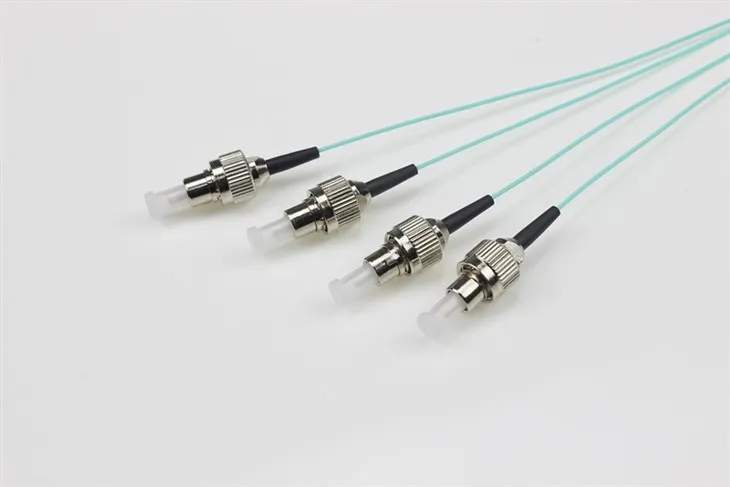
- Ensure that the pigtail has the appropriate specifications for your application, including the fiber type (single-mode or multi-mode), length, and connector type. You can find a wide range of Fiber Optic FC Pigtails on our website Fiber Optic Fc Pigtail.
- Inspection and Testing
- Before installation, carefully inspect the pigtail for any visible damage, such as cracks, scratches, or bent fibers. Check the connectors for proper alignment and cleanliness.
- Conduct a thorough testing of the pigtail using appropriate fiber optic testing equipment, such as an optical time-domain reflectometer (OTDR) or a light source and power meter. This will help ensure that the pigtail is functioning properly and meets the required performance standards.
- Site Assessment
- Conduct a detailed assessment of the installation site to identify any potential hazards or challenges. Consider factors such as water depth, visibility, current, and the presence of obstacles.
- Mark the installation location clearly to ensure accurate placement of the pigtail. Use appropriate markers, such as buoys or underwater signs, to indicate the position of the pigtail.
Installation Process
- Cable Routing
- Plan the cable routing carefully to minimize the risk of damage to the pigtail. Avoid sharp bends or kinks in the cable, as these can cause signal loss or breakage.
- Use appropriate cable management techniques, such as cable ties or clamps, to secure the pigtail in place and prevent it from moving or being damaged by underwater currents.
- Connector Installation
- Clean the connectors of the pigtail and the mating components thoroughly using a lint-free cloth and a suitable cleaning solution. This will help ensure a good connection and minimize signal loss.
- Align the connectors carefully and insert them into the mating components. Use the appropriate tools, such as a torque wrench, to tighten the connectors to the recommended torque value.
- Sealing and Protection
- Apply a suitable sealant or potting compound to the connectors and cable joints to prevent water ingress. This will help protect the components from corrosion and ensure the long-term reliability of the installation.
- Use protective covers or enclosures to shield the pigtail and connectors from physical damage and the effects of the underwater environment.
- Testing and Verification
- After installation, conduct a final testing of the pigtail to ensure that it is functioning properly. Use the same testing equipment as in the pre-installation phase to verify the signal strength and quality.
- Compare the test results with the pre-installation values to ensure that there are no significant changes or degradation in performance.
Post-Installation Maintenance
- Regular Inspections
- Schedule regular inspections of the installed pigtail to check for any signs of damage or wear. Inspect the connectors, cable, and protective covers for any visible defects.
- Look for signs of corrosion, water ingress, or mechanical stress, and take appropriate action if any issues are detected.
- Cleaning and Maintenance
- Clean the pigtail and connectors regularly using a suitable cleaning solution and a lint-free cloth. This will help remove any dirt, debris, or marine growth that may accumulate on the components.
- Check the sealant and potting compound for any signs of deterioration and reapply as necessary to maintain the integrity of the installation.
- Record Keeping
- Keep detailed records of the installation, testing, and maintenance activities for the pigtail. This will help track the performance of the component over time and identify any trends or issues that may require attention.
Advantages of Our Fiber Optic FC Pigtails
As a leading supplier of Fiber Optic FC Pigtails, we offer several advantages that make our products the ideal choice for underwater installations:
- High-Quality Materials
- Our pigtails are constructed using high-quality materials that are specifically designed for underwater use. These materials provide excellent resistance to water, corrosion, and mechanical stress, ensuring the long-term reliability of the installation.
- Precision Manufacturing
- We use advanced manufacturing techniques to ensure the precision and quality of our pigtails. Our connectors are carefully aligned and polished to provide low insertion loss and high return loss, resulting in excellent signal transmission performance.
- Customization Options
- We offer a wide range of customization options to meet the specific requirements of our customers. Whether you need a specific fiber type, length, or connector type, we can provide a customized solution that meets your needs.
- Technical Support
- Our team of experienced technical experts is available to provide you with comprehensive technical support and assistance. We can help you with product selection, installation guidance, and troubleshooting to ensure a successful installation.
Conclusion
Installing a Fiber Optic FC Pigtail in an underwater environment requires careful planning, preparation, and execution. By following the guidelines outlined in this blog post and using high-quality components from a trusted supplier, you can ensure a successful installation and long-term performance of your fiber optic system.
If you are interested in purchasing Fiber Optic FC Pigtails or other fiber optic products, please visit our website Fiber Optic Fc Pigtail or contact us to discuss your specific requirements. We look forward to working with you to meet your fiber optic needs.

References
- Fiber Optic Association (FOA). "Fiber Optic Installation and Maintenance Best Practices."
- International Electrotechnical Commission (IEC). "IEC 61754-1: Fibre optic connector interfaces - Part 1: General and guidance."
- Telecommunications Industry Association (TIA). "TIA-568.3-D: Commercial Building Telecommunications Cabling Standard - Fiber Optic Cabling Components."