Hey there! As a supplier of Fiber Optic E2000 Pigtails, I've been getting a lot of questions lately about the domestic standards for these nifty little cables. So, I thought I'd sit down and write a blog post to clear things up.
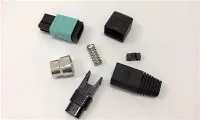
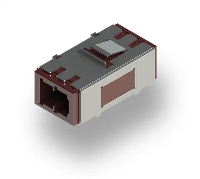
First off, let's talk about what a Fiber Optic E2000 Pigtail is. If you're new to the world of fiber optics, a pigtail is basically a short length of fiber optic cable with a connector on one end. The E2000 connector is a type of single - mode or multi - mode fiber optic connector known for its high - performance and dust - protection features. It's widely used in telecommunications, data centers, and other industries where reliable fiber optic connections are crucial.
Domestic Standards Overview
In most countries, there are several domestic standards that Fiber Optic E2000 Pigtails need to meet. These standards cover a wide range of aspects, from the physical dimensions of the pigtail to its optical performance.
Physical Dimensions
The physical size and shape of the E2000 connector and the pigtail cable are strictly regulated. The outer diameter of the cable, the length of the pigtail, and the size of the connector housing all have to fall within a specific range. For example, the length of a standard Fiber Optic E2000 Pigtail can vary, but common lengths are 1m, 2m, and 3m. This standardization ensures that the pigtails can be easily integrated into existing fiber optic systems without any compatibility issues.
Optical Performance
Optical performance is where things get really important. The domestic standards set limits on parameters like insertion loss and return loss. Insertion loss refers to the amount of light that is lost when the pigtail is connected to another fiber optic component. Lower insertion loss means that more light can pass through the connection, resulting in a stronger and more reliable signal. Generally, the insertion loss for a high - quality Fiber Optic E2000 Pigtail should be less than 0.3dB.


Return loss, on the other hand, measures the amount of light that is reflected back towards the source. High return loss is desirable because it indicates that there is less reflection, which can cause signal interference. A good Fiber Optic E2000 Pigtail should have a return loss of at least 50dB.
Environmental Resistance
Fiber Optic E2000 Pigtails also need to be able to withstand different environmental conditions. Domestic standards often require pigtails to be tested for their resistance to temperature, humidity, and mechanical stress. For example, they should be able to operate within a temperature range of - 20°C to 60°C without significant degradation in performance. This is especially important for outdoor applications or in industrial settings where the cables may be exposed to harsh conditions.
Why These Standards Matter
You might be wondering, "Why do these standards even matter? Can't I just use any pigtail that looks okay?" Well, using pigtails that don't meet the domestic standards can lead to a whole host of problems.
First of all, non - compliant pigtails can cause signal degradation. If the insertion loss is too high or the return loss is too low, the signal strength will be weak, and data transmission may be unreliable. This can result in slow internet speeds, dropped calls, or even complete system failures in critical applications.
Secondly, using non - standard pigtails can void the warranties of other fiber optic components in the system. Many manufacturers will only honor their warranties if all the components in the system meet the relevant standards. So, if you use a non - compliant pigtail and something goes wrong with another part of the system, you may be left on your own to foot the bill for repairs.
Our Commitment as a Supplier
As a supplier of Fiber Optic E2000 Pigtails, we take these domestic standards very seriously. All of our pigtails are manufactured in accordance with the strictest domestic and international standards. We use high - quality materials and state - of - the - art manufacturing processes to ensure that our products meet or exceed the required performance criteria.
We also have a rigorous quality control system in place. Every single pigtail is tested before it leaves our factory to make sure that it meets the optical performance standards. We test for insertion loss, return loss, and other key parameters to ensure that our customers receive only the best - quality products.
Comparison with Other Pigtails
It's worth comparing Fiber Optic E2000 Pigtails with other types of pigtails, like Fiber Optic SC Pigtail and Fiber Optic ST Pigtails.
The SC connector is a popular choice in many applications because it's simple and easy to use. It has a push - pull locking mechanism, which makes it quick to connect and disconnect. However, the E2000 connector offers better dust protection. The shutter on the E2000 connector closes automatically when it's not connected, preventing dust and debris from getting into the connector and affecting the optical performance.
The ST connector, on the other hand, uses a bayonet - style locking mechanism. It's been around for a long time and is still widely used in some legacy systems. But compared to the E2000 connector, it may have slightly higher insertion loss and lower return loss.
How to Choose the Right Pigtail
When choosing a Fiber Optic E2000 Pigtail, there are a few things you should consider. First, make sure that the pigtail meets the domestic standards for your region. You can ask the supplier for test reports or certifications to verify this.
Secondly, think about the application. If you're using the pigtail in a high - dust environment, the dust - protection features of the E2000 connector will be very important. If you need a quick - connect and disconnect solution, you might also want to consider the ease of use of the connector.
Finally, don't forget about the price. While it's important to get a high - quality pigtail, you also want to make sure that you're getting a good deal. Compare prices from different suppliers, but remember that the cheapest option may not always be the best in terms of quality and performance.
Contact Us for Your Fiber Optic Needs
If you're in the market for high - quality Fiber Optic E2000 Pigtail, look no further. We're here to help you find the perfect pigtail for your specific needs. Whether you're a small business looking to upgrade your network or a large telecommunications company in need of bulk orders, we've got you covered.
Feel free to reach out to us to discuss your requirements. We can provide you with detailed product information, samples, and competitive quotes. Let's work together to ensure that your fiber optic system runs smoothly and efficiently.
References
- International Electrotechnical Commission (IEC) standards on fiber optic connectors.
- Telecommunications Industry Association (TIA) standards for fiber optic systems.