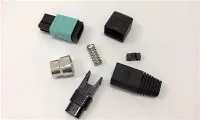
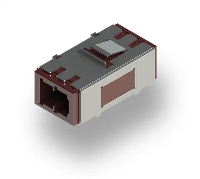
Submarine cable systems play a crucial role in global communication, facilitating high - speed data transfer across continents. Fiber optic technology has been at the heart of these systems, providing high - bandwidth and long - distance transmission capabilities. Among the various components in a fiber optic network, the Fiber Optic ST Coupler is an important element. As a supplier of Fiber Optic ST Couplers, I have witnessed both the benefits and challenges associated with using these couplers in submarine cable systems.
Environmental Challenges
One of the most significant challenges of using Fiber Optic ST Couplers in submarine cable systems is the harsh underwater environment. Submarine cables are typically laid at great depths, where they are exposed to high pressures, low temperatures, and corrosive seawater. High - pressure conditions can cause physical deformation of the coupler. The mechanical structure of the Fiber Optic ST Coupler may be compressed, which can lead to misalignment of the fiber cores. Even a slight misalignment can result in increased insertion loss, reducing the efficiency of signal transmission.
Low temperatures in the deep sea can also affect the performance of the coupler. The materials used in the coupler may become more brittle, increasing the risk of cracking or breakage. Moreover, the coefficient of thermal expansion of different materials within the coupler can vary, leading to internal stresses as the temperature changes. These stresses can cause the coupler to degrade over time, resulting in signal loss or even complete failure.
Corrosive seawater is another major threat. The salt and other chemicals in seawater can corrode the metal parts of the Fiber Optic ST Coupler. The corrosion can damage the electrical contacts and mechanical components, leading to poor connection quality and potential signal interruption. To address these environmental challenges, the couplers need to be designed with high - quality, corrosion - resistant materials. For example, using stainless steel or special alloys for the outer shell can help protect the internal components from corrosion. Additionally, the couplers should be properly sealed to prevent seawater ingress.
Installation and Maintenance Challenges
Installing Fiber Optic ST Couplers in submarine cable systems is a complex and challenging task. Submarine cable installation often involves specialized vessels and equipment. The installation process requires precise alignment of the couplers to ensure proper fiber connection. Any misalignment during installation can lead to significant signal loss. The installation team needs to have a high level of expertise and experience to handle the delicate fiber optic components.
Maintenance of these couplers in the underwater environment is also extremely difficult. Once the submarine cable is laid, accessing the couplers for inspection or repair is a costly and time - consuming process. It may require the use of remotely operated vehicles (ROVs) or even manned submersibles. The harsh underwater conditions make it challenging to perform maintenance tasks effectively. For example, visibility is limited, and the strong ocean currents can make it difficult to stabilize the maintenance equipment.
To mitigate these installation and maintenance challenges, pre - testing of the couplers on the surface is essential. This can help identify any potential issues before the cable is laid. Additionally, the couplers can be designed with features that make them more resistant to misalignment during installation, such as self - aligning mechanisms.
Signal Integrity Challenges
Maintaining signal integrity is a critical challenge in submarine cable systems. The Fiber Optic ST Coupler can introduce various types of signal losses. Insertion loss occurs when the light signal passes through the coupler. This loss can be caused by factors such as misalignment of the fiber cores, dirt or debris on the fiber end - faces, or imperfections in the coupler's optical components.
Return loss is another important factor. It refers to the amount of light that is reflected back towards the source. High return loss can cause signal distortion and interference, degrading the overall performance of the system. To minimize signal losses, the couplers need to be manufactured with high precision. The fiber end - faces should be polished to a high standard to reduce reflection and ensure efficient light transmission.
In addition to losses, the couplers can also introduce signal dispersion. Dispersion causes the different wavelengths of light in a signal to travel at different speeds, leading to spreading of the signal over time. This can result in inter - symbol interference, which degrades the quality of the transmitted data. Advanced optical design techniques and materials can be used to reduce dispersion in the Fiber Optic ST Coupler.
Compatibility Challenges
Submarine cable systems often consist of a complex network of different fiber optic components. Ensuring compatibility between the Fiber Optic ST Coupler and other components is crucial. Different manufacturers may use slightly different standards and specifications for their fiber optic products. For example, the size, shape, and optical properties of the fiber connectors may vary. If the coupler is not compatible with other components in the system, it can lead to poor connection quality and signal loss.
Compatibility also extends to the optical characteristics of the coupler. The coupler needs to be designed to work with the specific type of fiber optic cable used in the submarine system. Different types of fibers, such as single - mode and multi - mode fibers, have different optical properties. The coupler should be optimized for the type of fiber to ensure efficient signal transmission.


Cost Challenges
The cost of using Fiber Optic ST Couplers in submarine cable systems is a significant consideration. Developing couplers that can withstand the harsh underwater environment requires the use of high - quality materials and advanced manufacturing processes. These factors drive up the production cost of the couplers. Additionally, the cost of installation and maintenance in the underwater environment is extremely high.
The need for specialized equipment and highly skilled personnel further increases the overall cost. To make the use of Fiber Optic ST Couplers more cost - effective, suppliers need to focus on improving manufacturing efficiency. This can involve using advanced automation techniques to reduce labor costs and increase production speed.
Conclusion
Despite the numerous challenges, Fiber Optic ST Couplers remain an important component in submarine cable systems. As a supplier, we are constantly working to overcome these challenges. We invest in research and development to improve the design and performance of our couplers. For example, we are exploring new materials that are more resistant to corrosion and temperature changes. We are also developing advanced manufacturing processes to ensure higher precision and better compatibility with other components.
If you are in the market for high - quality Fiber Optic ST Couplers or other related products such as Fiber Optic Fc Adaptor and Factory Price Ftth Networking Lc - lc Duplex Fiber Adapter, please visit our website Fiber Optic St Coupler to learn more about our products. We are ready to discuss your specific requirements and provide tailored solutions for your submarine cable system needs.
References
- Jeunhomme, L. B. (1990). Single - mode fiber optics. Marcel Dekker.
- Senior, J. M. (1992). Optical fiber communications: principles and practice. Prentice Hall.
- Ghatak, A. K., & Thyagarajan, K. (1998). An introduction to fiber optics. Cambridge University Press.