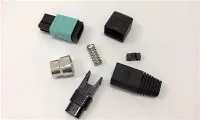
Hey there! As a supplier of Fiber Optic LC Pigtails, I've seen firsthand how important it is to store these little guys properly. If you mess up the storage, you can end up with damaged pigtails, which means lost money and a whole lot of headaches. So, in this blog post, I'm gonna share some tips on how to store Fiber Optic LC Pigtails like a pro.

Why Proper Storage Matters
Before we dive into the how - to, let's talk about why proper storage is such a big deal. Fiber Optic LC Pigtails are super sensitive. The fiber inside is extremely thin, and even the tiniest bit of dust, moisture, or physical damage can mess with its performance. A damaged pigtail can lead to signal loss, which is a no - no in any fiber optic network. Whether you're using them in a data center, a telecommunications network, or a home setup, you want your pigtails to work flawlessly.
Ideal Storage Conditions
Temperature and Humidity
The first thing to consider is the environment where you'll be storing your pigtails. Temperature and humidity play a huge role. You want to keep the storage area at a stable temperature, ideally between 10°C and 35°C (50°F and 95°F). Extreme temperatures can cause the fiber to expand or contract, which can lead to breaks or signal degradation.
Humidity is also crucial. High humidity can cause moisture to build up on the fiber, which can corrode the connectors and damage the fiber itself. Aim for a relative humidity level between 20% and 80%. You might need to use a dehumidifier or a humidifier to keep the humidity in check, depending on where you're located.
Cleanliness
Another key factor is cleanliness. Dust and dirt are the enemies of fiber optic components. Make sure the storage area is clean and free of debris. You can use air filters in the storage room to keep the air clean. Also, avoid storing the pigtails in areas where there's a lot of foot traffic or where construction work is going on, as these places tend to have more dust.
Storage Containers
Protective Cases
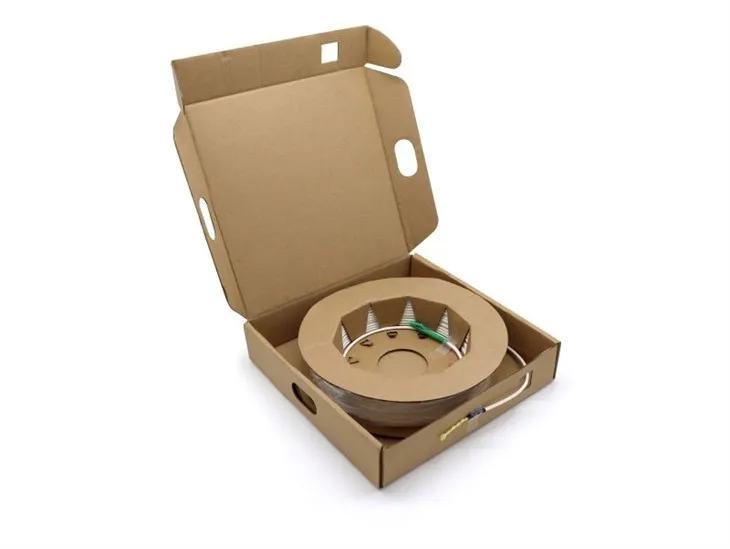
Invest in good - quality protective cases for your Fiber Optic LC Pigtails. These cases should be made of a material that can protect the pigtails from physical damage, such as hard plastic or foam - lined boxes. The cases should also be sealed to keep out dust and moisture.
When you're putting the pigtails in the case, make sure they're not bent or twisted too tightly. You want to keep them in a natural, relaxed position. Some cases come with compartments or holders to keep the pigtails organized and prevent them from rubbing against each other.
Connector Caps
Don't forget about the connector caps! These little caps are essential for protecting the connectors from dust and scratches. Always keep the caps on the connectors when the pigtails are in storage. If the caps get lost or damaged, replace them immediately.
Storage Location
Shelving
Use proper shelving to store your pigtail cases. The shelves should be sturdy and level. Avoid overloading the shelves, as this can cause the cases to tip over or get damaged. You can label the shelves to make it easier to find the pigtails you need.
Avoiding Pressure Points
Make sure the pigtails aren't being pressed against anything hard or sharp. Pressure points can cause the fiber to break or the connectors to get misaligned. If you're stacking the cases, make sure there's enough space between them to prevent any unnecessary pressure.
Handling During Storage
Gentle Handling
When you're moving the pigtails in and out of storage, handle them gently. Don't yank on the cables or drop the cases. Even a small impact can cause damage to the fiber.
Regular Inspections
It's a good idea to do regular inspections of your stored pigtails. Check for any signs of damage, such as cracks in the connectors or frayed cables. If you notice any problems, take the pigtail out of storage and replace it or repair it as soon as possible.
Comparing with Other Pigtail Types
While we're on the topic of fiber optic pigtails, it's worth mentioning some other types like the Fiber Optic E2000 Pigtail and Fiber Optic St Pigtails. Each type has its own unique features, but the basic storage principles remain the same. They all need a clean, stable environment to stay in top condition.
The Lc Simplex Fiber Patch Cord is also related. It's often used in conjunction with LC pigtails, and proper storage of these cords is just as important to ensure a smooth - running fiber optic system.
Conclusion and Call to Action
Proper storage of Fiber Optic LC Pigtails is essential for maintaining their performance and longevity. By following these tips, you can ensure that your pigtails are always ready to go when you need them.
If you're in the market for high - quality Fiber Optic LC Pigtails or have any questions about storage or usage, don't hesitate to reach out. We're here to help you make the most of your fiber optic components. Whether you're a small business or a large enterprise, we've got the products and expertise to meet your needs. Let's start a conversation and see how we can work together!
References
- "Fiber Optic Installation and Maintenance Handbook"
- Industry best practices from fiber optic component manufacturers