Storing a Fiber Optic SC Pigtail properly is crucial to maintain its performance and longevity. As a supplier of Fiber Optic SC Pigtails, I understand the significance of correct storage methods. In this blog, I'll share some valuable insights on how to store these delicate components effectively.
Understanding the Fiber Optic SC Pigtail
Before delving into storage methods, it's essential to understand what a Fiber Optic SC Pigtail is. An SC pigtail consists of a single fiber optic cable with an SC connector on one end and a bare fiber on the other. These pigtails are widely used in fiber optic networks for splicing, terminating, and connecting various devices. Their performance can be easily affected by environmental factors, mechanical stress, and contamination.
Ideal Storage Conditions
Temperature and Humidity
Fiber optic cables are sensitive to temperature and humidity changes. High temperatures can cause the cable jacket to expand, potentially leading to micro - bends in the fiber, which can increase signal loss. On the other hand, low temperatures can make the cable more brittle and prone to breakage.
The ideal temperature range for storing Fiber Optic SC Pigtails is between 0°C and 40°C (32°F and 104°F). Humidity levels should be maintained between 20% and 80%. To achieve these conditions, it's advisable to store pigtails in a climate - controlled environment, such as a dedicated storage room with a temperature and humidity control system.
Light Exposure
Exposure to direct sunlight or intense artificial light can degrade the fiber optic cable over time. Ultraviolet (UV) light, in particular, can break down the polymer materials in the cable jacket and the buffer coating, reducing the cable's mechanical strength and optical performance.
Therefore, pigtails should be stored in a dark or low - light environment. If possible, use opaque storage containers or cabinets to protect them from light.
Protection from Physical Damage
Packaging
When the pigtails are received from the manufacturer, they usually come in protective packaging. It's best to keep them in this original packaging until they are ready to be used. The original packaging is designed to provide cushioning and protection against minor impacts and vibrations during transportation and storage.
If the original packaging is not available, you can use alternative protective packaging materials, such as foam - lined boxes or plastic tubes. These materials can absorb shocks and prevent the pigtails from being bent or crushed.
Avoiding Bending and Twisting
Fiber optic cables have a minimum bend radius, which is the smallest radius to which the cable can be bent without causing significant signal loss or damage. For SC pigtails, the typical minimum bend radius is around 10 times the cable diameter.
When storing pigtails, make sure they are not bent or twisted beyond this minimum bend radius. Avoid coiling the pigtails too tightly, as this can also cause micro - bends. Instead, use a loose coiling method with a large enough diameter to ensure the cable remains within the safe bend radius.
Contamination Prevention
Dust and Particles
Dust and other small particles can accumulate on the SC connectors and the fiber end - faces, causing signal attenuation and connection problems. To prevent contamination, pigtails should be stored in a clean environment.
A cleanroom or a dust - free storage cabinet is ideal. If these options are not available, you can use sealed plastic bags or containers to store the pigtails. Additionally, always keep the protective caps on the SC connectors when the pigtails are not in use. These caps prevent dust and debris from entering the connectors.
Chemical Exposure
Fiber optic cables can be damaged by exposure to certain chemicals, such as solvents, acids, and alkalis. Avoid storing pigtails near areas where these chemicals are used or stored. If there is a risk of chemical exposure, use chemical - resistant storage containers.
Storage Organization
Labeling
Proper labeling is essential for efficient storage and retrieval of Fiber Optic SC Pigtails. Each pigtail or storage container should be labeled with information such as the cable length, fiber type (single - mode or multi - mode), and connector type. This makes it easier to find the right pigtail when needed and helps prevent confusion.
Inventory Management
Maintaining an accurate inventory of the stored pigtails is crucial. Use an inventory management system to track the quantity, location, and usage history of each pigtail. This helps ensure that you have enough stock on hand and can identify any expired or damaged pigtails.
Comparison with Other Pigtail Types
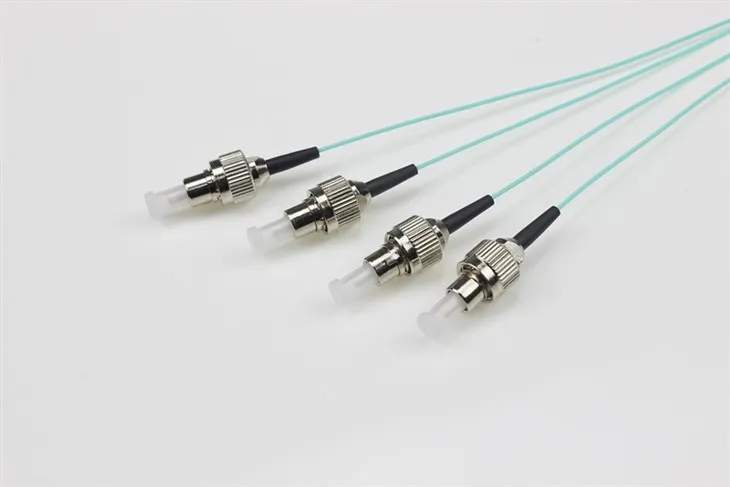
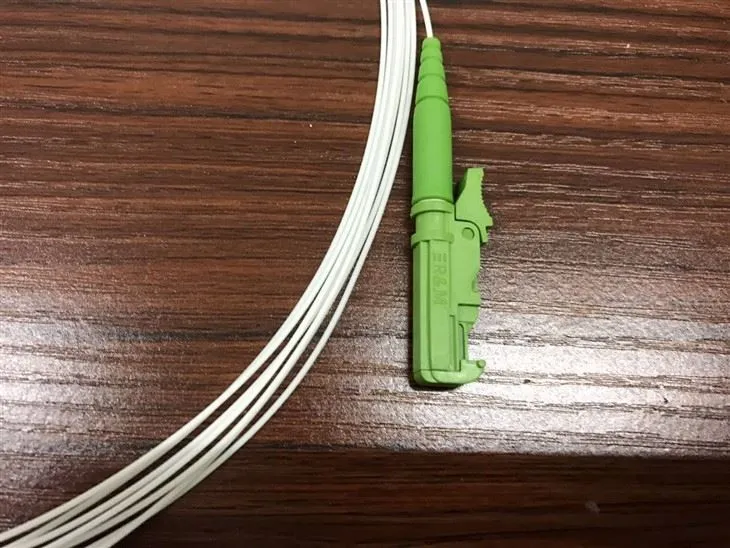
While the basic storage principles apply to all fiber optic pigtails, there are some differences in the specific requirements for different connector types. For example, Fiber Optic Fc Pigtail has a screw - type connector, which may require a different approach to prevent the connector from loosening during storage. Fiber Optic E2000 Pigtail has a unique shutter mechanism that needs to be protected to prevent damage. And Fiber Optic Lc Pigtails are smaller in size and may require more careful handling to avoid misplacement.
Conclusion
Proper storage of Fiber Optic SC Pigtails is essential for maintaining their quality and performance. By following the guidelines on temperature and humidity control, protection from physical damage, contamination prevention, and proper organization, you can ensure that your pigtails remain in good condition for a long time.
If you are in need of high - quality Fiber Optic SC Pigtails or have any questions about their storage and usage, feel free to contact us for more information and to discuss your procurement needs. Our team of experts is always ready to assist you.
References
- "Fiber Optic Cabling Installation and Maintenance Guide", Industry Standard Publication
- "Best Practices for Fiber Optic Component Storage", Fiber Optics Association White Paper