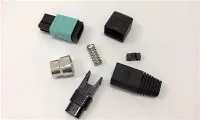
Hey there! As a supplier of Fiber Optic MPO Patchcords, I've seen my fair share of these nifty cables getting damaged. It's a real bummer, especially when they're crucial for high - speed data transmission in all sorts of applications, from data centers to telecommunications. So, I thought I'd share some tips on how to protect these patchcords from damage.
1. Proper Handling
First off, let's talk about handling. You'd be surprised how many patchcord issues start with improper handling. When you're picking up an MPO patchcord, always grab it by the cable jacket, not the connectors. The connectors are super delicate, and any rough handling can cause scratches or misalignments.
Think about it like this: the connectors are like the eyes of the patchcord. If you mess with them, the patchcord won't be able to "see" clearly and transmit data properly. So, when you're moving the patchcord around, make sure you're gentle. And when you're unplugging or plugging it in, do it slowly and steadily. A quick yank can damage the internal fibers or break the connector housing.
2. Storage
Storage is another key factor. You can't just throw your MPO patchcords in a corner and expect them to stay in good condition. They need to be stored in a clean, dry, and temperature - controlled environment. Extreme temperatures can cause the fibers to expand or contract, which can lead to signal loss or even breakage.
I recommend using cable reels or trays to store your patchcords. This helps keep them organized and prevents them from getting tangled. Tangled cables are not only a pain to deal with, but they can also cause stress on the fibers, which can lead to damage over time. And make sure the storage area is free from dust and debris. Dust can get into the connectors and interfere with the signal transmission.
3. Protection During Installation
Installation time is when patchcords are most vulnerable. Before you start installing, make sure the area is clean and free from any sharp objects. You don't want the patchcord to get cut or scratched during the installation process.
When routing the patchcord, avoid sharp bends. The minimum bend radius for MPO patchcords is usually specified by the manufacturer. Bending the cable beyond this radius can cause the fibers to break or the signal to degrade. It's like bending a straw too much; eventually, the liquid won't flow through it properly.
Also, use proper cable management tools. Cable ties, clips, and racks can help keep the patchcord in place and prevent it from being pulled or twisted during installation. And don't forget to label the patchcords. This makes it easier to identify them later and reduces the risk of accidental damage during maintenance.
4. Cleaning and Inspection
Regular cleaning and inspection are a must. Over time, dirt, dust, and fingerprints can accumulate on the connectors. This can cause signal loss and even permanent damage if not addressed.
You can use a specialized fiber optic cleaning kit to clean the connectors. These kits usually come with cleaning wipes and cleaning fluid. Just make sure you follow the instructions carefully. And don't use any abrasive materials, as they can scratch the connectors.
Inspect the patchcords regularly for any signs of damage, such as cuts, kinks, or loose connectors. If you notice any issues, replace the patchcord immediately. It's better to be safe than sorry, especially when it comes to maintaining a reliable network.
5. Environmental Protection
The environment where the patchcord is used can also have a big impact on its lifespan. If the patchcord is installed in an area with high humidity, you might want to use moisture - resistant patchcords. High humidity can cause corrosion on the connectors and damage the fibers.
Similarly, if the area is prone to vibrations, you need to make sure the patchcord is properly secured. Vibrations can cause the fibers to break or the connectors to loosen over time. You can use vibration - damping materials or mounts to reduce the impact of vibrations.


6. Compatibility
Using compatible equipment is crucial. Make sure the MPO patchcord is compatible with the devices it's connected to. Using an incompatible patchcord can cause signal loss, overheating, or even damage to the devices.
For example, if you're using a Ftth Drop Cable Patch Cord Sc Sc Upc Lszh, make sure it's designed to work with the specific network equipment you have. The same goes for other types of patchcords, like the Fiber Optic Patch Cord Mtp To Lc Upc 8core Om4 3.0mm or the 1 Meter Lc To Lc Uniboot Singlemode Duplex Patch Cable.
Conclusion
Protecting your Fiber Optic MPO Patchcords from damage is all about being careful and proactive. By following these tips, you can ensure that your patchcords last longer and perform better. Remember, a well - protected patchcord means a more reliable network.
If you're in the market for high - quality Fiber Optic MPO Patchcords or need more advice on how to protect them, don't hesitate to reach out. We're here to help you make the most of your fiber optic infrastructure. Let's work together to keep your network running smoothly!
References
- "Fiber Optic Installation and Maintenance Guide" by industry experts
- Manufacturer's specifications and guidelines for Fiber Optic MPO Patchcords