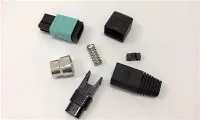
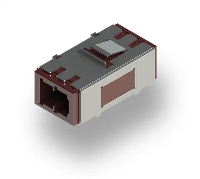
Yo, folks! As a supplier of Fiber Optic PLC Splitters, I've seen firsthand how important it is to store these little wonders properly. A PLC splitter, short for Planar Lightwave Circuit splitter, is a key component in fiber optic networks. It divides an optical signal from one fiber into multiple fibers, and trust me, storing it right can save you a whole lot of headaches down the line.
First off, let's talk about why proper storage matters. A Fiber Optic PLC Splitter is a delicate piece of equipment. It's made up of tiny, precise components that can easily get damaged if not stored correctly. Even a small scratch or bend in the fiber can lead to signal loss or even complete failure. And let's face it, nobody wants to deal with that kind of downtime in their network.
So, what are the key factors to consider when storing a Fiber Optic PLC Splitter?


Temperature and Humidity
The first thing you need to keep an eye on is the temperature and humidity of the storage environment. PLC splitters are sensitive to extreme temperatures and high humidity. Ideally, you should store them in a place where the temperature ranges between 0°C and 70°C (32°F and 158°F) and the relative humidity is between 5% and 95% non - condensing.
Why is this so important? Well, if the temperature is too high, it can cause the materials in the splitter to expand, which might lead to internal stress and damage. On the other hand, if it's too cold, the materials can contract, and the fiber might become brittle and break more easily. High humidity can also cause corrosion and mold growth, which can seriously affect the performance of the splitter.
Protection from Physical Damage
Physical damage is another big concern when it comes to storing PLC splitters. You should always store them in a protective case or container. This will help prevent them from getting bumped, dropped, or scratched. For example, if you have a 1x32 Plc Fiber Optic Splitter, make sure it's in a case that's specifically designed to hold it securely.
Also, avoid stacking heavy objects on top of the splitters. The pressure from the weight can cause the fiber to bend or break. And when you're moving the splitters around, handle them with care. Don't tug on the fibers or pull them too hard.
Avoiding Dust and Contamination
Dust and other contaminants can also have a negative impact on the performance of PLC splitters. Dust particles can get into the connectors and cause signal loss. So, it's a good idea to store the splitters in a clean environment. If possible, use a dust - free storage cabinet or room.
Before you store the splitters, make sure they're clean. You can use a special fiber optic cleaning kit to remove any dirt or debris from the connectors and fibers. And when you're handling the splitters, try to keep your hands clean to avoid transferring oils and dirt onto them.
Proper Packaging
When you're not using the PLC splitters, they should be properly packaged. Most splitters come with their own packaging when you buy them, and it's a good idea to keep them in that original packaging if possible. The original packaging is usually designed to provide the right amount of protection and support for the splitter.
If you don't have the original packaging, you can use other suitable packaging materials. For example, you can use foam padding to cushion the splitter and prevent it from moving around inside the box. And make sure the box is sealed properly to keep out dust and moisture.
Labeling and Organization
It's also important to label and organize your PLC splitters. This will make it easier for you to find the right splitter when you need it. You can label each splitter with its type, such as 1x16 Plc Fiber Splitter, Steel Tube, Bare Fiber 250µm, Sc Upc, Singlemode or 1x64 Plc Fiber Splitter, Steel Tube, Bare Fiber 250µm, Sc Apc, Singlemode, as well as its serial number and other relevant information.
You can also organize them by type or by the project they're intended for. This way, you won't have to waste time searching through a bunch of splitters to find the one you need.
Long - Term Storage
If you need to store the PLC splitters for a long time, there are a few additional things you should keep in mind. First, make sure to check on them periodically. Even if they're stored in a perfect environment, it's still a good idea to take a look at them every few months to make sure there are no signs of damage or deterioration.
You might also want to consider storing them in a nitrogen - filled container. Nitrogen is an inert gas, which means it won't react with the materials in the splitter. This can help prevent oxidation and corrosion, especially if you're storing the splitters for a very long time.
Conclusion
Storing a Fiber Optic PLC Splitter properly is crucial for maintaining its performance and longevity. By paying attention to factors like temperature, humidity, physical damage, dust, and proper packaging, you can ensure that your splitters stay in good condition.
If you're in the market for high - quality PLC splitters or have any questions about their storage or usage, don't hesitate to reach out. We're here to help you make the most of your fiber optic network. Whether you need a 1x32 Plc Fiber Optic Splitter, a 1x16 Plc Fiber Splitter, Steel Tube, Bare Fiber 250µm, Sc Upc, Singlemode, or a 1x64 Plc Fiber Splitter, Steel Tube, Bare Fiber 250µm, Sc Apc, Singlemode, we've got you covered. Let's start a conversation and see how we can work together to meet your fiber optic needs.
References
- "Fiber Optic Network Design and Installation Handbook"
- Industry standards and guidelines for fiber optic components storage