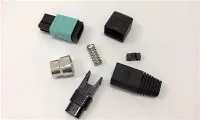
Hey there! As a supplier of Fiber Optic MPO Patchcords, I've seen my fair share of fiber breakage issues. It's a real headache, not just for us suppliers but also for our customers. Fiber breakage can lead to signal loss, network downtime, and a whole bunch of other problems. So, in this blog post, I'm gonna share some tips on how to prevent fiber breakage in a Fiber Optic MPO Patchcord.
Understanding the Causes of Fiber Breakage
Before we dive into the prevention methods, it's important to understand what causes fiber breakage in the first place. There are several factors that can contribute to this issue, including:
- Bending and Twisting: Fibers are very delicate, and excessive bending or twisting can cause them to break. This can happen during installation, when the patchcord is being routed through tight spaces or around sharp corners.
- Tension: Pulling on the patchcord with too much force can also cause the fibers to break. This can happen when the patchcord is being installed or when it's being moved around.
- Compression: Compressing the patchcord can also damage the fibers. This can happen when the patchcord is being stored or when it's being squeezed between objects.
- Environmental Factors: Exposure to extreme temperatures, humidity, and chemicals can also damage the fibers. This can happen when the patchcord is being used in harsh environments.
Prevention Methods
Now that we understand the causes of fiber breakage, let's take a look at some prevention methods.
Proper Installation
The first step in preventing fiber breakage is to ensure that the patchcord is installed properly. Here are some tips to keep in mind:
- Use the Right Tools: Make sure you have the right tools for the job, such as fiber optic cable cutters, strippers, and cleavers. Using the wrong tools can damage the fibers.
- Follow the Manufacturer's Instructions: Always follow the manufacturer's instructions when installing the patchcord. This will ensure that the patchcord is installed correctly and that the fibers are not damaged.
- Avoid Bending and Twisting: When routing the patchcord, make sure to avoid bending or twisting it too much. Use gentle curves and avoid sharp corners.
- Don't Pull Too Hard: When pulling the patchcord, make sure to use gentle force. Don't pull too hard, as this can cause the fibers to break.
Handling and Storage
Proper handling and storage of the patchcord are also important in preventing fiber breakage. Here are some tips to keep in mind:
- Handle with Care: When handling the patchcord, make sure to handle it gently. Avoid dropping it or hitting it against hard surfaces.
- Store in a Safe Place: When storing the patchcord, make sure to store it in a safe place where it won't be compressed or damaged. Use a storage container or a cable management system to keep the patchcord organized and protected.
- Avoid Exposure to Environmental Factors: Make sure to store the patchcord in a dry, cool place where it won't be exposed to extreme temperatures, humidity, or chemicals.
Quality Control
Another important step in preventing fiber breakage is to ensure that the patchcord is of high quality. Here are some tips to keep in mind:


- Choose a Reputable Supplier: Make sure to choose a reputable supplier who offers high-quality patchcords. Look for suppliers who have a good reputation and who offer a warranty on their products.
- Inspect the Patchcord: Before using the patchcord, make sure to inspect it carefully for any signs of damage. Look for cracks, cuts, or other defects in the fibers or the jacket.
- Test the Patchcord: After installing the patchcord, make sure to test it to ensure that it's working properly. Use a fiber optic tester to check the signal strength and the quality of the connection.
Additional Tips
Here are some additional tips to help prevent fiber breakage:
- Use Protective Sleeves: Consider using protective sleeves to cover the patchcord. This can help protect the fibers from damage during installation and use.
- Avoid Overcrowding: Make sure to avoid overcrowding the patchcord in the cable management system. This can cause the fibers to be compressed or damaged.
- Train Your Staff: Make sure to train your staff on how to properly handle and install fiber optic patchcords. This can help prevent fiber breakage and ensure that the network is running smoothly.
Conclusion
Preventing fiber breakage in a Fiber Optic MPO Patchcord is essential for ensuring the reliability and performance of your network. By following the tips outlined in this blog post, you can help prevent fiber breakage and ensure that your patchcords are working properly.
If you're in the market for high-quality Fiber Optic MPO Patchcords, we've got you covered. We offer a wide range of products, including the 40G QSFP+ Active Optical Cable (AOC), MPO/MPO-OM3-12F-3.0MM-LSZH-1M, and OM4 Multi-Fiber 100Gb Multimode 50/125 Fiber Optic Cable MTP/MPO To LC Breakout 12 Fiber. Our patchcords are made from high-quality materials and are designed to meet the highest standards of performance and reliability.
If you have any questions or would like to learn more about our products, please don't hesitate to contact us. We're always happy to help!
References
- "Fiber Optic Cable Installation Best Practices." Fiber Optic Association.
- "Preventing Fiber Optic Cable Damage." Corning Optical Communications.
- "Fiber Optic Cable Testing and Troubleshooting." Fluke Networks.