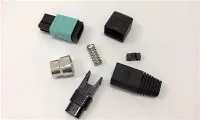
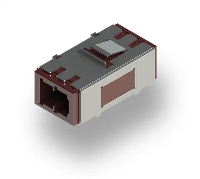
Radio Frequency Interference (RFI) can pose significant challenges to the performance of Fiber Optic ST Couplers. As a trusted supplier of Fiber Optic ST Couplers, we understand the importance of minimizing RFI effects to ensure optimal signal transmission. In this blog post, we will explore various strategies and techniques to help you minimize the RFI effect on a Fiber Optic ST Coupler.
Understanding RFI and Its Impact on Fiber Optic ST Couplers
RFI refers to the electromagnetic interference caused by radio frequency signals. These signals can disrupt the normal operation of electronic devices, including Fiber Optic ST Couplers. When RFI occurs, it can lead to signal degradation, increased bit error rates, and even complete signal loss. This can have a detrimental impact on the performance of fiber optic networks, resulting in reduced data transmission speeds and reliability.
Fiber Optic ST Couplers are commonly used in fiber optic networks to connect two fiber optic cables. They are designed to provide a secure and reliable connection, ensuring efficient signal transmission. However, RFI can interfere with the optical signals passing through the coupler, causing signal distortion and loss. Therefore, it is crucial to take appropriate measures to minimize the RFI effect on Fiber Optic ST Couplers.
Strategies to Minimize RFI Effect on Fiber Optic ST Couplers
1. Shielding
One of the most effective ways to minimize RFI is to use shielded Fiber Optic ST Couplers. Shielding helps to block external electromagnetic signals from interfering with the optical signals inside the coupler. There are different types of shielding materials available, such as metal shields and conductive polymers. Metal shields, such as aluminum or copper, provide excellent electromagnetic shielding properties. They can effectively block RFI signals and protect the optical signals from interference. Conductive polymers, on the other hand, are lightweight and flexible, making them suitable for applications where space is limited.
When choosing a shielded Fiber Optic ST Coupler, it is important to ensure that the shielding is properly grounded. Grounding helps to divert the RFI signals to the ground, preventing them from entering the coupler. Additionally, the shielding should cover the entire length of the coupler to provide maximum protection.


2. Proper Installation
Proper installation of Fiber Optic ST Couplers is essential to minimize RFI. During installation, it is important to follow the manufacturer's instructions carefully. This includes ensuring that the coupler is properly aligned and tightened. Misalignment or loose connections can create gaps in the shielding, allowing RFI signals to enter the coupler.
It is also important to avoid installing Fiber Optic ST Couplers near sources of RFI, such as power lines, motors, and radio transmitters. These sources can generate strong electromagnetic fields that can interfere with the optical signals in the coupler. If it is necessary to install the coupler near a source of RFI, appropriate shielding measures should be taken to protect the coupler.
3. Filtering
Another strategy to minimize RFI is to use filters. Filters can be used to block specific frequencies of RFI signals, allowing only the desired optical signals to pass through the coupler. There are different types of filters available, such as low-pass filters, high-pass filters, and band-pass filters.
Low-pass filters are used to block high-frequency RFI signals, allowing only low-frequency optical signals to pass through. High-pass filters, on the other hand, are used to block low-frequency RFI signals, allowing only high-frequency optical signals to pass through. Band-pass filters are used to block RFI signals outside a specific frequency range, allowing only optical signals within that range to pass through.
When choosing a filter, it is important to select one that is compatible with the Fiber Optic ST Coupler and the specific RFI frequencies that need to be blocked.
4. Cable Management
Proper cable management is also important to minimize RFI. Fiber optic cables should be routed away from sources of RFI and should not be bundled together with power cables or other sources of electromagnetic interference. Bundling fiber optic cables with power cables can create a magnetic field that can interfere with the optical signals in the cables.
It is also important to use cable trays or conduits to protect the fiber optic cables from physical damage and to prevent RFI signals from entering the cables. Cable trays and conduits can provide additional shielding and help to keep the cables organized.
Our Product Offerings
As a leading supplier of Fiber Optic ST Couplers, we offer a wide range of high-quality products that are designed to minimize RFI. Our shielded Fiber Optic ST Couplers are made from high-quality materials and are designed to provide excellent electromagnetic shielding properties. They are available in different configurations and sizes to meet the specific needs of our customers.
In addition to Fiber Optic ST Couplers, we also offer a variety of other fiber optic products, such as Factory Price Ftth Networking Lc-lc Duplex Fiber Adapter, Fiber Optic Mu Adapter, and China Lc Lc Duplex Fiber Optic Adapter. These products are also designed to provide reliable and efficient signal transmission, even in the presence of RFI.
Contact Us for Purchase and Consultation
If you are looking for high-quality Fiber Optic ST Couplers or other fiber optic products to minimize RFI, we are here to help. Our team of experts can provide you with professional advice and guidance on the best products for your specific needs. We are committed to providing our customers with the highest level of service and support.
Whether you are a network operator, an installer, or an end-user, we can help you find the right fiber optic solutions to meet your requirements. Contact us today to discuss your needs and to learn more about our products and services. We look forward to working with you to minimize the RFI effect on your fiber optic networks.
References
- "Fiber Optic Communication Systems" by Govind P. Agrawal
- "Electromagnetic Compatibility Engineering" by Henry W. Ott
- "Handbook of Fiber Optics" by Eric Snitzer