Hey there! I'm a supplier of Fiber Optic MPO Patchcords, and I often get asked if these patchcords are easy to install. Well, let's dive right into it and find out.
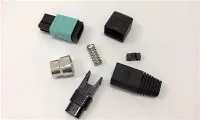
First off, what exactly is a Fiber Optic MPO Patchcord? MPO stands for Multi - Fiber Push - On. These patchcords are designed to connect multiple fiber optic cables at once. They're super useful in data centers, telecommunications networks, and other high - speed communication setups where you need to handle a large number of fiber connections efficiently.
Now, onto the big question: is it easy to install? The answer is, it can be, but it depends on a few factors.
Familiarity with Fiber Optics
If you've got some experience working with fiber optic cables in general, installing an MPO patchcord won't be too much of a stretch. You're already familiar with the basic concepts like handling the delicate fiber strands, cleaning the connectors, and making sure everything is properly aligned.
But if you're new to fiber optics, it might seem a bit daunting at first. The fibers inside an MPO patchcord are extremely thin and fragile. A single bend or kink can cause signal loss, so you need to be extra careful when handling them. However, with a bit of training and practice, you'll get the hang of it.
Connector Types
MPO patchcords come with different connector types, and this can affect the installation process. The most common ones are MPO male and MPO female connectors. Connecting these two types is relatively straightforward. You just need to align the key on the male connector with the keyway on the female connector and push them together until you hear a click. That click indicates that the connection is secure.
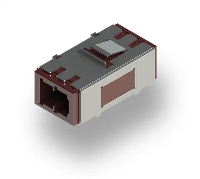
However, sometimes you might need to connect an MPO patchcord to other types of connectors, like LC or SC connectors. This is where things can get a bit more complicated. You'll need to use adapter panels or couplers to make the connection. For example, if you want to connect an MPO patchcord to an LC connector, you'll need an MPO to LC adapter panel. These panels have MPO ports on one side and LC ports on the other. You just plug the MPO patchcord into the MPO port and then use LC patchcords to connect to the devices on the other side.
Here at our supply, we offer a wide range of products to meet your needs. For instance, our Mpo - lc 12 Muti - color Tight Buffer Fiber Patch Cords 0.3m are great for short - distance connections between MPO and LC interfaces.
Environmental Conditions
The environment where you're installing the MPO patchcord also plays a role in how easy the installation is. If you're working in a clean, well - lit area, it'll be much easier to see what you're doing and handle the patchcord properly. You'll be able to clean the connectors more effectively and make sure there's no dust or debris getting in the way.
On the other hand, if you're working in a dirty, cramped space, it can be a real challenge. You might have trouble accessing the connection points, and there's a higher risk of getting dust or dirt on the connectors, which can lead to signal degradation. In such cases, you might need to take extra precautions, like using dust caps and cleaning kits.
Tools and Equipment
Having the right tools and equipment is crucial for a successful installation. You'll need a fiber optic cleaning kit to clean the connectors before and after installation. This usually includes lint - free wipes, cleaning fluid, and a fiber optic microscope to check the cleanliness of the connectors.
You'll also need a proper cable management system to keep the patchcords organized. This can prevent tangling and make it easier to troubleshoot if there are any issues later on.
If you're working with MPO patchcords that need to be terminated, you'll need a fusion splicer or a mechanical splice kit. These tools are used to join the fiber strands together. Fusion splicing provides a more permanent and reliable connection, but it requires more skill and expensive equipment. Mechanical splicing is a bit easier and cheaper, but it might not be as durable.
Advantages of Easy Installation
If the installation of MPO patchcords is relatively easy, it brings a lot of benefits. For one, it saves time. In a large - scale data center or network installation, every minute counts. If you can quickly and easily install the patchcords, you can get the network up and running faster.
It also reduces the risk of errors. When the installation process is straightforward, there's less chance of making mistakes like misaligning the connectors or damaging the fibers. This means fewer headaches down the road and less downtime for your network.


Our Product Range
As a supplier, we offer a variety of fiber optic patchcords to suit different needs. In addition to the Mpo - lc 12 Muti - color Tight Buffer Fiber Patch Cords 0.3m, we also have Sc/upc - sc/upc Ftth Drop Patch Cable which is great for fiber - to - the - home applications. And our 1 Meter Lc To Lc Uniboot Singlemode Duplex Patch Cable is perfect for short - distance connections between LC - compatible devices.
Conclusion
So, is a Fiber Optic MPO Patchcord easy to install? It can be, especially if you have the right skills, tools, and environment. While there are some challenges, especially for those new to fiber optics, with a bit of effort, you can master the installation process.
If you're in the market for fiber optic patchcords, whether it's MPO patchcords or other types, we're here to help. Our products are of high quality and come with excellent customer support. If you have any questions about installation or which product is right for you, don't hesitate to reach out. We're happy to have a chat and help you make the best decision for your network. Let's start a conversation about your procurement needs and see how we can work together to build a reliable and efficient fiber optic network.
References
- "Fiber Optic Installation Handbook" by some well - known author in the fiber optics field.
- Industry whitepapers on fiber optic patchcord installation best practices.