Managing Fiber Optic LC Pigtails in a Large - Scale Network
In the realm of modern large - scale networks, fiber optic technology has become the backbone, offering high - speed data transmission and reliability. Among the various fiber optic components, LC pigtails play a crucial role. As a supplier of Fiber Optic LC Pigtails, I have witnessed firsthand the challenges and opportunities associated with their management in large - scale networks.


Understanding Fiber Optic LC Pigtails
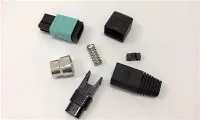
Fiber Optic LC Pigtails are short, single - fiber cables with an LC connector pre - attached at one end. They are used to connect fiber optic equipment to patch panels, distribution frames, or other fiber optic devices. The LC connector is known for its small form factor, high performance, and low insertion loss, making it a popular choice in high - density network environments.
Challenges in Managing LC Pigtails in Large - Scale Networks
- Organization and Documentation
In a large - scale network, there can be thousands of LC pigtails. Keeping track of their locations, connections, and usage is a daunting task. Without proper organization and documentation, it becomes difficult to troubleshoot network issues, perform maintenance, or plan for future expansions. - Cable Management
Proper cable management is essential to prevent signal degradation, reduce the risk of damage, and ensure easy access for maintenance. In a large - scale network, LC pigtails can quickly become tangled if not managed properly, leading to increased signal loss and potential outages. - Environmental Factors
Large - scale networks are often installed in various environments, including data centers, telecommunications closets, and industrial settings. Environmental factors such as temperature, humidity, dust, and vibration can affect the performance and lifespan of LC pigtails. Protecting them from these factors is crucial to maintain network reliability. - Compatibility and Interoperability
With the constant evolution of network technology, ensuring compatibility and interoperability between different types of LC pigtails, connectors, and network equipment is a challenge. Incompatible connections can lead to signal loss, errors, and reduced network performance.
Strategies for Managing Fiber Optic LC Pigtails in a Large - Scale Network
- Effective Documentation
Create a detailed inventory of all LC pigtails in the network, including their locations, connection points, lengths, and installation dates. Use a network management software or database to store and update this information. This will help in quickly identifying and resolving network issues, as well as planning for future upgrades. - Proper Cable Routing and Management
Use cable trays, racks, and organizers to route and manage LC pigtails. Ensure that cables are not over - bent or twisted, as this can cause signal loss. Label each cable clearly to indicate its source, destination, and function. This will make it easier to trace connections and perform maintenance. - Environmental Protection
Install LC pigtails in appropriate enclosures or cabinets to protect them from environmental factors. Use environmental monitoring systems to keep track of temperature, humidity, and other parameters. Implement proper ventilation and dust - filtering systems to maintain a clean and stable environment. - Quality Assurance and Testing
Before installing LC pigtails in the network, perform thorough quality assurance and testing. Check for proper connector termination, insertion loss, and return loss. Use optical time - domain reflectometers (OTDRs) and other testing equipment to verify the performance of the pigtails. Regularly test the network to detect and address any potential issues. - Training and Education
Provide training to network administrators and technicians on the proper handling, installation, and maintenance of LC pigtails. Ensure that they are familiar with the latest industry standards and best practices. This will help in reducing the risk of human - error - related issues and improving overall network reliability.
The Role of a Reliable Supplier
As a supplier of Fiber Optic LC Pigtails, we play a crucial role in helping our customers manage their large - scale networks effectively. We offer high - quality LC pigtails that are designed to meet the strictest industry standards. Our products are tested and certified to ensure optimal performance and reliability.
In addition to providing quality products, we also offer technical support and guidance to our customers. Our team of experts can assist with network planning, cable management, and troubleshooting. We can help customers select the right LC pigtails for their specific applications and provide recommendations on best practices for installation and maintenance.
Related Fiber Optic Pigtails
If you are also interested in other types of fiber optic pigtails, we have a wide range of options available. You can explore our Fiber Optic St Pigtails, Fiber Optic Fc Pigtail, and Fiber Optic Sc Pigtail products. These pigtails are also designed to provide high - performance and reliable connections in various network environments.
Conclusion
Managing Fiber Optic LC Pigtails in a large - scale network requires a comprehensive approach that includes proper organization, cable management, environmental protection, quality assurance, and training. As a supplier, we are committed to providing our customers with the best products and support to help them overcome these challenges. If you are looking for a reliable partner for your fiber optic pigtail needs in a large - scale network, we invite you to contact us for further discussion and procurement. We look forward to working with you to build a more efficient and reliable network.
References
- "Fiber Optic Network Design and Installation Handbook", McGraw - Hill Professional, 2019.
- "Cisco Data Center Network Fundamentals", Cisco Press, 2020.
- "Telecommunications Industry Association (TIA) Standards for Fiber Optic Cabling", TIA, 2021.