As a supplier of Fiber Optic SC Patch Cords, I've seen firsthand the importance of proper maintenance in ensuring the longevity and optimal performance of these crucial components. In this blog, I'll share some practical tips and best practices on how to maintain Fiber Optic SC Patch Cords, which can significantly extend their lifespan and minimize the risk of costly downtime.
Understanding the Basics of Fiber Optic SC Patch Cords
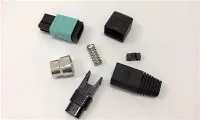
Before diving into maintenance strategies, it's essential to understand the basic structure and function of Fiber Optic SC Patch Cords. These cords are commonly used in telecommunications, data centers, and other high - speed networking applications. The SC connector, known for its push - pull design, is a popular choice due to its ease of use and reliable performance.
Each SC patch cord consists of a fiber optic core, which is usually made of glass or plastic, surrounded by a protective cladding. The entire assembly is then encased in a buffer layer and an outer jacket for further protection. Any damage to these layers can lead to signal loss or interference, affecting the overall performance of the network.
Storage Conditions
Proper storage is the first step in maintaining Fiber Optic SC Patch Cords. When not in use, they should be stored in a clean, dry, and temperature - controlled environment. Extreme temperatures and humidity can cause the materials in the patch cord to expand or contract, which may damage the fiber core or the connectors.
It's advisable to store the patch cords in a dedicated storage cabinet or rack. Avoid coiling the cords too tightly, as this can cause micro - bends in the fiber, leading to signal attenuation. If possible, use cable management tools such as cable ties or Velcro straps to keep the cords organized and prevent them from becoming tangled.
Handling Techniques
When handling Fiber Optic SC Patch Cords, it's crucial to be gentle and cautious. Avoid pulling or stretching the cords beyond their recommended limits. Excessive force can cause the fiber to break or the connectors to become loose. Always hold the cords by the outer jacket, not the connectors, as the connectors are delicate and can be easily damaged.


Before connecting or disconnecting a patch cord, make sure your hands are clean. Oils and dirt from your fingers can contaminate the connectors, leading to signal degradation. If you need to move the patch cords, use a cable tray or a duct to guide them, preventing them from rubbing against sharp edges or other rough surfaces.
Connector Cleaning
One of the most critical aspects of maintaining Fiber Optic SC Patch Cords is keeping the connectors clean. Connectors are prone to collecting dust, dirt, and oil, which can block the light transmission through the fiber. Even a small amount of contamination can cause significant signal loss.
There are several methods for cleaning SC connectors. One common approach is to use a dry cleaning method. A dry fiber optic cleaning tool, such as a lint - free cleaning stick or a cleaning tape, can be used to gently remove any loose debris from the connector end - face.
For more stubborn contaminants, a wet cleaning method may be required. Isopropyl alcohol (IPA) is a commonly used cleaning solvent. Dip a clean, lint - free swab into the IPA and then gently wipe the connector end - face. Make sure to use the correct type and concentration of IPA, as using the wrong one can damage the connector.
Inspection
Regular inspection is essential to detect any potential issues with Fiber Optic SC Patch Cords early. Use a fiber optic microscope to examine the connector end - faces for scratches, cracks, or other forms of damage. A damaged connector can cause high insertion loss and reflection, which can degrade the network performance.
Inspect the outer jacket of the patch cord for any signs of wear, such as cuts or abrasions. If the outer jacket is damaged, the inner layers of the patch cord may be exposed to the environment, increasing the risk of further damage.
When inspecting the patch cord, also check the cable bend radius. If the cable is bent too sharply, it can cause signal loss. The recommended bend radius for Fiber Optic SC Patch Cords is usually specified by the manufacturer.
Protection Against External Factors
Fiber Optic SC Patch Cords should be protected from external factors that can cause damage. In a data center or a network environment, there may be electrical equipment that generates electromagnetic interference (EMI). Keep the patch cords away from sources of EMI to prevent signal disruption.
Rodents and insects can also cause damage to patch cords. In areas where rodent or insect infestations are a concern, use protective enclosures or bundles to keep the cords safe.
In outdoor applications, the patch cords should be protected from harsh weather conditions. Use weather - resistant jacket materials and proper installation techniques to ensure the cords can withstand rain, snow, and extreme temperatures.
Compatibility and Upgrades
When adding or replacing Fiber Optic SC Patch Cords in a network, it's important to ensure compatibility. Different types of patch cords may have different specifications, such as single - mode or multi - mode fibers, and different connector types. Using incompatible patch cords can lead to signal loss and network issues.
As technology evolves, you may need to upgrade your patch cords to support higher data rates. Stay informed about the latest industry standards and technologies. For example, if you're looking for high - speed connections, you might consider 40g Qsfp+ Active Optical Cable (aoc), which can provide faster and more reliable data transmission.
Importance of Documentation
Maintaining proper documentation is crucial for the long - term management of Fiber Optic SC Patch Cords. Keep records of the installation date, location, and any maintenance activities performed on each patch cord. This documentation can help you track the history of each cord, plan for future upgrades, and troubleshoot issues more efficiently.
Conclusion
In conclusion, maintaining Fiber Optic SC Patch Cords is a multi - faceted process that involves proper storage, careful handling, regular cleaning, inspection, and protection against external factors. By following these best practices, you can ensure that your patch cords perform optimally and have a long lifespan.
If you're in the market for high - quality Fiber Optic SC Patch Cords or other related products, such as Fiber Optic Lc Lc Patch Cable Single Mode Simplex or Sc/upc - sc/upc Ftth Drop Patch Cable, we're here to provide you with the best solutions. We're always ready to discuss your needs and offer professional advice. Whether you're setting up a new network or upgrading an existing one, feel free to reach out to us for a detailed discussion.
References
- "Fiber Optic Installation and Troubleshooting Handbook", by Jeff Hecht
- Industry standards and whitepapers from leading fiber optic manufacturers and organizations.