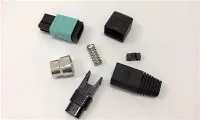
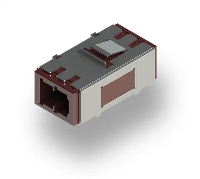
Choosing the right fiber optic FC adaptor is crucial for ensuring optimal performance and reliability in your fiber optic network. As a reputable fiber optic FC adaptor supplier, I understand the importance of making informed decisions when it comes to selecting the appropriate adaptor for your specific needs. In this blog post, I will share some key factors to consider when choosing a fiber optic FC adaptor, helping you make the best choice for your network.
Understanding the Basics of Fiber Optic FC Adaptors
Before delving into the selection process, it's essential to have a basic understanding of fiber optic FC adaptors. These adaptors are used to connect two fiber optic cables together, allowing for the transmission of data between them. The FC (Ferrule Connector) is a type of fiber optic connector that features a threaded coupling mechanism, providing a secure and stable connection.
Fiber optic FC adaptors come in various configurations, including single-mode and multi-mode options. Single-mode adaptors are designed for long-distance transmissions, while multi-mode adaptors are suitable for shorter distances. Additionally, FC adaptors can be either simplex (connecting one fiber) or duplex (connecting two fibers), depending on your network requirements.
Factors to Consider When Choosing a Fiber Optic FC Adaptor
1. Compatibility
One of the most important factors to consider when choosing a fiber optic FC adaptor is compatibility. Ensure that the adaptor is compatible with the type of fiber optic cables and connectors you are using. This includes considering factors such as the fiber mode (single-mode or multi-mode), the connector type (FC), and the cable diameter.
For example, if you are using single-mode fiber optic cables, you need to choose a single-mode FC adaptor. Similarly, if your cables have a specific connector type, make sure the adaptor can accommodate that connector. Using incompatible components can lead to signal loss, poor performance, and even damage to your equipment.
2. Insertion Loss and Return Loss
Insertion loss and return loss are two critical performance metrics to consider when evaluating fiber optic FC adaptors. Insertion loss refers to the amount of optical power lost when the light signal passes through the adaptor. A lower insertion loss indicates better performance, as it means less power is being lost during transmission.
Return loss, on the other hand, measures the amount of light that is reflected back towards the source due to imperfections in the connection. A higher return loss is desirable, as it indicates less reflection and a more efficient transmission. When choosing an FC adaptor, look for products with low insertion loss and high return loss specifications to ensure optimal performance.
3. Environmental Conditions
The environmental conditions in which the fiber optic FC adaptor will be used also play a significant role in the selection process. Consider factors such as temperature, humidity, dust, and vibration when choosing an adaptor. For harsh environments, look for adaptors that are designed to withstand extreme temperatures, moisture, and other environmental factors.
Some FC adaptors come with ruggedized or waterproof designs, making them suitable for outdoor or industrial applications. These adaptors are typically made from durable materials and feature protective coatings to prevent damage from environmental elements.
4. Quality and Reliability
The quality and reliability of the fiber optic FC adaptor are of utmost importance. Opt for adaptors from reputable manufacturers that adhere to strict quality control standards. Look for products that have been tested and certified to meet industry standards, such as ISO, TIA, and IEC.
A high-quality FC adaptor will offer consistent performance over time and require minimal maintenance. It will also be less prone to failure, reducing the risk of downtime and costly repairs in your network. Reading customer reviews and testimonials can also provide valuable insights into the quality and reliability of different adaptors.
5. Cost
While cost should not be the sole determining factor, it is still an important consideration when choosing a fiber optic FC adaptor. Compare the prices of different adaptors from various suppliers to find the best value for your money. However, be cautious of extremely low-priced products, as they may be of inferior quality and offer poor performance.
Consider the long-term costs associated with the adaptor, including installation, maintenance, and replacement costs. Investing in a high-quality adaptor may cost more upfront but can save you money in the long run by reducing the need for frequent replacements and repairs.


Other Fiber Optic Adaptor Options
In addition to fiber optic FC adaptors, there are other types of adaptors available in the market that may be suitable for your network. Here are some popular options:
- Mtp®/mpo-8/12/24 Black Fiber Optic Adapter/coupler with Flange, Key Up To Down: This type of adaptor is commonly used in high-density fiber optic networks. It allows for the connection of multiple fibers at once, providing a more efficient and space-saving solution.
- Factory Price Ftth Networking Lc-lc Duplex Fiber Adapter: LC adapters are widely used in fiber-to-the-home (FTTH) networks. They are compact and offer low insertion loss, making them ideal for high-speed data transmission.
- Fiber Optic Sc Adapter: SC adapters are another popular choice, known for their simplicity and reliability. They are commonly used in enterprise networks and data centers.
Contact for Purchasing and Quotations
If you are in the market for high-quality fiber optic FC adaptors or any other fiber optic products, I invite you to reach out to us. We offer a wide range of fiber optic solutions at competitive prices, backed by our expertise and commitment to customer satisfaction. Whether you need technical advice, product recommendations, or a customized solution for your network, our team of professionals is here to assist you.
We understand that every network is unique, and we are dedicated to helping you find the right products to meet your specific requirements. Contact us today to start the discussion and take the first step towards enhancing your fiber optic network.
References
- "Fiber Optic Connectors and Adapters Handbook" by Keith M. Jackson
- Industry standards such as ISO, TIA, and IEC for fiber optic components