Selecting a suitable Fiber Optic E2000 Adapter for a specific network is a critical decision that can significantly impact the performance and reliability of your network infrastructure. As a trusted supplier of Fiber Optic E2000 Adapters, I understand the importance of making the right choice. In this blog post, I will share some key considerations to help you choose the most appropriate adapter for your specific network needs.
Understanding the E2000 Adapter
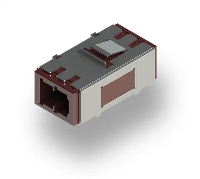
The E2000 adapter is a high - performance fiber optic connector adapter known for its excellent mechanical and optical properties. It features a push - pull latching mechanism, which provides quick and easy connection and disconnection. This design not only simplifies installation but also reduces the risk of accidental disconnection, making it ideal for high - traffic network environments.

Consider the Network Type
The first step in choosing a Fiber Optic E2000 Adapter is to understand the type of network you are working with. Different networks have different requirements in terms of data transmission speed, distance, and bandwidth.
- Local Area Networks (LANs): LANs typically require high - speed data transmission over relatively short distances. For LAN applications, you may need an E2000 adapter that supports high - bandwidth transmission, such as those capable of handling Gigabit Ethernet or 10 Gigabit Ethernet speeds.
- Wide Area Networks (WANs): WANs often involve longer transmission distances. In this case, you need an adapter that can maintain signal integrity over long - haul fiber optic cables. Look for adapters with low insertion loss and high return loss to ensure reliable data transmission over extended distances.
- Data Centers: Data centers demand high - density and high - performance network connections. E2000 adapters with a compact design and high - speed transmission capabilities are well - suited for data center applications. They can support the large - scale data transfer and storage requirements of modern data centers.
Evaluate the Optical Performance
The optical performance of a Fiber Optic E2000 Adapter is crucial for ensuring reliable data transmission. Two key parameters to consider are insertion loss and return loss.
- Insertion Loss: Insertion loss refers to the amount of optical power lost when light passes through the adapter. A lower insertion loss indicates better performance, as less power is lost during transmission. For most applications, an insertion loss of less than 0.3 dB is considered acceptable. When choosing an adapter, look for products with low insertion loss specifications to minimize signal degradation.
- Return Loss: Return loss measures the amount of light that is reflected back from the adapter. High return loss values are desirable, as they indicate less reflection and better signal integrity. A return loss of at least 50 dB is often recommended for high - performance fiber optic networks.
Compatibility with Other Components
Another important factor is the compatibility of the E2000 adapter with other components in your network. This includes the fiber optic cables, connectors, and network equipment.
- Cable Compatibility: Ensure that the adapter is compatible with the type of fiber optic cable you are using, whether it is single - mode or multi - mode fiber. Single - mode fiber is suitable for long - distance transmission, while multi - mode fiber is commonly used for short - distance applications.
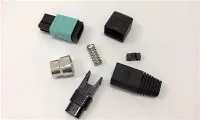
- Connector Compatibility: The E2000 adapter should be able to mate with other connectors in your network, such as LC, SC, or ST connectors. Some adapters are designed to be universal, allowing for easy integration with different types of connectors. You may also be interested in other types of fiber optic adapters, such as the Fiber Optic MTRJ Adapter, which can provide additional connection options for your network.
- Equipment Compatibility: Make sure that the adapter is compatible with your network equipment, such as switches, routers, and servers. Check the specifications of your equipment to ensure that it can support the E2000 adapter and the associated data transmission speeds.
Environmental Considerations
The operating environment of your network can also affect the performance and lifespan of the Fiber Optic E2000 Adapter. Consider the following environmental factors:
- Temperature and Humidity: Extreme temperatures and high humidity can cause damage to the adapter and affect its performance. Look for adapters that are designed to operate within a wide temperature and humidity range. Some adapters are also equipped with environmental seals to protect against moisture and dust.
- Vibration and Shock: In environments where there is a lot of vibration or shock, such as industrial settings or transportation networks, choose an adapter with a robust design that can withstand these conditions. Adapters with a secure latching mechanism and sturdy construction are more likely to maintain a stable connection.
- Chemical Exposure: If the adapter will be exposed to chemicals or corrosive substances, select a product that is resistant to chemical damage. Some adapters are coated with special materials to provide protection against chemical corrosion.
Cost - effectiveness
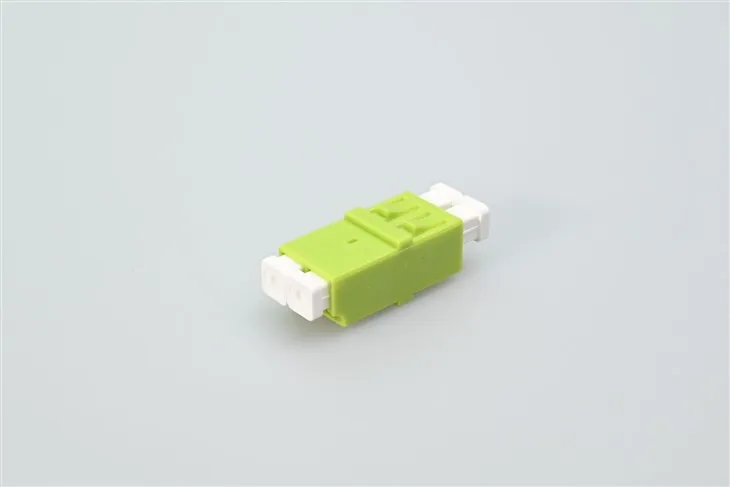
While performance is crucial, cost - effectiveness is also an important consideration. Compare the prices of different E2000 adapters from various suppliers, but don't compromise on quality for the sake of saving money. Consider the long - term costs, including maintenance, replacement, and potential downtime. A high - quality adapter may have a higher upfront cost but can save you money in the long run by reducing the need for frequent replacements and minimizing network outages. You can also explore our cost - effective options like the Factory Price Ftth Networking Lc - lc Duplex Fiber Adapter and China LC LC Duplex Fiber Optic Adapter for budget - friendly yet reliable solutions.
Supplier Reputation
Finally, choose a reputable supplier for your Fiber Optic E2000 Adapter. A reliable supplier will offer high - quality products, provide technical support, and stand behind their products with warranties. Look for suppliers with a proven track record in the fiber optic industry and positive customer reviews. As a well - established supplier of fiber optic products, we are committed to providing our customers with the best quality E2000 adapters and comprehensive after - sales service.
Conclusion
Choosing a suitable Fiber Optic E2000 Adapter for a specific network requires careful consideration of various factors, including network type, optical performance, compatibility, environmental conditions, cost - effectiveness, and supplier reputation. By taking these factors into account, you can make an informed decision and select an adapter that meets the needs of your network. If you have any questions or need further assistance in choosing the right E2000 adapter for your network, please feel free to contact us. We are here to help you make the best choice for your network infrastructure.
References
- "Fiber Optic Communication Systems" by Govind P. Agrawal
- "Optical Fiber Technology: Principles and Applications" by R. Ramaswami, K. N. Sivarajan, and G. Sasaki